Churn Rate: What is it & Why Does it Matter?

In the fast-moving world of SaaS, growth isn't just about gaining new customers—it's just as much about keeping the ones you already have. That's why understanding and managing your churn rate is crucial. Let's break down what churn rate is, why it matters, and how you can keep it in check to ensure your startup thrives.
What is Churn Rate?
Simply put, churn rate is the percentage of customers who stop using your product or service over a given period. In the SaaS world, this often means customers canceling their subscriptions or choosing not to renew when their term ends.
How to Calculate Churn Rate
The formula for churn rate is straightforward:
Churn Rate = (Customers Lost / Total Customers at Start of Period) × 100
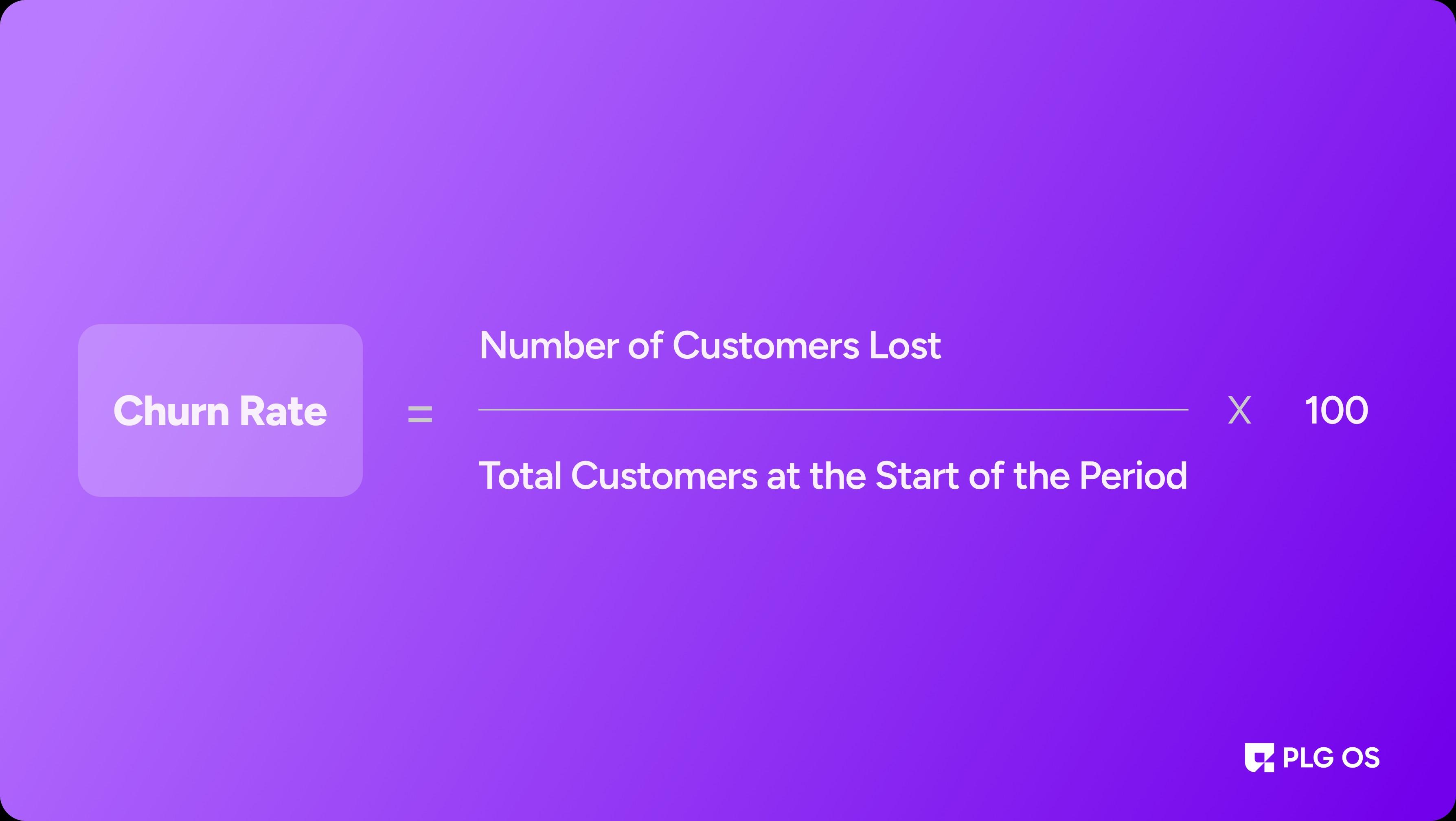
For example, if you start the month with 1,000 customers and lose 50 by the end of the month, your churn rate would be:
Churn Rate = (50 / 1,000) × 100 = 5%
It’s important to note that this is just the basics—depending on your business model or growth stage, there may be variations in how you calculate churn.
Why Churn Rate Matters for SaaS Startups
Churn rate is a critical metric for several reasons:
Product-Market Fit:
If churn is high, it may signal that your product isn’t fully meeting customer needs.
Impact on Revenue:
Losing customers means losing recurring revenue, which hits your bottom line hard.
Customer Acquisition Costs:
High churn rates make it harder to recover the money spent on acquiring customers in the first place.
Investor Interest:
Churn is a key indicator investors look at when evaluating the health and potential of a SaaS business.
Sustaining Growth:
Lower churn means you’re more likely to see consistent, long-term growth.
A monthly churn rate of 5-7% is typically seen as concerning, while anything under 3% is generally considered a good sign for SaaS startups.
Strategies to Reduce Churn Rate
Here are some practical steps you can take to keep churn low:
Improve Onboarding:
A seamless onboarding experience helps customers quickly understand and realize the value of your product.
Enhance Customer Support:
Being responsive and offering helpful support can turn a potential churner into a loyal customer.
Customer Success Programs:
Proactively help customers reach their goals with your product to keep them engaged.
Collect and Act on Feedback:
Regularly gather customer feedback and use it to improve your product and service.
Offer Long-Term Contracts:
Encourage longer commitments by offering discounts or additional features.
Use Predictive Analytics:
Identify customers who are at risk of churning and take action before they leave.
Personalize the Experience:
Tailor your product and communications to meet the unique needs and preferences of each customer.
Add Value Regularly:
Continuously improve and update your product to stay ahead of customer expectations and competition.
Win-Back Strategy:
Have a plan in place to re-engage customers who have left or are about to leave.
Focus on the Right Fit:
It’s okay to let customers who aren’t a good fit go. Focus your efforts on those who will truly benefit from your product.
Measuring the Impact of Churn Reduction
While it’s vital to reduce churn, you also need to track the effectiveness of your efforts. Here are a few key metrics to watch:
Customer Lifetime Value (CLV):
As churn drops, your CLV should increase as customers stay longer and spend more.
Net Revenue Retention (NRR):
This metric tracks revenue from existing customers over time, factoring in both churn and expansion.
Expansion Revenue:
Track the success of upselling and cross-selling efforts to offset churn.
Customer Satisfaction:
Use NPS, CSAT, or similar metrics to gauge customer happiness and loyalty.
Product Usage:
Monitor how frequently and deeply customers are engaging with your product.
Conclusion
Churn rate is much more than just a number—it’s a reflection of your product’s value, your customer service quality, and the overall health of your business. For SaaS startups, managing churn can mean the difference between thriving or just surviving.
Remember, reducing churn is a continuous process. It requires consistent effort, analysis, and improvement across various aspects of your business. PLG OS can help you focus on delivering real value, listening to your customers, and continuously refining your product and services with its tools ranging from onboarding to proactive customer success programs like gamification, predictive analysis, in-app feedback, etc. Keep your churn rate in check and set your startup on the path to sustained growth.