How to Use Product Usage Data in Your Growth Loops
Let’s face it—data is everywhere. But not all data is created equal.
If you’re building a product, scaling a startup, or trying to understand how your users tick, then product usage data is the gold mine you need to tap into. And if you're not using it to power your growth loops, you're leaving serious growth on the table.
But first, let’s rewind: What exactly is a growth loop? Why does product usage data matter so much? And how can you put the two together to build a machine that fuels itself?
Buckle up—because by the end of this post, you’ll have a complete, no-fluff strategy to turn your user data into a growth engine.
What Is a Growth Loop?
A growth loop is a self-sustaining cycle where the output of one user’s action becomes the input for another user's journey. Unlike a funnel (which ends), a loop keeps going.
Imagine Dropbox. When you share a file, the recipient signs up. That user shares another file. The loop continues.
Or think of Slack. A user invites teammates, who invite other teams. The loop never stops.
The beauty? Loops compound. The more users you have, the faster you grow.
But here’s the secret sauce: these loops run better when you use product usage data to inform, tweak, and optimize them.
That’s where PLG OS shines—giving you deep insights into how users interact with your product so you can fuel your loops with precision.
Why Product Usage Data Matters More Than Vanity Metrics
Likes and signups are great, but they don’t always lead to growth. Usage data, on the other hand, shows you what users actually do with your product:
- How often they use key features
- Where they drop off
- What makes them upgrade
- What drives referrals
- What triggers churn
Think of it as the behavioral blueprint of your users. It’s raw, honest, and actionable.
When you use that data to inform your growth loops, you can build a product that doesn’t just get adopted—it spreads.
The 3 Core Types of Product Usage Data You Need
Before we plug this into your growth loop strategy, let’s break down the three data types that matter most:
1. Engagement Metrics
This includes DAUs, WAUs, MAUs, time spent, sessions per user, feature adoption, etc. It tells you how much value users are extracting from your product.
2. Activation Metrics
These show how quickly users hit their "aha!" moment—whether it's completing a key action, setting up a workflow, or inviting someone else.
3. Retention Metrics
Retention is the silent killer of growth. If people don’t stick, loops break. Retention data shows who’s staying, who’s leaving, and why.
Pro Tip: Use PLG OS to visualize all three in a single dashboard—complete with actionable insights.
5 Building Growth Loops Fueled by Usage Data
Now that you’ve got the data, let’s use it. Here are five real-world growth loops you can build and scale—each powered by product usage insights.
1. The Referral Loop: Optimize for When Users Love You Most
You don’t want users to refer you just once. You want them to do it right when they’re happiest.
Here’s how usage data helps:
- Identify the moment of maximum engagement (e.g., after creating their first project or completing a successful campaign)
- Trigger a smart referral prompt at that moment
- Use analytics to test which moments lead to the most successful referrals
Pro Tip: With PLG OS, you can set event-based referral triggers to prompt users at their personal “aha!” milestone.
2. The Upgrade Loop: Use Usage Patterns to Nudge Paid Conversions
Not all free users are the same. Some are one click away from upgrading—they just need a nudge at the right time.
Use your usage data to spot:
- Users hitting usage limits (e.g., file storage or team size)
- Users engaging heavily with premium-only features
- Users consistently active but not yet paying
Now create an upgrade flow based on those patterns.
Bonus Tip: Use segmentation tools in PLG OS to group high-intent users and create custom upgrade messaging based on their behaviors.
3. The Expansion Loop: Fuel Growth Within Existing Accounts
Growth isn’t just about acquiring new users—it’s about growing within your current ones.
Usage data tells you:
- Which teams are actively using the product
- Which users are champions vs passive
- Where usage is plateauing or spreading across departments
Action it like this:
- Identify internal advocates
- Help them bring in more teammates
- Offer account-wide plans at key usage thresholds
This is the loop that powers B2B growth—especially for PLG products.
Growth Hack: Let PLG OS notify you when accounts are ready for expansion so you can strike while the usage is hot.
4. The Content Loop: Let Data Drive Your Education Engine
Your content isn’t just blog posts—it’s in-app tooltips, onboarding checklists, help articles, and more.
Let your usage data tell you:
- Which features confuse users the most
- Where users bounce or stall in setup
- What features are underused but high value
Now build targeted content to bridge those gaps.
The loop? Better content → better activation → more successful users → more referrals/upgrades.
Want to automate feature education based on real usage? PLG OS makes it easy to deliver content at just the right moment.
5. The Feedback Loop: Build What People Actually Want
You don’t need to guess what to build next. Usage data shows you:
Let your usage data tell you:
- Which features are getting love
- Which features no one touches
- Where users hit friction
Pair this with direct feedback (e.g., surveys or Net Promoter Scores) and you’ve got a powerful product iteration engine.
The result? A tighter product-market fit. Better UX. Happier users. And loops that spin faster.
Examples of effective engagement loops.
Are you ready to watch engagement loops at work? The following are three examples from leading software businesses.
Asana
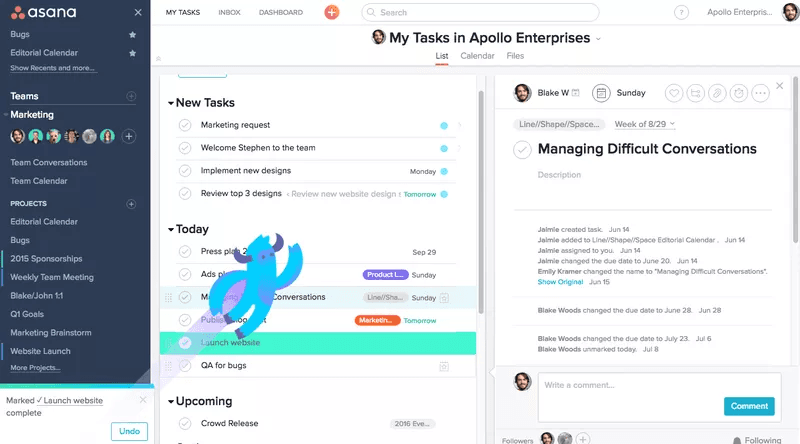
To assist its users in quickly becoming acquainted with the software, the company employs a straightforward user interface and onboarding procedure.
Asana also offers in-app assistance to help users engage with features. They keep the loop continuing by recognising customer milestones, as shown in the figure below. Using gamification in this way generates excitement, which encourages customers to continue participating.
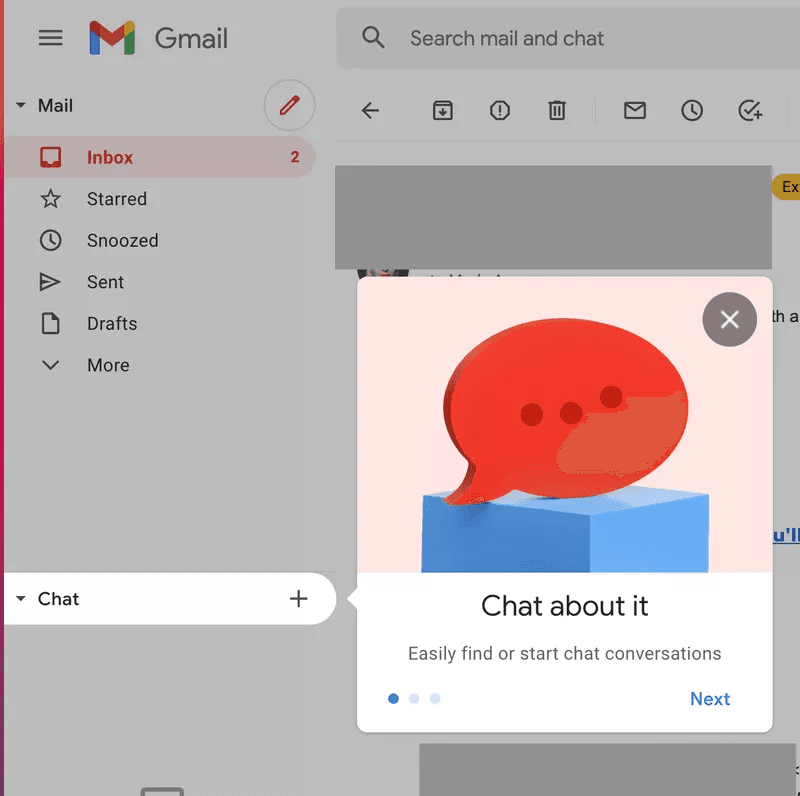
Google is one of the best examples of growth loops that keep users engaged with the product.
From numerous content formats on SERPs to integrating Gmail with Meet and other features, Google does all possible to help consumers solve problems without leaving the Google ecosystem.
And that is not all. Google also uses in-app interactive walkthroughs to familiarise users with key features and tools, allowing them to get the most out of their experiences.
Buffer
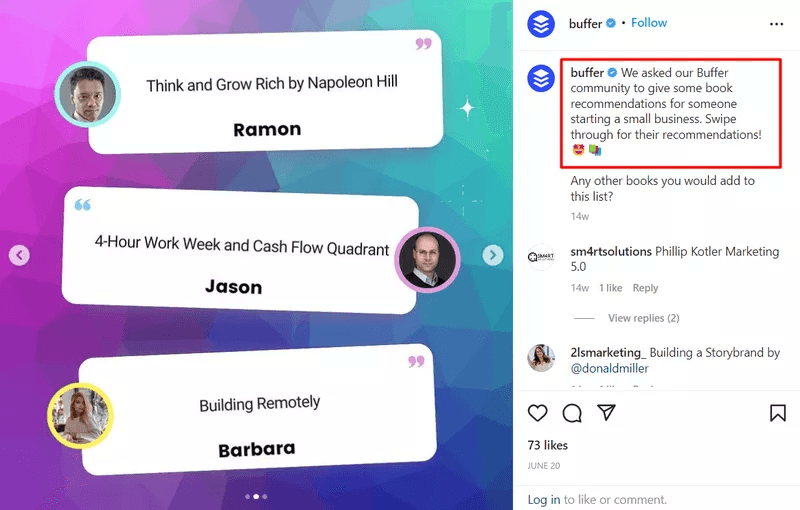
Buffer re-engages people and leverages social proof through user-generated content marketing. The company maintains an active social media community, encouraging customers to interact with one another through company posts.
One thing that jumps out about their social media strategy is that their content is not confined to what the platform offers. A classic example is shown below, in which Buffer solicited its users for book recommendations and showcased their responses.
The Growth Loop Framework in Action
Let’s make this even more concrete.
Here’s how a SaaS startup might implement a complete data-powered growth loop using PLG OS:
Step 1: Track user behavior (using PLG OS)
Step 2: Identify top features & friction points
Step 3: Nudge users to refer after using top feature
Step 4: Reward with bonus features or credits
Step 5: New users onboarded → data tracked → loop restarts
Every user action strengthens the loop. Your job? Keep it spinning.
Common Pitfalls (and How to Avoid Them)
Even the best loops can fail. Here are some common mistakes and how to fix them:
- Tracking everything but acting on nothing Focus on 3-5 metrics that directly connect to your loop.
- Forgetting segmentationNot every user behaves the same. Group by role, plan type, or usage level.
- One-size-fits-all messagingUse PLG OS to personalize prompts, nudges, and content delivery based on behavior.
- Falling in love with the loop, not the userLoops should serve the user, not trap them.
Final Thoughts: Growth Isn’t a Hack—It’s a System
Today's most successful products don’t grow because of virality hacks or paid ads. They grow because their product becomes the engine.
Product-led growth starts with understanding your users—and usage data is your compass.
If you're serious about turning your product into a growth machine, it’s time to stop guessing and start tracking, testing, and tweaking.
Ready to supercharge your loops with real product insights? Book a call now—the ultimate toolkit for data-driven product growth.
Build Smarter, Grow Faster
You already have the users. You already have the product. What you need is the insight to connect the dots and build growth loops that actually work.
And that’s where PLG OS comes in—helping you unlock powerful insights, automate behavior-based loops, and grow without guesswork.
FAQs
1. What is product usage data in SaaS?
Product usage data refers to the insights collected from users' interactions with a SaaS product. This data can include actions like clicks, feature usage, login frequency, and user behavior, helping businesses understand how their product is being used.
2. How can product usage data drive growth loops?
By analyzing product usage data, businesses can identify patterns and optimize user experiences. This data helps in creating automated workflows that guide users through their journey, encouraging continued use and referrals, thus generating growth loops.
3. What are growth loops in SaaS?
Growth loops are self-sustaining cycles where user actions lead to growth, such as a referral program. As users engage more with a product, they help bring in new users, creating a continuous cycle of growth.
4. How do I gather product usage data?
Product usage data can be gathered through in-app analytics, surveys, and tracking tools that monitor how users engage with the software, which features they use most, and their overall experience.
5. How can I use product usage data to improve user retention?
By analyzing this data, you can understand what keeps users engaged and what causes them to churn. Using this information, you can personalize onboarding, offer relevant features, and adjust communication to retain more users.