High Touch vs. Low Touch Customer Engagement: Choosing the Right Approach for Your Business
An excellent customer service experience can differentiate your company. But how much should you keep your customers engaged? The secret to satisfying customers is balancing high- and low-touch involvement models. Direct, one-on-one contact with customers is the backbone of high-touch customer engagement, which takes a more personal approach. In contrast, low-touch consumer involvement simplifies encounters by reducing the need for direct physical touch.
The goods and services you offer will significantly impact your client engagement model. Nevertheless, striking the correct balance between your company's goals and customer expectations and demands is no easy task.
What is high-touch customer engagement?
Having a high-touch engagement partner is like having an in-house software trainer who always monitors your progress and makes adjustments as needed. It's an approach to client engagement that brings together personalised human encounters.
Businesses that practice high-touch customer success continuously support their users rather than leaving them to fend for themselves. Customer success managers will guide you through the onboarding process and keep you updated at all times. 41 percent of customer-obsessed companies achieved at least 10 percent revenue growth in their last fiscal year, compared to just 10 percent of less mature companies.
Enterprise SaaS, premium services, and B2B software with a lengthy onboarding process all use the high-touch engagement approach, necessitating extensive integration and training.
Pros of high-touch engagement
Using a high-touch approach during this client journey has several benefits, the most important of which are:
- After being directed to a knowledge base, customers aren't left hanging. Instead, consumers receive tailored solutions and even personalised assistance in real time. When a cookie-cutter approach won't work for complicated items, this is an absolute need.
- A high-touch approach results in more trusting connections. Customers feel valued when they receive regular messages, personalised attention, and proactive help.
- Maximized retention and growth through enhanced lifetime value (LTV) through personalised interaction. Maximising product value and minimising customer turnover are achieved through providing appropriate continuous assistance and strategic direction.
Cons of high-touch engagement
However, there are downsides to high-touch engagement. Some common ones and ways to avoid them are as follows:
- Expensive in terms of both personnel and operational expenditures, a high touch model demands more significant resources. On this point, remember that not all customers have equal service expectations. It may be worth prioritizing accounts with significant value or complex needs to provide them with personalised support.
- Problems with scalability arise when trying to keep up with an ever-expanding customer base using a high-touch engagement style. A hybrid model that combines high-touch with low-touch, such as self-service knowledge bases or webinars, can help you avoid this problem. It’s ideal for essential accounts.
- Time to value may be longer if customers are onboarded more slowly using a high-touch technique rather than self-serve choices. Dividing user onboarding into steps that lead to instant benefits is an easier way to explain it.
What is low-touch customer engagement?
Now, we'll examine how low-touch engagement models might help you cater to different types of customers.
A self-checkout system is an example of low-touch interaction. It is quick and efficient in most cases because it only needs human intervention when required. Additionally, it's a method of utilising automation and AI to prioritise self-service for customer assistance.
Low-touch models actually forego the use of a single specialised account manager in favour of providing consumers with immediate access to knowledge centres, chatbots, and in-app instructions to assist them in solving problems independently.
When scaling is a top priority, low-touch customer support should be considered for freemium SaaS models, eCommerce shopfronts, and subscription-based models.
Tech touch is a subset of low touch that refers to automating once manual processes through the use of digital tools such as in-app messages, tutorials, workflows, and guidelines. While providing your business with the means to expand engagement and support initiatives at low cost, Tech Touch also gives you the tools to make communications feel more personal.
Pros of low-touch engagement
80 percent of leaders plan to increase customer service budgets over the next year. There are advantages to low-touch tactics as well:
- It requires fewer human resources, making it easier to scale, and low-touch models are cost-effective because they rely on automation and self-service.
- Low-touch onboarding allows customers to get going right away with automatic instruction, speeding up the onboarding process. To support these endeavours, you can incorporate in-app tutorials, interactive walkthroughs, and automatic emails or tooltips that reveal useful information.
- Personalised product recommendations, tailored articles for support and assistance pages, and retention efforts are all examples of data-driven personalisation that AI and automation can help with. These recommendations are crucial for increasing the customer lifetime value.
Cons of low-touch engagement
54 percent of organizations stated that their biggest barrier to leveraging data was fragmented or siloed data. However, if you fail to address these fundamental issues, no touch model will be successful:
- If self-service solutions fail, clients risk alienation and annoyance due to a lack of human interaction. Human assistance should thus continue to be universally available. Customers should be able to quickly and easily contact a live chat or support representative if they encounter any issues that cannot be resolved using self-service options.
- The possibility of increased churn for complicated products exists due to a lack of proactive engagement. Building an active community and checking in with customers more often are only two of the many techniques to juggle here. You can set up automated email sequences to maintain client engagement and apprise them of new features or best practices. Make sure they get the most out of your goods by using this method.
- Building meaningful relationships with clients is never easy. Personalisation of communication is essential, even when using self-service tools. Keep in mind that it is still easy to design unique experiences for important clients even in low-contact models. Before anybody else, choose your most valuable customers and grant them access to unique resources and priority support.
Key Differences: High Touch vs. Low Touch Engagement
| Feature | High-Touch Engagement | Low-Touch Engagement |
|---|---|---|
| Customer Interaction | Personalized, 1-on-1 | Automated, self-service |
| Scalability | Limited to a small number of customers | Scales easily to large user bases |
| Support Model | Dedicated account managers | AI chatbots, help centers, FAQs |
| Cost | High (requires more personnel) | Low (relies on automation) |
| Best for | Enterprise & high-value customers | Mass-market & self-service businesses |
Key Differences Between High-Touch and Low-Touch Engagement
Customer Interaction
- High-touch: Personalized, frequent, and direct communication
- Low-touch: Automated, self-service, and scalable interactions
Scalability
- High-touch: Limited scalability due to high resource demands
- Low-touch: Easily scalable to large user bases through automation
Support Model
- High-touch: Dedicated account managers and live support teams
- Low-touch: AI chatbots, help centers, and self-service platforms
Cost Considerations
- High-touch: Higher costs due to human resource involvement
- Low-touch: Cost-effective as automation reduces support expenses
Ideal Business Fit
- High-touch: Best for enterprise-level customers and complex solutions
- Low-touch: Ideal for self-service and mass-market businesses
When to Choose High-Touch Engagement
High-touch engagement is suitable when businesses need to build strong customer relationships and offer personalized guidance.
Indicators That High-Touch is the Right Choice
- Customers require extensive onboarding and training
- The product involves complex integration or customization.
- Customer success depends on strategic alignment and personalized advice
- The business relies on long-term contracts and high retention rates
Case Study: Salesforce’s High-Touch Approach
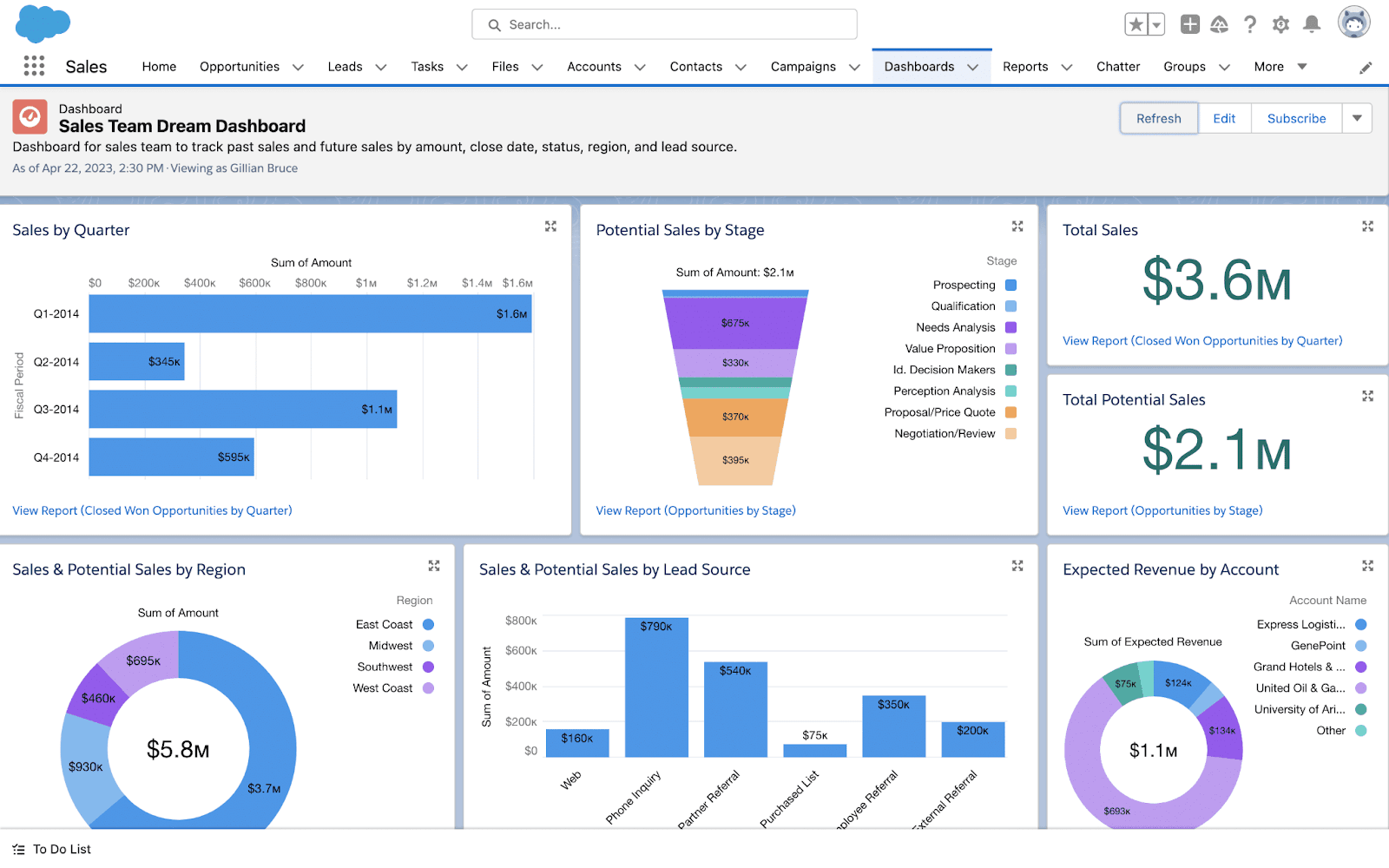
Salesforce assigns customer success managers to enterprise clients, ensuring they receive tailored guidance, implementation support, and ongoing strategy recommendations. This high-touch approach enhances customer satisfaction and reduces churn.
When to Choose Low-Touch Engagement
Low-touch engagement is best for businesses that prioritize scalability and automation to handle a large number of customers efficiently.
Indicators That Low-Touch is the Right Choice
- The product is intuitive and requires minimal training
- The business serves a high volume of customers at a low cost
- Customers prefer digital-first interactions with self-service options
- The focus is on efficiency and cost-effectiveness rather than personalized support
Case Study: Spotify’s Low-Touch Strategy
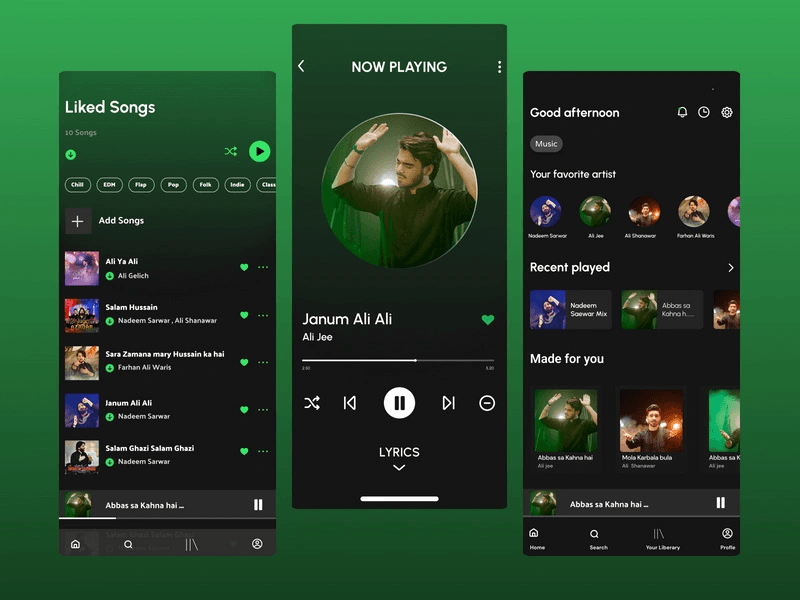
Spotify automates user engagement through AI-powered recommendations, in-app onboarding prompts, and self-service customer support. This model allows the platform to serve millions of users without extensive human interaction.
How does PLG OS offer high-touch and low-touch engagement?
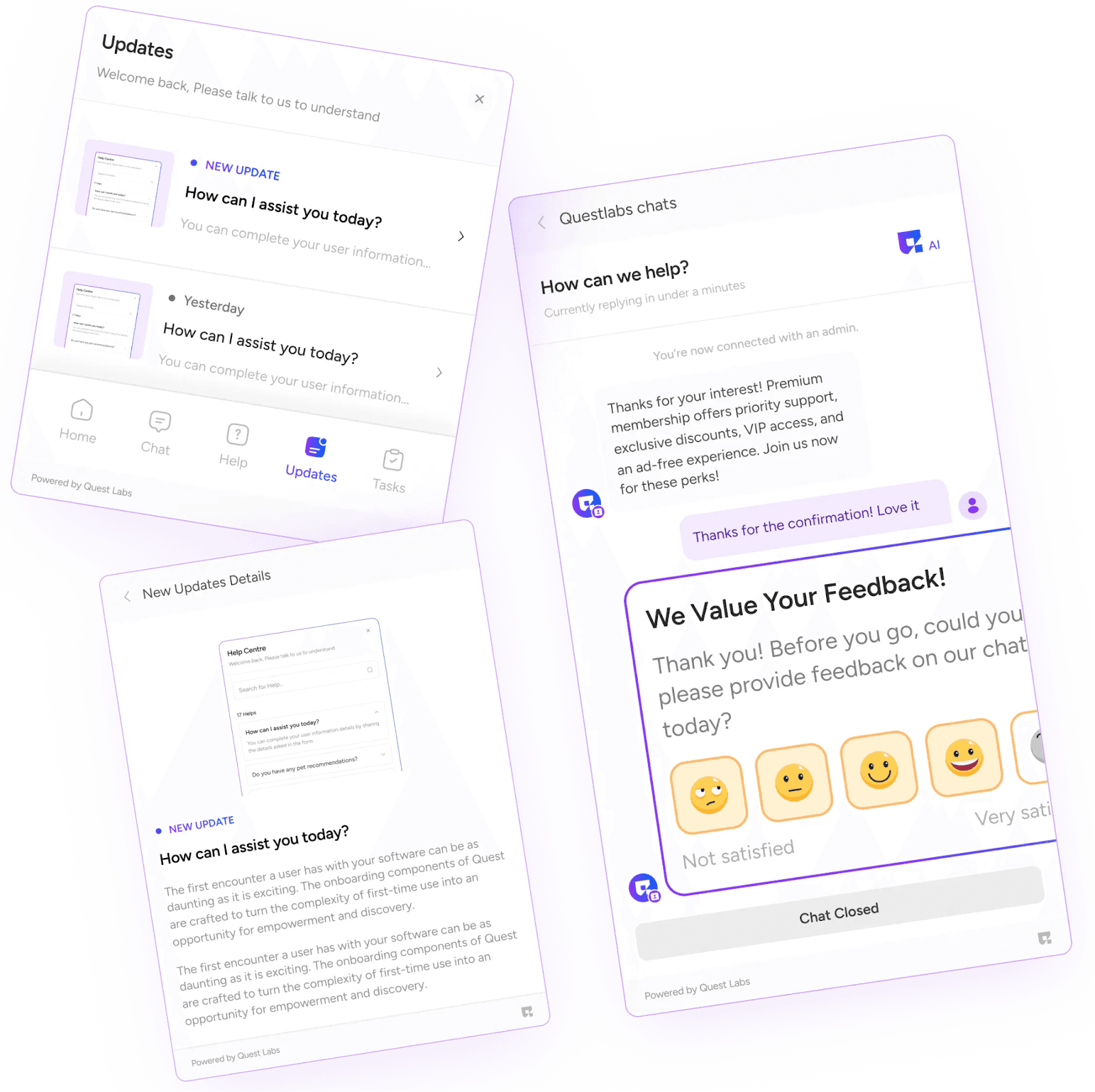
For low-touch engagement initiatives like in-app tooltips and walkthroughs, PLG OS provides in-app onboarding to organisations. With this method, users can learn the ropes of the product with little training and then strike off on their own.
To commemorate key milestones, you can use the platform’s inherent multi-channel messaging for high-touch moments to send personalised in-app messages through chatbots. By tailoring them to each customer’s journey, you can ensure they receive timely feature recommendations and the correct message.
Additionally useful is data-driven personalisation using PLG OS, which allows you to build personalised in-app experiences by drawing insights from consumer behaviour. With automated chatbots, you can notify users with a message when they do anything significant.
The best aspect is that your development staff won't be required. Using PLG OS's no-code workflows, your product team can create and release interactive user experiences.
Key Takeaways
Choosing between high-touch and low-touch customer engagement depends on a business's goals, customer expectations, and product complexity.
- High-touch engagement builds strong, personalized relationships and is ideal for enterprise clients.
- Low-touch engagement enables scalability and efficiency, making it suitable for mass-market businesses.
- A hybrid model offers the flexibility to serve different customer segments effectively.
Businesses should evaluate their engagement strategy based on customer needs, available resources, and long-term growth objectives. Book a call today to learn what best suits you!
FAQs
1. What is High Touch Customer Engagement?
High Touch Customer Engagement involves a lot of personal interaction with customers. It typically includes one-on-one meetings, personalized onboarding, and dedicated account managers, often used for complex or high-value products.
2. What is Low Touch Customer Engagement?
Low Touch Customer Engagement relies on automation and self-service. It uses tools like automated emails, chatbots, tutorials, and knowledge bases to guide customers with minimal human involvement.
3. When should you use High Touch Engagement?
High Touch is best for businesses with complex products, high customer lifetime value, or enterprise clients who expect personalized service and close relationships.
4. When should you use Low Touch Engagement?
Low Touch works well for simple, scalable products with large customer bases. It is ideal when fast onboarding and minimal human support can meet customer needs effectively.
5. Can you combine High Touch and Low Touch strategies?
Yes, many companies use a hybrid model. For example, they might offer Low Touch onboarding to most users and reserve High Touch support for premium or enterprise customers.