6 Smart Customer Engagement Examples from Famous Brands

From personalized experiences to interactive campaigns, the biggest names in business know exactly how to connect with their audience.
Customer loyalty is more important now than it has ever been before. In order to maintain your clients' interest and engagement with your business, it is essential to establish strong relationships with them. Customer engagement is crucial in this regard.
From gamified loyalty programs to AI-powered recommendations, the smartest brands are using innovative tactics to captivate their audience. Let’s dive into 10 smart customer engagement examples from famous brands that are revolutionizing the game and setting the bar for engagement success! Ready to be inspired?
What is customer engagement?
Customer engagementmeans creating strong connections with your customers at various points to keep them interested in your business and products.
You may learn much about your client's wants and needs from these interactions, making each connection more consistent and relevant. If a brand wants to remain competitive, it must master customer engagement.
84% of firms that prioritize enhancing the customer experience outperform their competitors in revenue by 4% to 8%. The objective is straightforward: provide clients with exceptional value beyond their expectations. The key is cultivating those "aha" moments that elevate contentment to joy.
Why is customer engagement important?
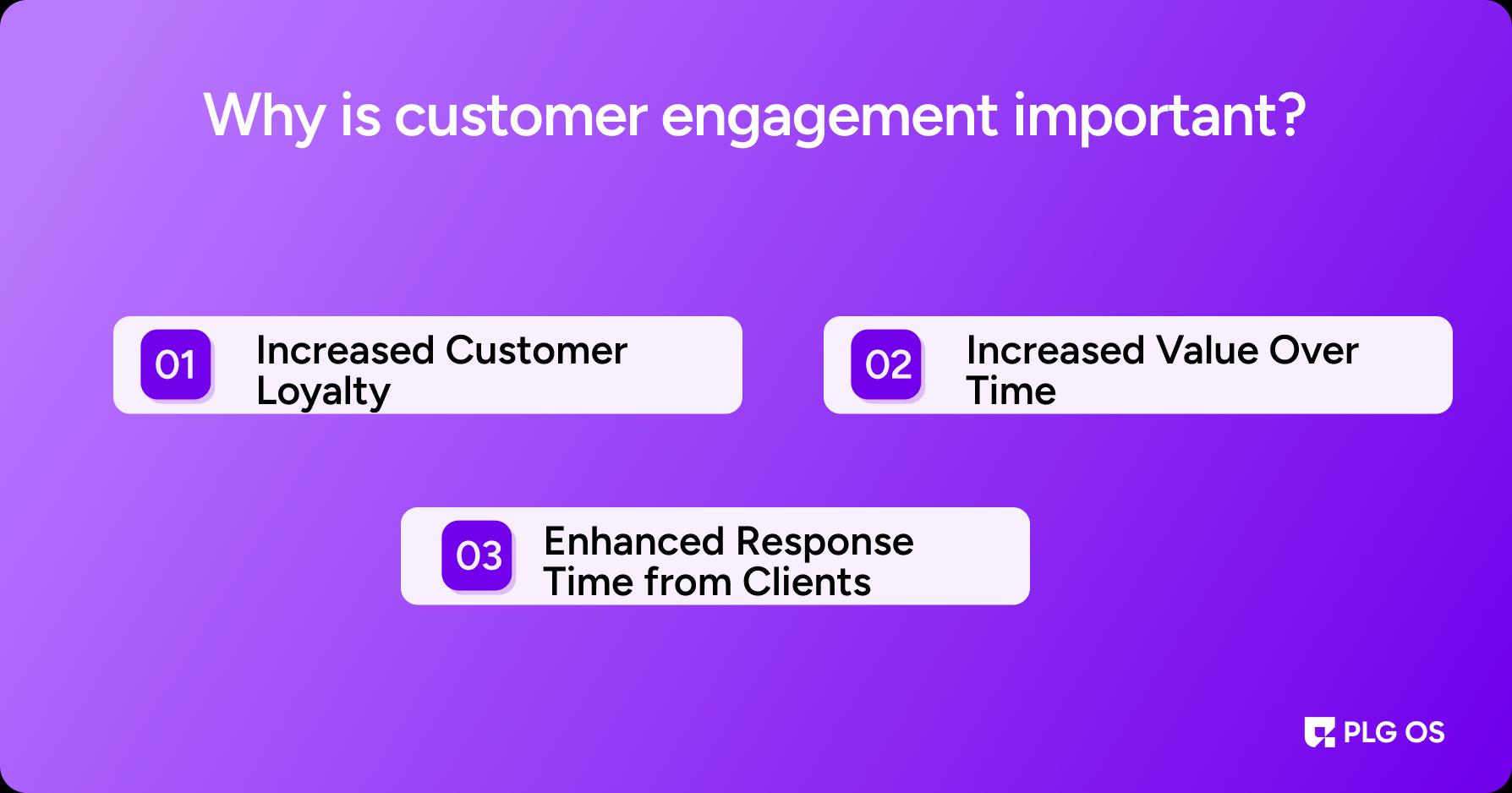
Making an effort to assess and improve your consumer engagement strategies has several advantages. Here are the main benefits:
Increased Customer Loyalty
When a client stays with your company and uses your solution, it's likely because they're satisfied.
That value wouldn't have been perceived at all if the correct engagement tactics hadn't been used to communicate it. Going back to the original point, involving customers involves making value obvious.
And it translates to increased customer retention.
Increased Value Over Time
Because they are more likely to make repeat purchases and are prepared to spend more money, engaged customers usually have a greater lifetime value.
Therefore, consumer engagement directly correlates to customer lifetime value.
Enhanced Response Time from Clients
Finally, your customer engagement example level directly correlates to their willingness to offer feedback and assistance.
Feedback improves engagement methods and projects, creating a positive feedback loop. And you certainly come out ahead in that situation.
What is an effective customer engagement strategy?
Which customer engagement examples works best for a certain company and its intended market is highly context-dependent. But what usually works best is a mix of the following tactics:
1. Personalization
Make each customer's experience unique by considering their tastes, past purchases, and actions. Use data analytics to learn about your customers so you can tailor your content, promotions, and suggestions to their specific interests.
2. User onboarding elements
When utilizing your product, user onboarding elements are frequently the first point of contact between users.
They are, of course, priceless when it comes to laying the groundwork for a lasting commitment.
To begin, an effective welcome modal has the power to convey information and evoke specific emotions right from the start.
For example, PLG OS offers a great onboarding experience for its users to stand out. Its approach is useful for small SaaS startups.
3. Omnichannel strategy
Give customers a consistent experience whether they're shopping online, via a mobile app, email, or at a physical store. If you want more customer interaction, let them engage with your brand how they like.
4. Interactive content
Make content like surveys, polls, and quizzes. This material can improve the engagement experience, but it also helps gather vital insights into the customer journey when customers interact with it. Inquiries from customers can reveal a wealth of information about their impressions of your brand.
For example, PLG OS provides feedback, surveys and supercool gamification strategies for your SaaS business to stand out.
6 Smart Customer Engagement Examples
1. Dropbox: Seamless Referral Program
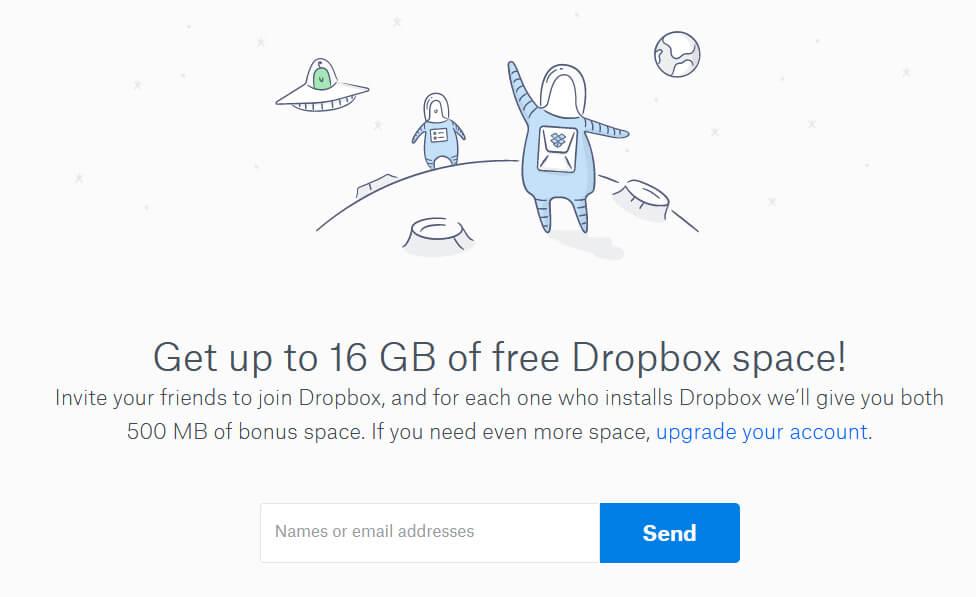
What Dropbox Does:
Dropbox, a cloud storage service, allows users to store and share files effortlessly.
Customer Engagement Strategy:
Dropbox's referral program rewards users with additional storage space for inviting friends. This incentivizes existing users to promote the service, leading to organic growth.
Key Takeaways:
- Incentivized referrals can drive user acquisition.
- Aligning rewards with user needs enhances engagement.
2. Zoom: User-Centric Feature Development
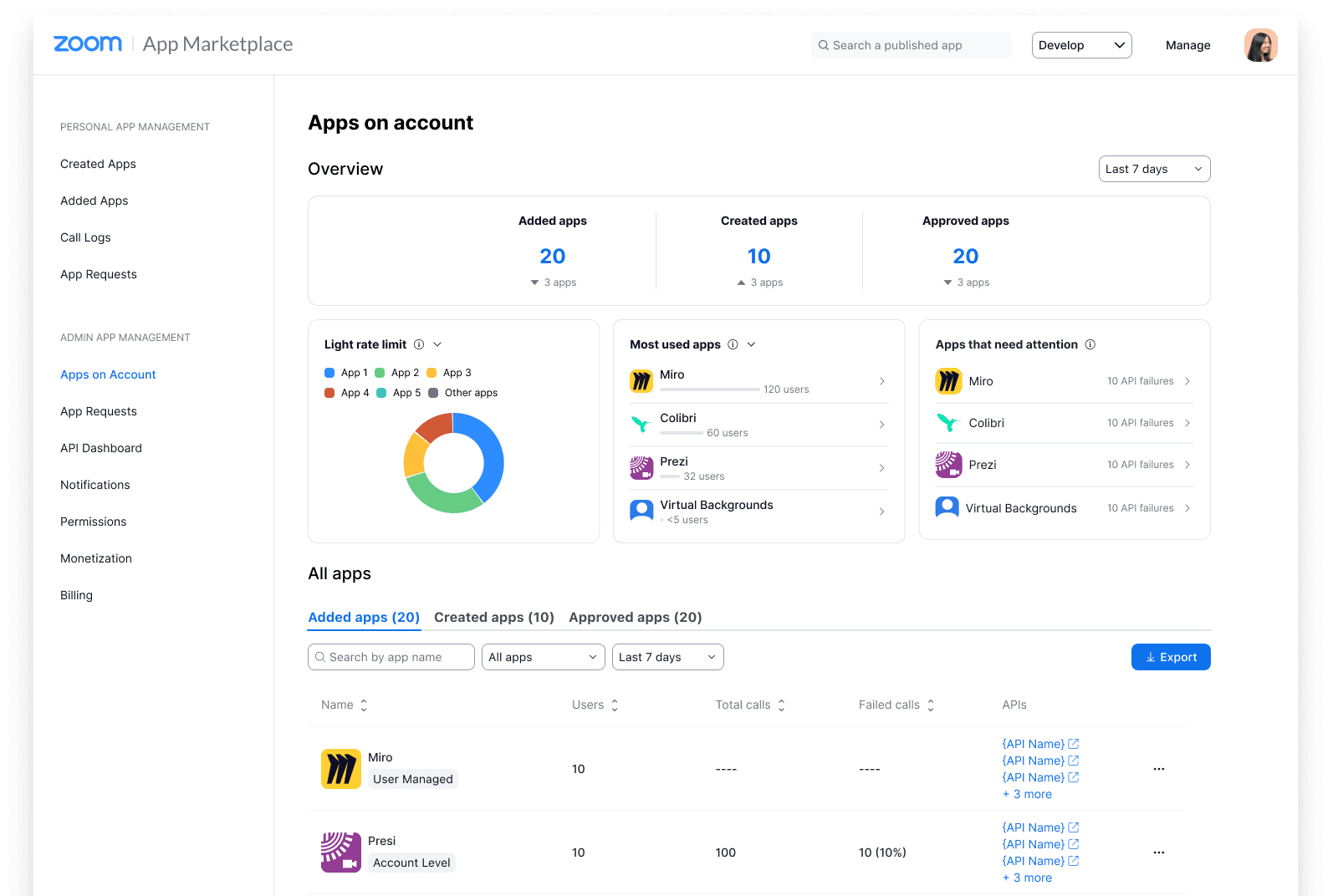
What Zoom Does:
Zoom is a video conferencing platform that facilitates virtual meetings and webinars.
Customer Engagement Strategy:
Zoom actively solicits user feedback to inform its feature development, ensuring the platform evolves in line with user needs. This responsiveness fosters a sense of community and loyalty among users.
Key Takeaways:
- Incorporating user feedback can guide product development.
- Responsive development builds customer loyalty.
3. Canva: Interactive Learning & Design Challenges
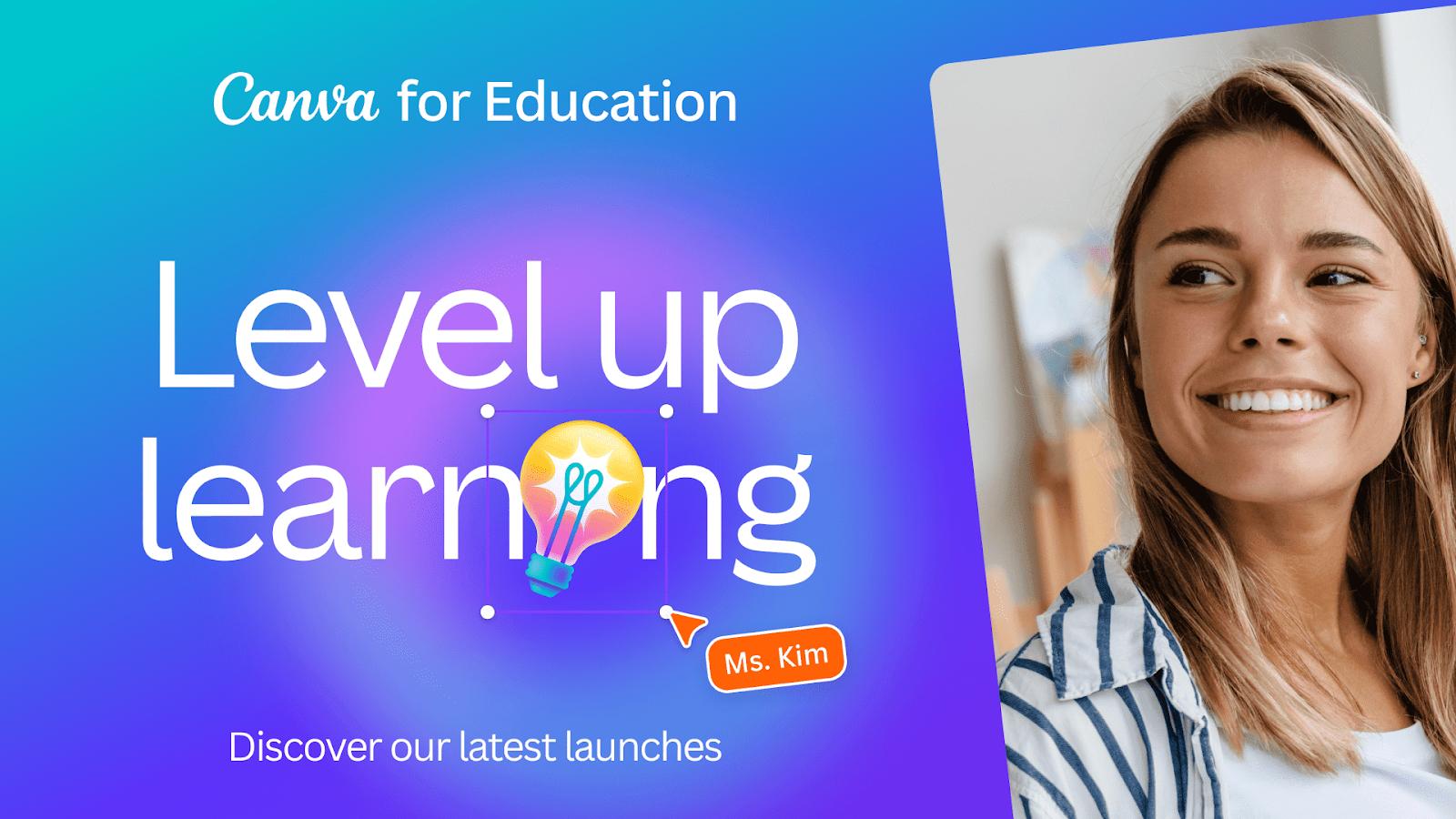
What Canva Does:
Canva is an easy-to-use graphic design platform for non-designers.
Customer Engagement Strategy:
Canva keeps users engaged with in-app design challenges, tutorials, and templates. Their interactive learning modules help users improve their design skills while staying active on the platform.
Key Takeaways:
- In-app learning keeps users engaged and reduces churn.
- Challenges encourage users to explore product features.
4. Asana: Product-Led Webinars & Training
What Asana Does:
Asana is a project management software designed to help teams stay organized.
Customer Engagement Strategy:
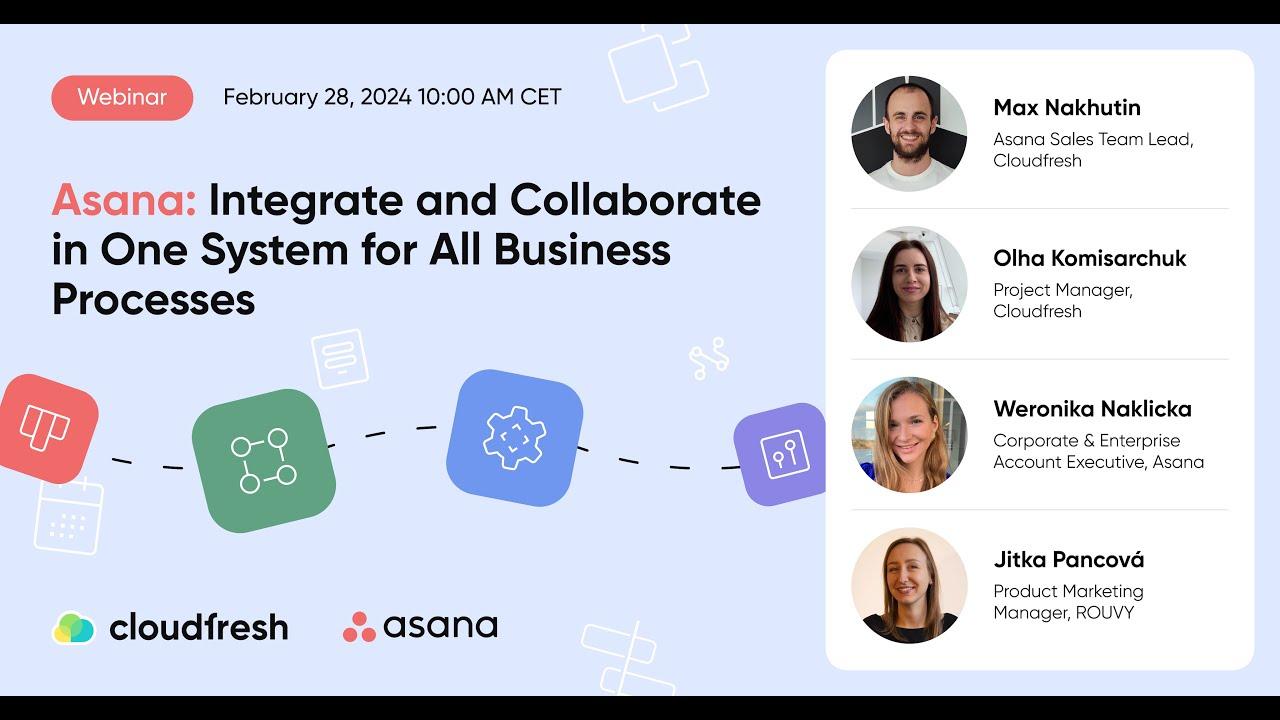
Asana offers free training webinars, certifications, and live Q&A sessions to help users maximize the platform’s capabilities. Their educational content not only boosts engagement but also increases adoption within teams.
Key Takeaways:
- Webinars provide direct value and help customers succeed.
- Training and certifications can increase product stickiness.
5. Intercom: Proactive Customer Support
What Intercom Does:
Intercom provides AI-powered customer communication and support solutions.
Customer Engagement Strategy:
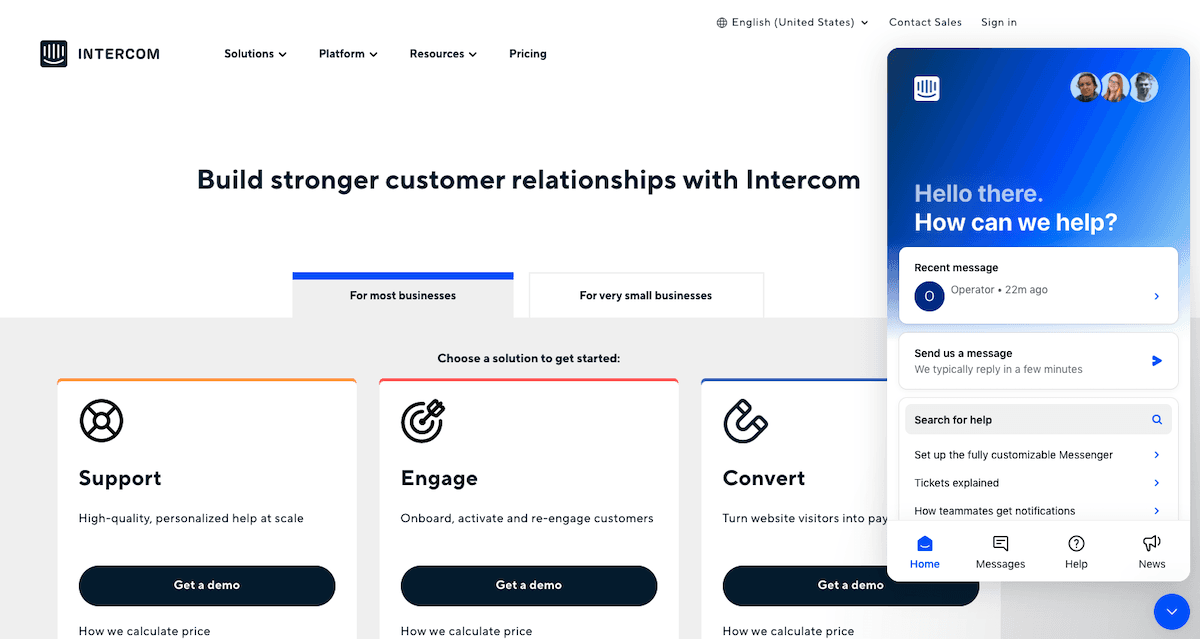
Intercom uses automated chatbots and proactive messaging to engage users before they even encounter problems. By offering real-time help and guiding users through the platform, they reduce friction and improve customer satisfaction.
Key Takeaways:
- Proactive support enhances user experience and retention.
- AI chatbots can engage customers at scale.
6. Notion: Community-Driven Growth
What Notion Does:
Notion is an all-in-one workspace for notes, databases, and collaboration.
Customer Engagement Strategy:
Notion has built a strong community around its product by actively engaging with users on social media, hosting events, and encouraging user-generated templates. Their ambassador program helps spread the word, making users feel like part of a movement rather than just customers.
Key Takeaways:
- A strong community fosters brand loyalty.
- Encouraging user-generated content enhances engagement and adoption.
How PLG OS can help drive customer engagement?
By tailoring your product's interface to each user's tastes and requirements, PLG OS can greatly increase consumer involvement.
PLG OS gathers user information and uses it to tailor their experience. Adapting features, messaging, and recommendations to each user's unique tastes and actions helps them feel appreciated and understood. Users are more invested since they obtain more relevant value from the product thanks to this tailored approach.
Providing a seamless onboarding experience is an essential part of PLG OS. Users are more inclined to remain involved when they can effortlessly join up, begin utilizing your solution, and observe rapid benefits. You can get people to use your product with features like interactive lessons, self-guided tours, and simple setup.
Conclusion
And there you have it—6 brilliant examples of how brands take customer engagement to the next level! Whether through personalized rewards, creating vibrant communities, or using cutting-edge tech, these companies prove that engagement is more than just making a sale; it’s about building lasting relationships.
So, what can you take away from these campaigns for your brand? Think about how you can connect with your audience on a deeper level and make them feel like part of something bigger. PLG OS drives customer engagement examples by creating an intuitive, valuable product experience tailored to individual users. Ready to up your engagement game with PLG OS? Let’s get started.
FAQs
1. What is customer engagement?
Customer engagement is the process of building a meaningful relationship with customers through personalized experiences, interactions, and communication that foster loyalty and trust.
2. Why is personalization important in customer engagement?
Personalization helps create a tailored experience that resonates with individual customers, increasing satisfaction, loyalty, and the likelihood of repeat purchases.
3. How can brands use social media for customer engagement?
Brands can use social media to engage customers by sharing valuable content, responding to comments, running contests, and showcasing user-generated content, creating a more interactive relationship.
4. What role does technology play in modern customer engagement?
Technology, like AI and AR, enables brands to offer personalized experiences, streamline communication, and provide interactive features that enhance customer satisfaction and engagement.
5. What are some successful examples of customer engagement?
Brands like Sephora,Uber Eats excel in customer engagement examples through loyalty programs, community-building campaigns, and personalized experiences that make customers feel valued and connected.