PLG OS: Product Tours vs Interactive Onboarding | SaaS Onboarding Guide
User onboarding is no longer a secondary product task. For SaaS companies, onboarding has a direct impact on activation, retention, expansion, and revenue. If users do not reach value quickly, they often leave—without providing feedback.
This is why many teams struggle with a common decision: product tours vs interactive onboarding.
Some rely on product tours to explain features. Others invest in interactive onboarding to guide users step by step. Both approaches are used widely, but they are not interchangeable.
TL;DR
- What product tours and interactive onboarding really mean today
- The hidden limitations most teams overlook
- A practical onboarding techniques comparison
- Which onboarding method is better for different SaaS models
What onboarding is really about
Before comparing onboarding methods, it is important to understand the real goal.
Onboarding is not about:
- Showing every feature
- Giving product education
- Completing a checklist
Onboarding is about:
- Helping users reach value
- Reducing confusion
- Preventing early drop-off
Good SaaS onboarding experiences help users succeed without needing support tickets or sales calls.
What is a product tour
A product tour is a guided walkthrough that shows users different parts of the product interface.
Common traits of product tours
- Starts when the user logs in
- Follows a fixed order
- Uses tooltips, modals, or highlights
- Shows the same steps to all users
Many teams use interactive product tours because they are easy to build and quick to launch.
Why product tours became popular
- Are simple to implement
- Look good in demos
- Help users understand layout
- Require minimal setup
For early-stage products or very simple tools, product tours can work well.
Problems with product tours
Product tours have clear limits that many teams notice too late.
Product tours are feature-focused
They explain what the product has, not what the user needs to do.
Product tours assume one learning path
Not all users have the same goal. A single tour cannot serve everyone.
Product tours do not adapt
If a user skips steps, gets stuck, or already knows something, the tour does not adjust.
Product tours end too early
Once the tour ends, guidance usually stops. This leaves users alone during real usage.
These issues often lead teams to explore product tour vs onboarding alternatives. 86% of users say they would stay loyal to a product if it provides better onboarding and education.
What is interactive onboarding
Interactive onboarding is a system that guides users based on actions, behavior, and context.
Instead of showing everything upfront, it:
- Responds to what users do
- Guides users to key actions
- Continues after the first session
This approach focuses on outcomes, not explanations.
How interactive onboarding works
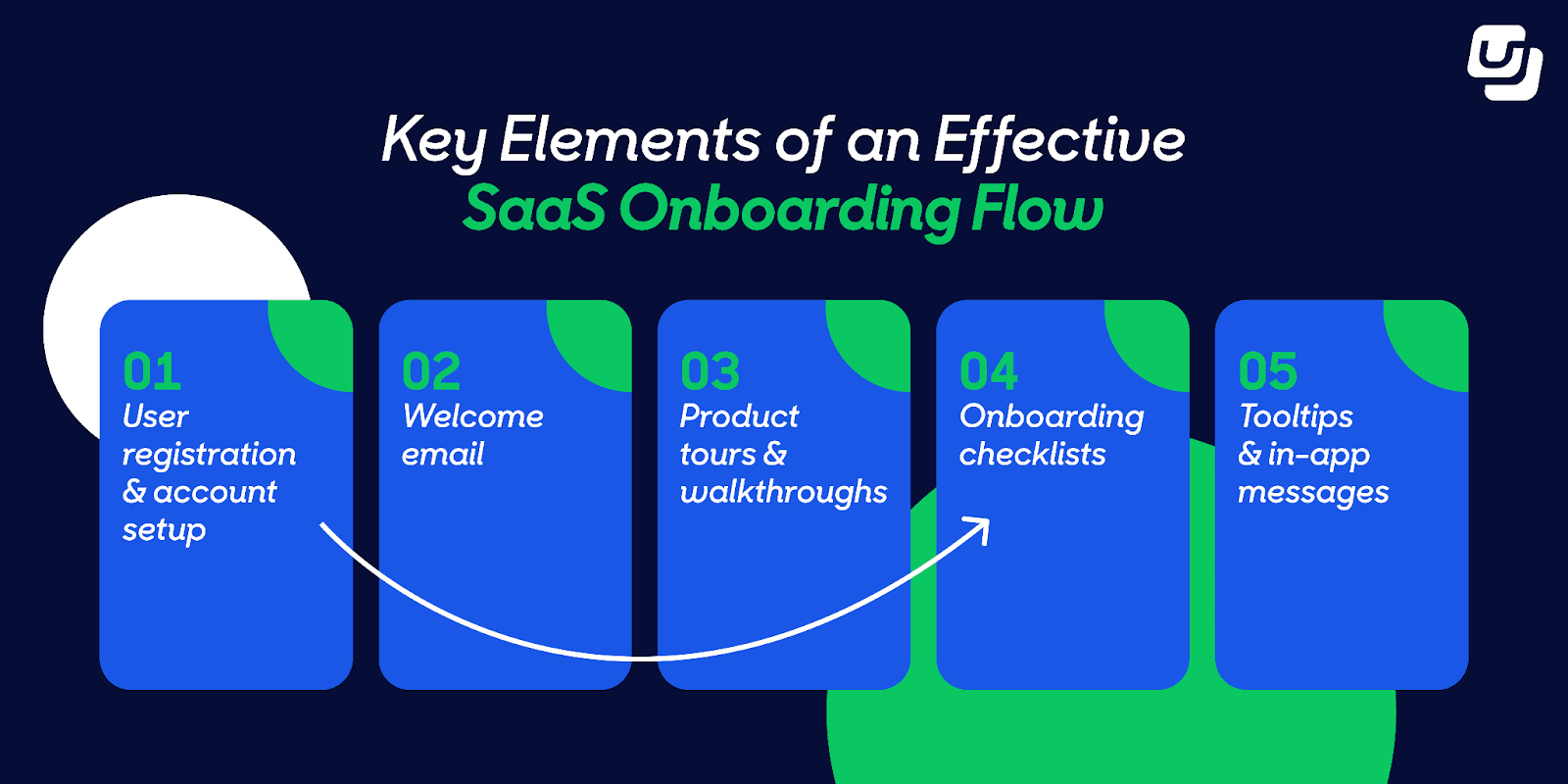
Interactive onboarding uses multiple elements:
- Walkthroughs triggered by actions
- Tooltips shown at the right time
- Checklists tied to real progress
- Help shown when users are stuck
This is why many teams compare interactive onboarding vs product tour when improving activation.
Product tour vs interactive onboarding
Over 55% of users return a SaaS product because they clearly understood how to use it during onboarding. Below is a clear onboarding techniques comparison.
Learning style
- Product tour: One-time, linear
- Interactive onboarding: Ongoing, adaptive
Personalization
- Product tour: Same for everyone
- Interactive onboarding: Based on role and behavior
Timing
- Product tour: Mostly first login
- Interactive onboarding: Across the user journey
Goal
- Product tour: Show features
- Interactive onboarding: Drive value
This difference matters when deciding which onboarding method is better.
When product tours are enough
Product tours can still work when:
- The product is very simple
- There are few core actions
- The audience is technical
- Onboarding time is short
In these cases, a basic product tour vs interactive walkthrough comparison may favor tours.
When interactive onboarding is the better choice
Interactive onboarding works better when:
- The product has multiple personas
- Activation requires multiple steps
- Users need help over time
- Retention depends on habit-building
This is common in modern SaaS tools.
Why most SaaS teams need more than tours
As products grow, onboarding needs change.
Users:
- Join with different goals
- Skip steps
- Return after gaps
- Explore features at different speeds
Static tours cannot handle this complexity. Interactive onboarding can.
Role of user onboarding software
Manual onboarding does not scale. This is where user onboarding software is essential.
Modern tools help teams:
- Build onboarding without code
- Trigger flows based on behavior
- Measure onboarding success
- Improve without redeploying code
How PLG OS supports better onboarding
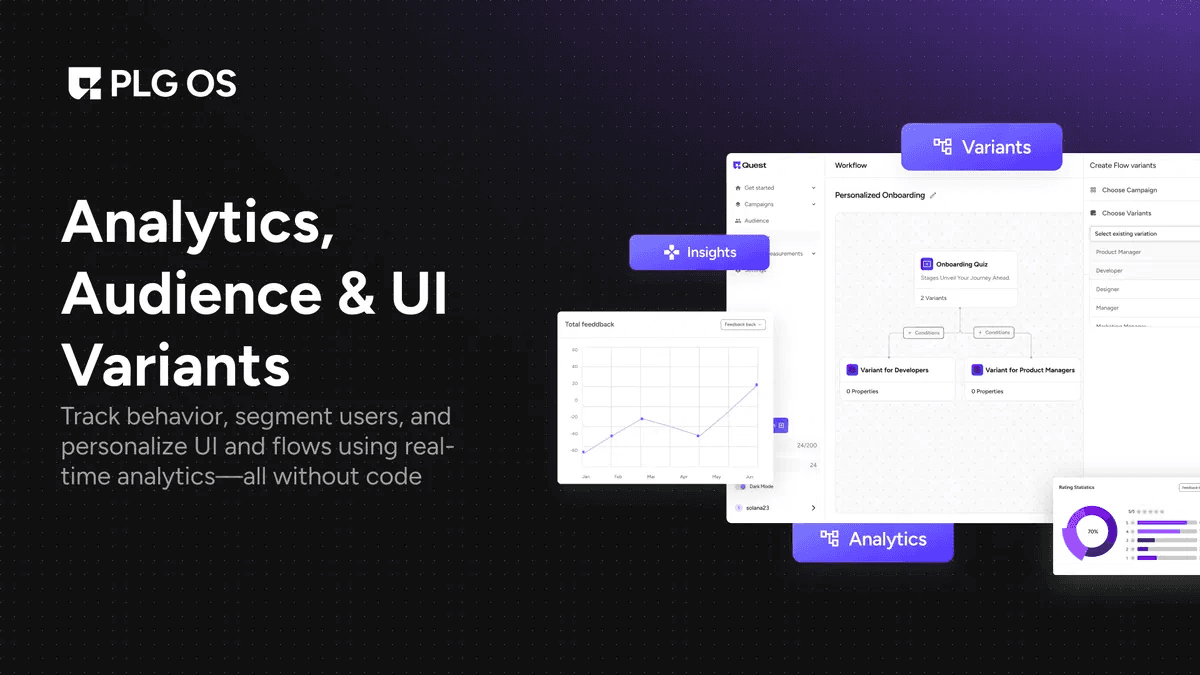
PLG OS is designed for product-led teams that want onboarding to drive growth.
It does not force a choice between product tours and interactive onboarding. It supports both, based on user needs.
Optimize onboarding with PLG OS
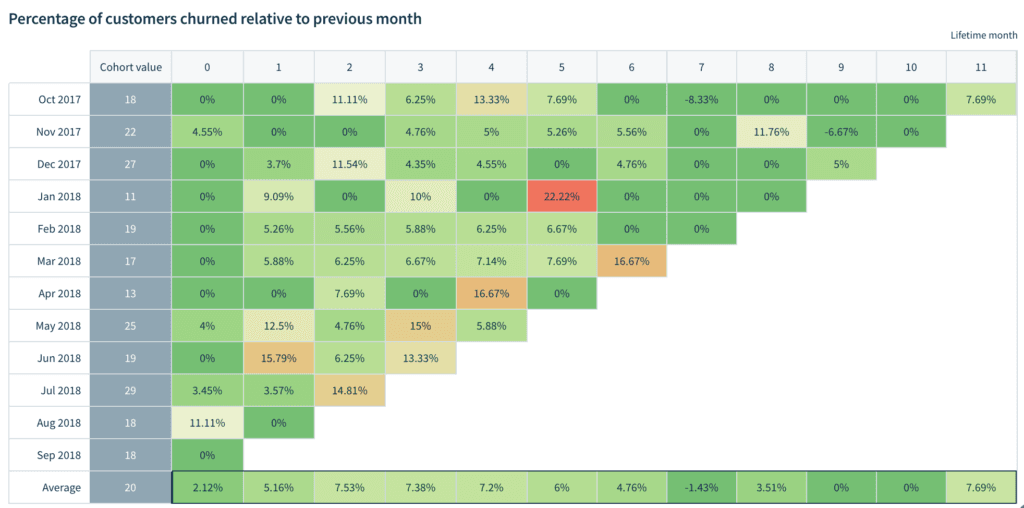
PLG OS helps teams design onboarding flows that:
- React to user actions
- Adjust based on progress
- Focus on value milestones
This reduces guesswork and improves onboarding quality.
Expedite time to value
Instead of showing features, PLG OS helps users complete actions that matter.
This shortens:
- Time to first success
- Time to activation
- Time to retention
Faster value leads to better conversions.
User assistance that works in context
PLG OS provides help when users:
- Pause too long
- Miss a key step
- Exit important flows
This approach helps unstuck your users without interrupting their work.
Feedback and surveys inside onboarding
Onboarding improves when teams listen.
PLG OS allows teams to:
- Ask short questions in-product
- Collect feedback at key moments
- Learn what users think
This supports continuous improvement and aligns with EEAT principles by using real user input.
Loyalty and gamification
Onboarding does not end after setup.
PLG OS supports engagement through:
- Progress tracking
- Small rewards
- Usage-based encouragement
This makes the product more engaging without being distracting.
Product tours vs interactive onboarding in PLG
In product-led growth:
- The product replaces sales
- Onboarding replaces demos
- Experience replaces persuasion
Interactive onboarding fits this model better because it adapts and scales.
Product tours alone often fall short.
How to choose the right approach
Ask these questions:
- Do all users have the same goal?
- Does activation take more than one step?
- Do users need help after day one?
- Do we want data-driven onboarding decisions?
If yes, interactive onboarding is the better choice.
Practical onboarding setup
A balanced approach works best:
- Use a short product tour for orientation
- Use interactive walkthroughs for key actions
- Use contextual help for friction points
- Use feedback to improve continuously
PLG OS supports all of these in one platform.
| Aspect | Product Tours | Interactive Onboarding |
|---|---|---|
| Purpose | Introduce the product interface | Help users reach value through actions |
| Flow type | Fixed and linear | Dynamic and behavior-based |
| Personalization | Same experience for all users | Customized by role, goal, or behavior |
| Timing | Mostly during first login | Ongoing across the user journey |
| User focus | Features and UI elements | User goals and outcomes |
| Adaptability | Does not change based on usage | Adjusts based on user actions |
| Best suited for | Simple products with few features | <a href="https://www.plgos.com/blogs/how-to-build-the-best-saas-onboarding-experience" target="_blank">Complex SaaS products</a> and PLG models |
| Impact on activation | Limited | High when designed well |
| Scalability | Difficult as product grows | Scales with product complexity |
Final thoughts
The debate around product tours vs interactive onboarding is not about trends. It is about user success.
Product tours explain products. Interactive onboarding helps users achieve outcomes.
For simple tools, tours may be enough. For modern SaaS products, interactive onboarding is often required.
Teams that invest in flexible onboarding systems—and tools like PLG OS—are better positioned to grow with their users.
Onboarding is not a one-time flow. It is a continuous product experience.
Once you have decided which pattern fits, our product tour software comparison covers the tools that build them, including the case for shipping fewer tours and a better checklist.
FAQs
1. What is the main difference between product tours and interactive onboarding?
Product tours show features in a fixed order, usually at first login. Interactive onboarding guides users based on their actions and continues throughout the user journey.
2. Is interactive onboarding better than a product tour?
For most modern SaaS products, interactive onboarding is better because it adapts to user behavior and focuses on reaching value, not just explaining features.
3. Can product tours and interactive onboarding be used together?
Yes. Many SaaS teams use a short product tour for orientation and interactive onboarding for key actions and ongoing guidance.
4. When should a SaaS product use only a product tour?
A product tour may be enough if the product is very simple, has few core actions, and users can reach value quickly without ongoing guidance.
5. How does PLG OS help with onboarding?
PLG OS helps teams optimize onboarding, reduce time to value, assist users when they are stuck, collect feedback, and improve engagement using data-driven onboarding flows.