What is Time to Value? How to reduce it?

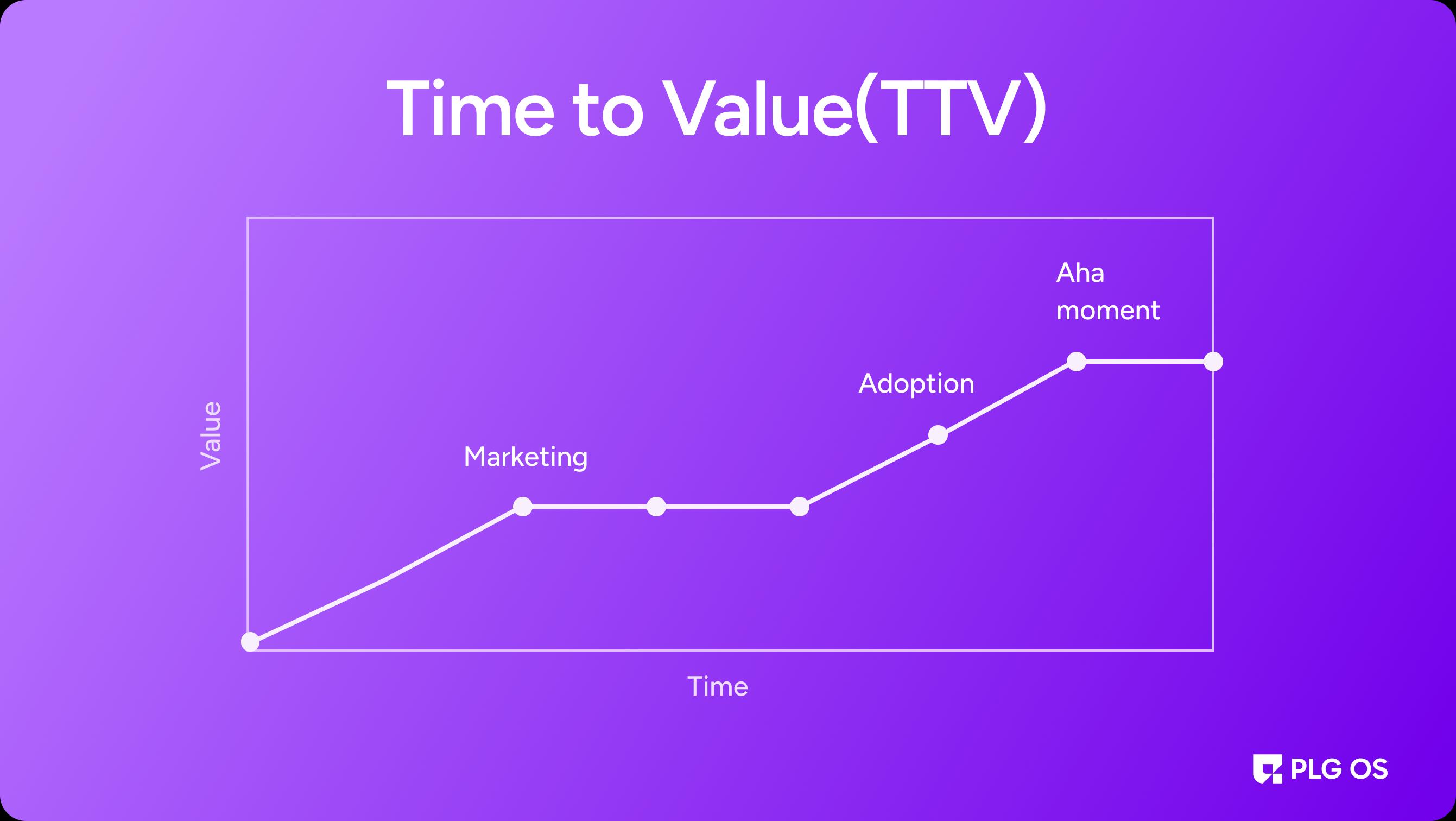
TTV can be categorized into two main types:
Immediate TTV:
This refers to the value a user experiences shortly after signing up or during their initial interaction with your product. For instance, if a user quickly finds a feature that solves a pressing problem, they're experiencing immediate TTV.
Long-term TTV:
This is the ongoing value users realize over time as they become more adept at using your product and integrate it into their workflows. For example, as users explore more features and understand how they fit into their daily tasks, they begin to see greater value.
Why is Time to Value Important for SaaS Startups?
Understanding and optimising TTV is crucial for several reasons:
User Engagement:
A shorter TTV leads to higher engagement. When users quickly see the value in your product, they're more likely to continue using it and explore additional features.
Reduced Churn:
Fast TTV can significantly lower churn rates. Users who quickly understand how your product benefits them are less likely to abandon it.
Increased Conversions:
For freemium models or free trials, a brief TTV often results in higher conversion rates. When users experience value, they are more inclined to upgrade or purchase.
Competitive Advantage:
In a crowded market, a shorter TTV can set you apart from competitors. It can be a powerful selling point that influences purchasing decisions.
Customer Satisfaction:
Users who quickly recognize the value in your product tend to be more satisfied, leading to positive reviews and word-of-mouth referrals.
Faster Growth:
By reducing TTV, you can accelerate user adoption and revenue growth, both of which are critical for startups looking to scale quickly.
How to Calculate Time to Value
Calculating TTV might seem complex, as the definition of "value" can differ based on your product and user base. Here are some steps to measure TTV effectively:
Identify Key Value Metrics:
Define specific actions or milestones that indicate a user has received value. This could involve completing a task, achieving a goal, or utilizing a core feature.
Track User Behavior:
Use analytics tools to monitor how long it takes users to reach these key value metrics after signing up.
Segment Users:
Different user groups might experience varying TTVs. Segment users based on factors like company size, industry, or use case to gain a clearer understanding.
Survey Users:
Ask users directly when they first felt they received value from your product. This qualitative data can provide meaningful insights.
Calculate Average TTV:
Once you gather data on when users reach their value milestones, compute the average time across your user base or within specific segments.
Monitor TTV Trends:
Keep an eye on how your TTV changes over time, especially as you implement strategies aimed at improving it.
Ways to Reduce Time to Value
Reducing TTV should be a priority for SaaS startups. Here are several strategies to help users realize value faster:
Streamline Onboarding:
Create a smooth, intuitive onboarding process that guides users to their first value milestone quickly.
Personalize the Experience:
Utilize data collected during sign-up to tailor the onboarding process and initial product experience to each user's specific needs.
Implement In-App Guidance:
Use tooltips, pop-ups, or guided tours to help users navigate your product and discover key features.
Offer Pre-built Templates:
Provide templates or pre-configured setups that allow users to start using the product right away, instead of building from scratch.
Focus on Core Features:
Initially highlight your product's core value proposition rather than overwhelming users with all available features.
Provide Clear Documentation:
Make sure users have easy access to well-written documentation and FAQs to quickly find answers to their questions.
Use Video Tutorials:
Create short, focused video tutorials that demonstrate how to achieve specific valuable outcomes with your product.
Implement a "Quick Start" Option:
Offer a simplified version of your product for new users, allowing them to experience core value without navigating the full complexity.
Leverage AI and Automation:
Use AI to predict user needs and automate certain setup processes, reducing the time and effort required from users.
Offer Excellent Customer Support:
Provide responsive and helpful customer support to quickly address any issues that might delay a user's path to value.
Gamify the Onboarding Process:
Use gamification techniques to encourage users to complete key actions that lead to experiencing value.
Continuous Optimization:
Regularly analyze user behavior and feedback to identify and eliminate friction points in the user journey.
Monitoring and Improving TTV
Reducing Time to Value isn't a one-off task; it's an ongoing effort. Here's how to continuously improve your TTV:
Set TTV Goals:
Establish clear TTV targets for different user segments or product features.
Regular Analysis:
Consistently review your TTV metrics to identify trends and areas for improvement.
A/B Testing:
Experiment with different onboarding flows or feature introductions to see which leads to the fastest TTV.
User Feedback:
Regularly collect and act on user feedback about their initial experience with your product.
Cross-functional Collaboration:
Involve teams across your organisation—from product development to customer success—in efforts to reduce TTV.
Benchmark Against Competitors:
Where possible, compare your TTV to industry standards or direct competitors to ensure you're staying competitive.
Conclusion
In SaaS, Time to Value (TTV) is key to success. Reducing TTV enhances user satisfaction, lowers churn, and boosts growth. PLG OS helps SaaS startups achieve faster TTV through features like personalized onboarding, in-app guidance, and gamification. By simplifying the user journey and accelerating value realisation, PLG OS drives activation and retention while saving development time. Prioritising faster TTV not only improves user experiences but also gives you a competitive edge in the fast-paced SaaS landscape. Start optimizing your TTV today for impactful results.