7 unique & successful loyalty program examples for 2025
In a world where users have endless choices, loyalty is the secret sauce that keeps them returning. But let’s face it, today’s users expect more than just a basic points system. They want experiences that wow, rewards that feel personal, and recognition that matters. That’s why the most innovative brands in 2025 are rethinking loyalty from the ground up. From gamified streaks to data-driven perks, loyalty programs are becoming powerful growth engines.
Ready to get inspired? Here are 7 unique and wildly successful loyalty program examples that are changing the game—and lessons you can steal for your brand.
What Are Loyalty Programs?
Usually, loyalty programs are advertising campaigns that aim to entice customers who have bought something from the business before to buy more from them again by offering them rewards or incentives.
Forrester predicts that in 2025, brand loyalty will drop by 25%, but loyalty program usage will increase. Although there are several loyalty programs, they all have the same overarching goal: to increase the frequency with which customers make purchases, strengthen connections with those customers over time, and, ultimately, increase revenue.
Types of Loyalty Programs
Points based
The simplest and most prevalent form of loyalty program is the point system. Customers can earn points with every transaction they make. These points can be redeemed for incentives after they reach a certain threshold.
Tiered structure
Tiered loyalty programs are those where businesses build a loyalty ladder and reward and elevate clients based on their expenditures.
Subscription-based
Customers who sign up for a service or product and continue to use it regularly are the ones who benefit from subscription-based loyalty programs.
Cashback
Customers who participate in cashback schemes get a portion of their original purchase amount returned.
How do Customer Loyalty Programs Work?
A customer loyalty program allows businesses to give customers points or awards that can be redeemed for discounts, free products, exclusive benefits, or other incentives. The primary goal of these programs is:
- Increased Customer Referrals: Satisfied consumers are more likely to recommend loyalty programs to friends and family. This creates a cycle of new customers and reinforces brand loyalty.
- Enhanced Customer Retention: Customers who benefit from a loyalty program are likelier to stick with the business over time, enhancing customer retention rates.
- Increased Sales: Loyalty programs frequently result in better sales. According to one survey, 76% of Americans spend more money after enrolling in a loyalty program. Furthermore, 83% of consumers said that participating in a loyalty program influenced their decision to make repeat purchases. These data demonstrate the usefulness of loyalty programs in increasing consumer spending and improving brand loyalty.
- Brand Advocacy: A well-executed loyalty program can convert regular customers into brand advocates who promote the company through word of mouth, making it a more effective and cost-effective marketing technique than traditional paid advertising.
Finally, customer loyalty programs can improve customer engagement, increase sales, and cultivate brand loyalty, benefiting both the company and its customers.
6 Best Practices for Effective SaaS Customer Loyalty Programs
Building customer loyalty in SaaS isn’t just about offering rewards—it’s about creating meaningful, ongoing value. Here are six best practices to ensure your loyalty program drives engagement, retention, and growth.
1. Personalize the Experience
Generic rewards won’t cut it. Use product usage data to tailor offers based on user behavior, goals, and preferences. The more relevant the reward, the higher the engagement.
2. Reward the Right Behaviors
Don’t limit loyalty to renewals or referrals. Reward users for adopting key features, completing onboarding, providing feedback, or hitting usage milestones. This reinforces habits that lead to long-term retention.
3. Keep It Simple
Your loyalty program should be easy to understand and frictionless to join. Confusing point systems or hard-to-redeem perks turn users off. Focus on clarity, transparency, and immediate value.
4. Make Rewards Visible In-App
Out of sight is out of mind. To motivate users, integrate your loyalty program directly into your app’s interface with badges, streak counters, and real-time progress indicators.
5. Offer Tiered Incentives
Create a sense of progression with loyalty tiers. As users level up, offer increasingly valuable perks like advanced features, early access, or exclusive support. It gives users a reason to stick around and grow with you.
6. Celebrate Milestones
Recognize achievements like a 1st anniversary, project completion, or weekly usage streaks. Small celebrations foster emotional connection and show your users they’re valued. Want to launch powerful, personalized loyalty experiences without any code? Try PLG OS today and create loyalty programs your users will love.
7 unique & successful loyalty program examples
1. Dropbox’s Space Rewards Program
Dropbox didn’t just create a loyalty program—it built a viral growth machine. The Space Rewards program gives users what they need most: more storage.
- Basic Users: 500MB per referral, up to 16GB
- Plus/Professional: 1GB per referral, up to 32GB
- Conditions: The referral only counts if the new user signs up, installs the app, and verifies their email
Results that speak volumes:
- 35% of daily sign-ups came from referrals
- 2.8 million referrals in a single month
- User base doubled every 3 months
- 700 million registered users by 2020
This program was cheaper than ads—where Dropbox used to pay $233–$338 per customer via Google. Instead, they turned their users into alow-cost, high-trust acquisition engine.
What you can learn: Reward referrals with product utility, not just swag. Make it easy, instant, and useful.
2. Slack’s Credit System + Cultural Recognition
Slack took a different path. It doesn’t offer points or flashy perks. Instead, it rewards customers via aFair Billing Policy:.
- Inactive users (28+ days) =credit on the next bill
- Keeps billing transparent and helps retain trust in large organizations
To boost engagement and culture, companies use tools like Matter within Slack:
- Fireflies and McInnis & Holloway use it to send kudos and coins
- True Classic tracks recognition at scale
- Results: Up to 80% employee engagement in just 2 months
Productivity stats:
- 47% boost using Slack AI
- 97 minutes saved per user per week
- 700 million messages sent daily
What you can learn: Loyalty can be built through cost savings, transparency, and internal team culture—not just flashy rewards.
3. Adobe Creative Cloud’s Tiered Loyalty
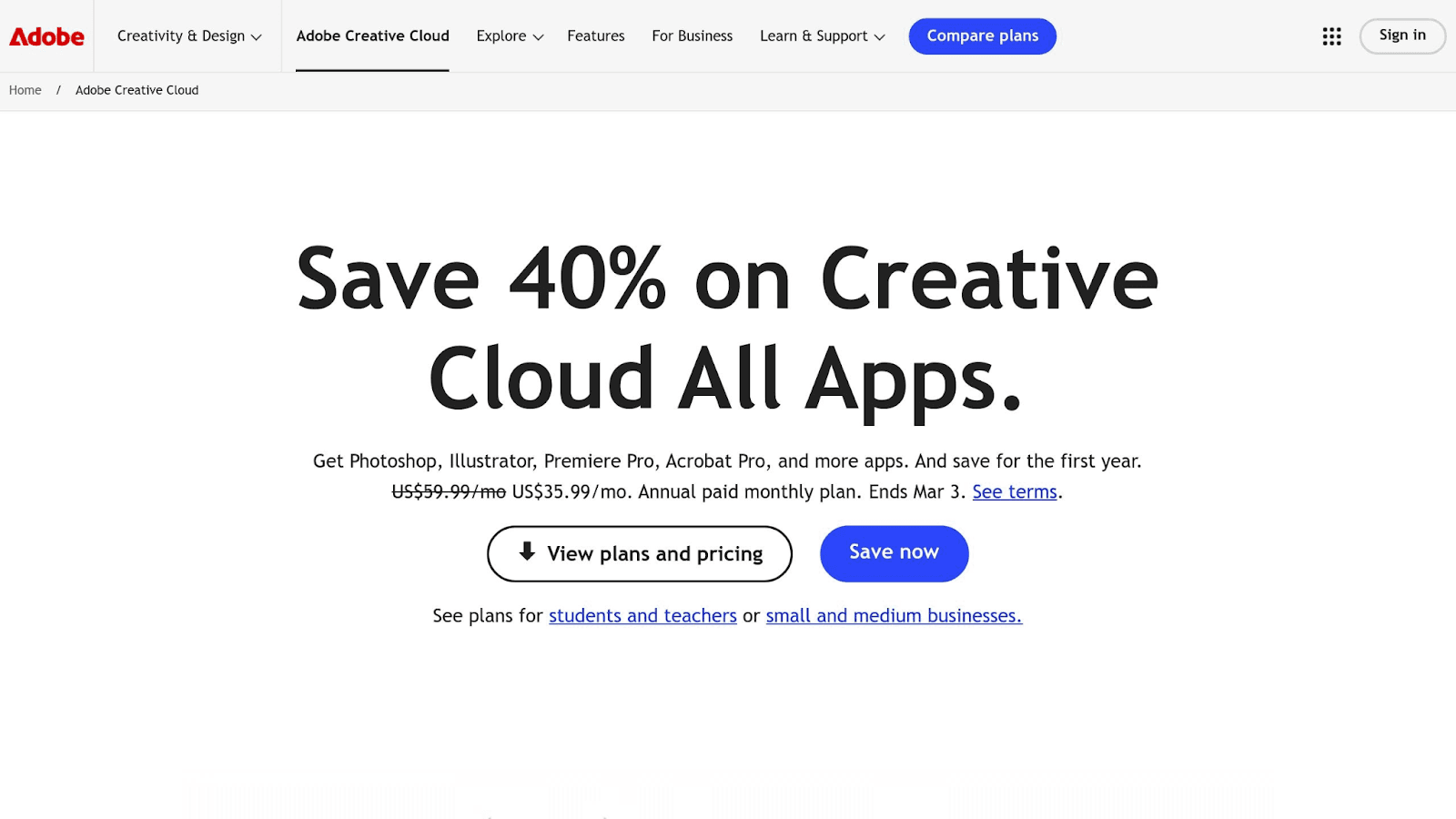
Adobe doesn’t run a “loyalty” program in the classic sense. Instead, it uses tiered memberships to encourage upgrades.
| Plan | Monthly Cost | Benefits | Storage |
|---|---|---|---|
| Free | $0 | Access to Express, Reader | Limited |
| Photography | $9.99 | Photoshop + Lightroom | 20GB |
| Single App | $22.99 | Choose 1 Pro App | 100GB |
| All Apps | $59.99 | 20+ Apps | 100GB |
| Teams | $89.99 | Licenses, 1TB, Admin Tools | 1TB |
Why it works:
- Smooth upgrade paths encourage stickiness
- Educational discounts (66%) help long-term adoption
- Businesses get scalability and collaboration tools
What you can learn: Use product tiers to upsell. Customers feel they’re unlocking more value rather than being “sold” to.
4. Salesforce’s Trailblazer Community
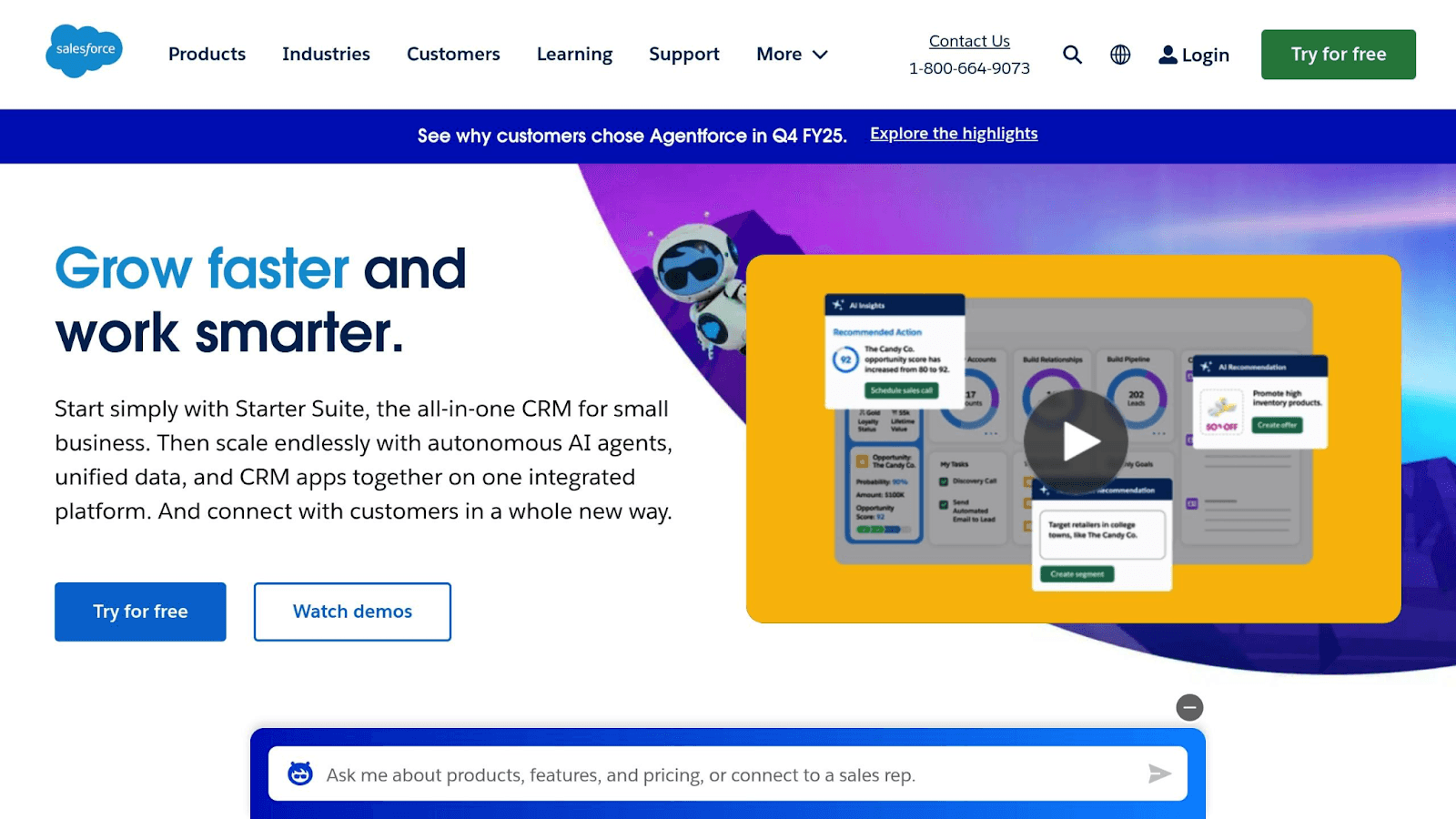
Salesforce built a community-powered loyalty system that delivers serious results:
| Metric | Impact |
|---|---|
| Adoption Rate | 33% higher among community users |
| Customer Spend | 2x more |
| Churn | 3x lower |
| Support Costs | $2M saved monthly |
| Product Discovery | 93% discover new tools via community |
Key features:
- IdeaExchange: 65,000+ ideas submitted
- MVP Program: Peer-to-peer support solves 30%+ of questions
- Certifications: and networking keep users advancing careers
What you can learn: Community loyalty pays dividends in retention, innovation, and upsell potential.
5. HubSpot Academy & Learning Rewards
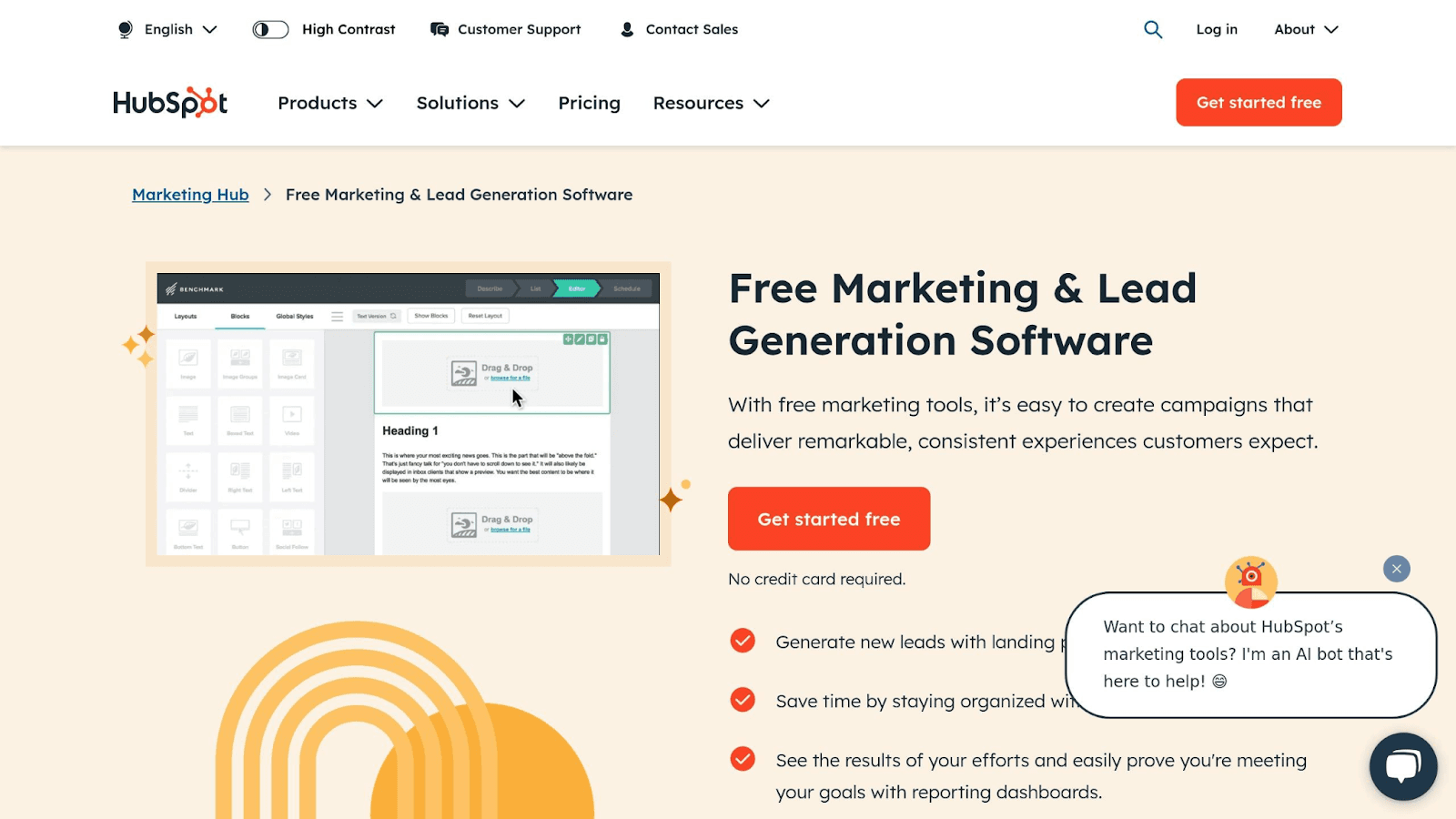
HubSpot flips the script: it makes education the reward.
- 200,000+ active professionals on HubSpot Academy
- 165,000+ course completions
- 60,000+ certifications yearly
- 35% market share in US marketing automation
Users grow professionally through:
- Free, industry-recognized certifications
- Recertification exams to stay sharp
- Community learning sessions and practical exercises
What you can learn: Position your platform as a career-building resource. Educated users are more loyal, refer others, and grow into power users.
6. Zoom’s Gamified Recognition System
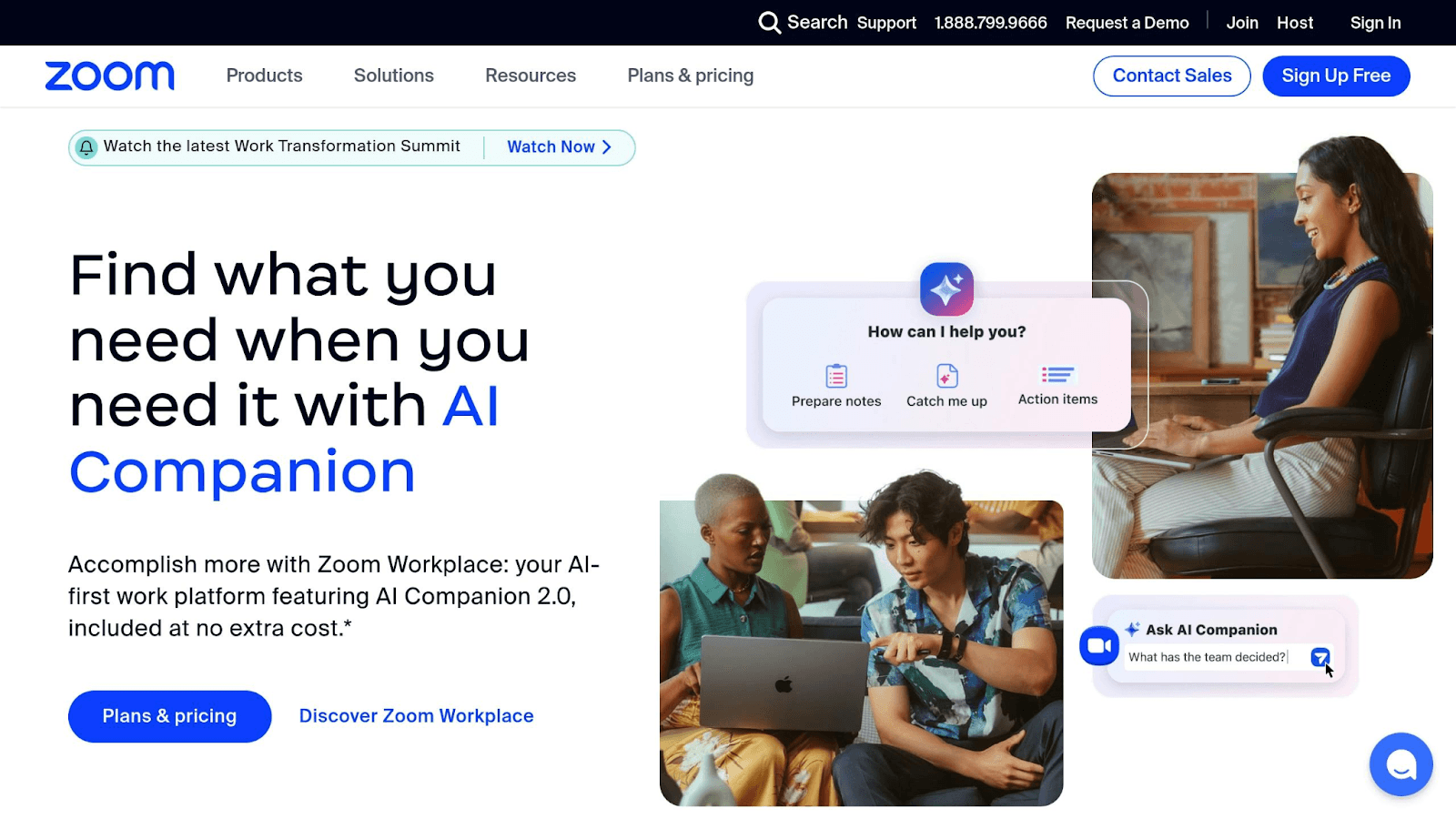
Zoom encourages engagement through its Happy Rewards program.
How it works:
- Earn badges for participation
- Get ranked on real-time leaderboards
- Unlock levels with more privileges
- Extra points for event attendance, screen shares, and community support
It uses LoyaltyMatch AI to verify authentic contributions, keeping the system fair.
What you can learn: Gamification isn’t just for mobile apps. Smart recognition turns users into loyal advocates—especially when linked to visibility and fun.
7. Asana Business Partner Rewards
Asana’s loyalty lies in its partner ecosystem:
| Partner Type | Benefit |
|---|---|
| Solutions | Full-lifecycle support, training |
| Resellers | High-margin deals, lead sharing |
| Integrators | Access to AI workflows, co-marketing |
With advanced tools like AI Studio and the Partner Academy, Asana rewards collaboration and global reach—operating in 30+ countries.
What you can learn: Your partner network can be your loyalty program. Give them the tools and visibility to grow with you.
Want to Build Loyalty Like This Without Coding?
Here’s the thing. All these loyalty programs? They took time, money, and developer muscle to build. But you don’t need that anymore.
With PLG OS, you can build and launch in-app loyalty experiences in under 30 seconds.
- Want to trigger a reward after someone completes onboarding? Done.
- Need a streak tracker to boost engagement? You got it.
- Looking to build a referral system with live feedback? Easy.
No dev time. No product backlog delays. Just powerful plug-and-play loyalty modules for your SaaS or app.
Ready to launch your loyalty program the smart way?
👉Book a call today and keep your users coming back for more.
FAQs
Q1: What is a SaaS loyalty program?
A SaaS loyalty program rewards users for engaging with your product, referring others, or reaching milestones—helping improve retention and drive long-term growth.
Q2: How does Dropbox’s referral program work?
Dropbox offers storage space as a reward. Users earn up to 32GB by referring others who sign up, install the app, and verify their email.
Q3: What makes Slack’s loyalty model unique?
Slack uses billing credits for inactive users and relies on third-party tools like Matter for peer recognition—encouraging engagement and transparency.
Q4: How does PLG OS help with loyalty programs?
PLG OS lets you create and launch personalized in-app loyalty experiences—like referral flows, gamified rewards, and badges—without writing code.
Q5: Why are community-driven programs like Salesforce's effective?
They turn users into advocates by offering support, recognition, and networking—building trust, reducing churn, and boosting product adoption.