6 Customer Retention Strategies From Leading Companies
Getting a new customer is costly, five times more expensive than keeping an old one. Many companies, meanwhile, ignore the gold mine that is their current client base in favor of concentrating disproportionately on new sales. Long-term success really depends on customer retention.
Leading firms have perfected this method by applying highly customized, creative, data-driven, and imaginative approaches to keep consumers returning. What then might the greatest teach us?
Let's explore six customer retention techniques by leading companies, ones your company can start right now.
What is Customer Retention?
Keeping current customers coming back to buy more of your goods or services is called customer retention. If you can keep your customer retention rate high, people will stick with your product for a long time. You can find out if your customers are loyal to your business by using the customer retention rate method.
The customer retention rate formula is a very easy way to figure out how many people you still have. You can use three pieces of information to figure out retention:
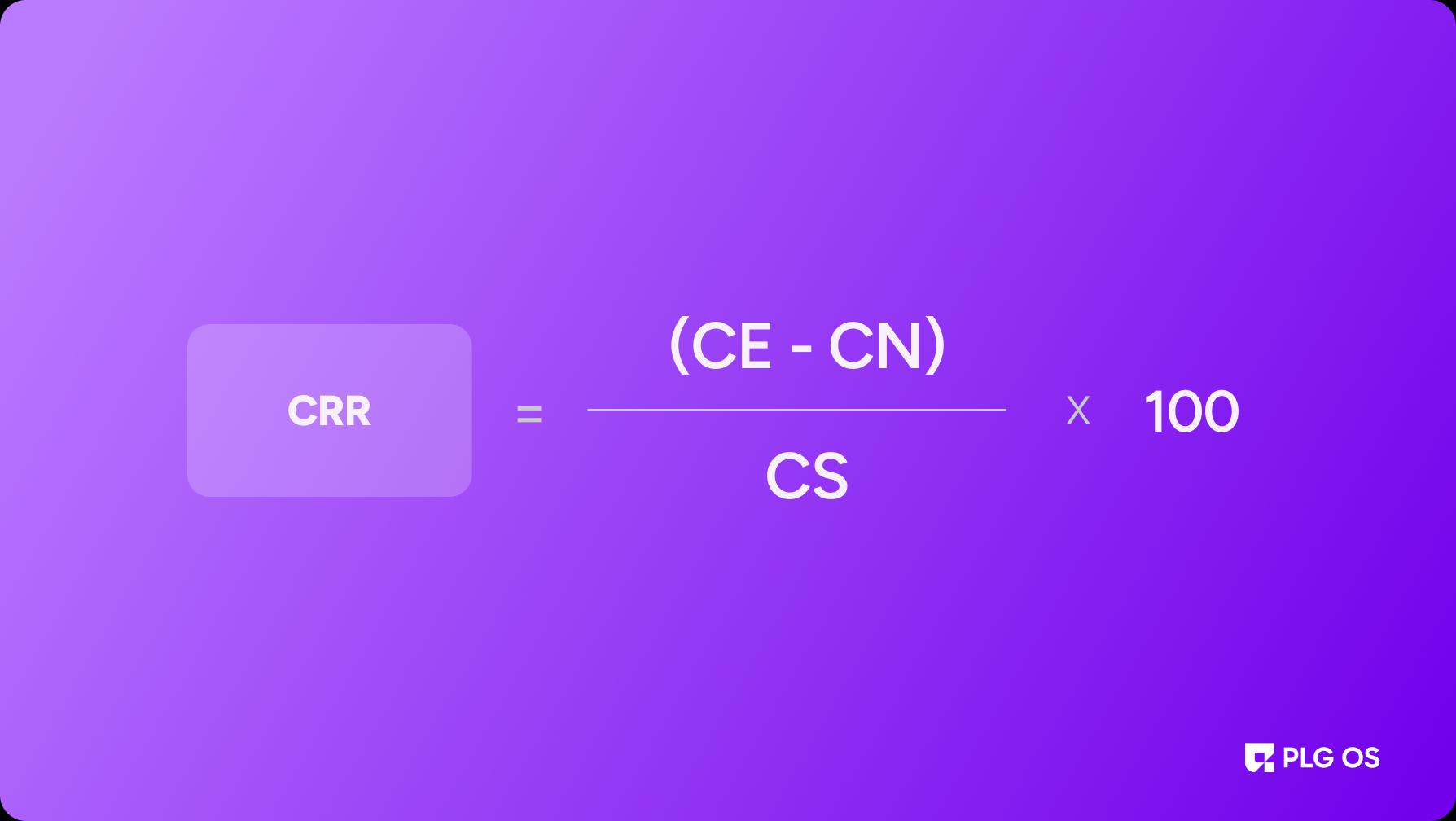
CE - the number of customers at the end of the period measured
CN - the number of new customers during the period
CS - the number of customers when the period started
Why is customer retention important?
Many companies fail to prioritize customer retention, even though it should be their top priority if they wish to continue growing. We have previously established that keeping current consumers is more economical than finding new ones. Loyal clients are more valuable than new ones because they spend more and bring in more business.
The Harvard Business Review reports that a little improvement of just 5% in client retention can have a substantial impact on profit growth. Reason being, devoted consumers are more valuable over the long run and less expensive to acquire.
Retention and loyalty are interdependent. Customers who are happy with their purchases are more inclined to buy from you again and will even promote your business to others. Beyond the obvious benefits of increased sales, they will also likely become vocal supporters of the brand, which is hard to put a price on. If you put their happiness first, they will gladly assist you in expanding your consumer base.
According to McKinsey's Customer Experience and Loyalty Report 2024, companies that focus on creating unique and memorable experiences for their customers are more likely to attract and retain loyal customers. Also, even for companies that struggle to stand out, customer service is a key factor in retention and long-term success, according to a Deloitte analysis.
6 Customer retention strategies from the leading companies
1. Deliver Value From Day One (HubSpot’s Onboarding Mastery)
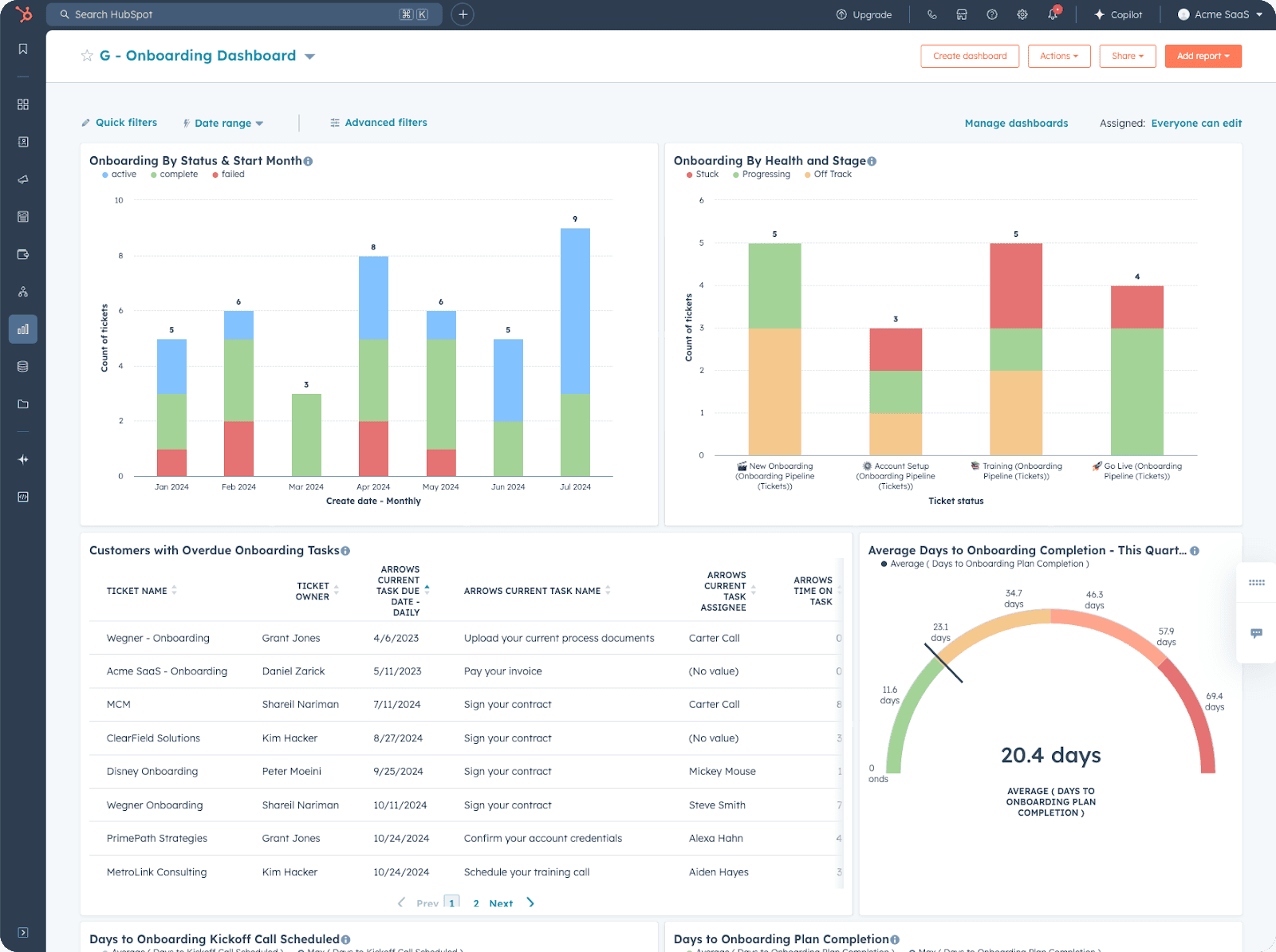
Why it works: First impressions matter. A great onboarding experience ensures customers see immediate value, making them more likely to stick around.
How HubSpot Does It:
HubSpot, a leader in marketing automation, excels at onboarding by guiding users through a seamless experience from the moment they sign up. Their strategy includes:
- Personalized welcome emails with clear next steps.
- Interactive product tours that show users how to get started quickly.
- Helpful content and tooltips to prevent users from feeling lost.
- Dedicated customer success managers for enterprise clients to ensure high engagement.
How You Can Apply This:
- Create a smooth, intuitive onboarding flow with tooltips, tutorials, or product walkthroughs.
- Send a series of well-timed emails that guide users toward key features.
- Offer live chat support or AI-driven chatbots to assist new users.
- Use milestone-based onboarding—reward users for completing setup steps.
The easier you make it for customers to experience value, the more likely they are to stay.
2. Leverage the Power of Community (Slack’s User-Driven Retention)
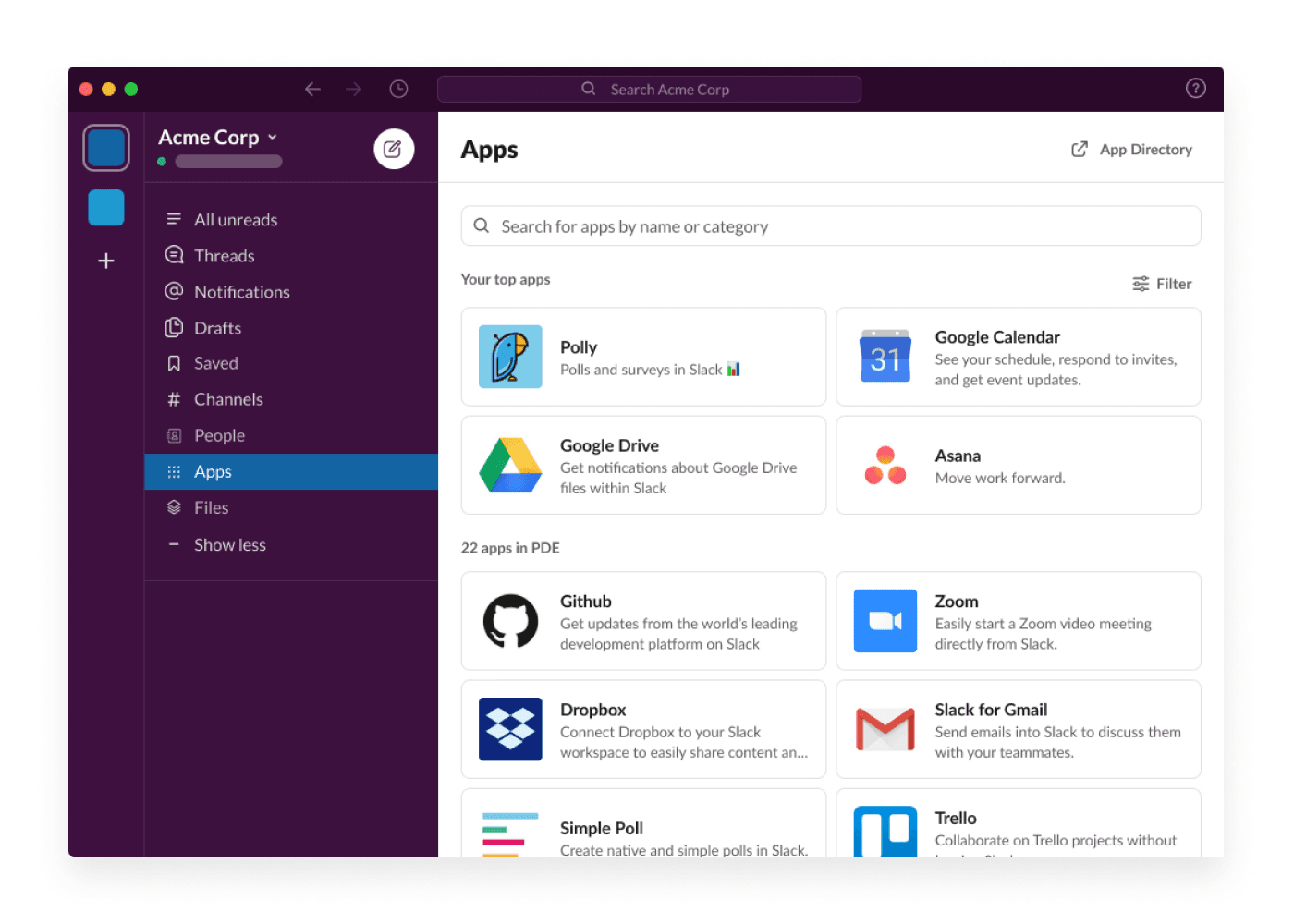
Why it works: When users feel like they’re part of a community, they’re less likely to leave.
How Slack Does It:
Slack turned a simple messaging platform into an indispensable collaboration tool by building a strong user community. They foster engagement by:
- Encouraging companies to create private Slack groups for internal communication.
- Hosting public Slack communities where users can share best practices.
- Creating dedicated customer success teams to engage with high-value accounts.
- Providinginteractive webinars and Q&A sessions where users can connect and learn.
How You Can Apply This:
- Build a user forum or an exclusive customer community where users can interact.
- Encourage peer-to-peer learning through community events, Slack groups, or LinkedIn groups.
- Offer incentives for power users to engage with new customers.
- Host regular AMAs (Ask Me Anything) or live product demos to keep users engaged.
A strong sense of belonging increases retention—customers who feel like they “own” a space in your platform are far less likely to leave.
3. Make Customer Support Your Superpower (Zendesk’s White-Glove Service)
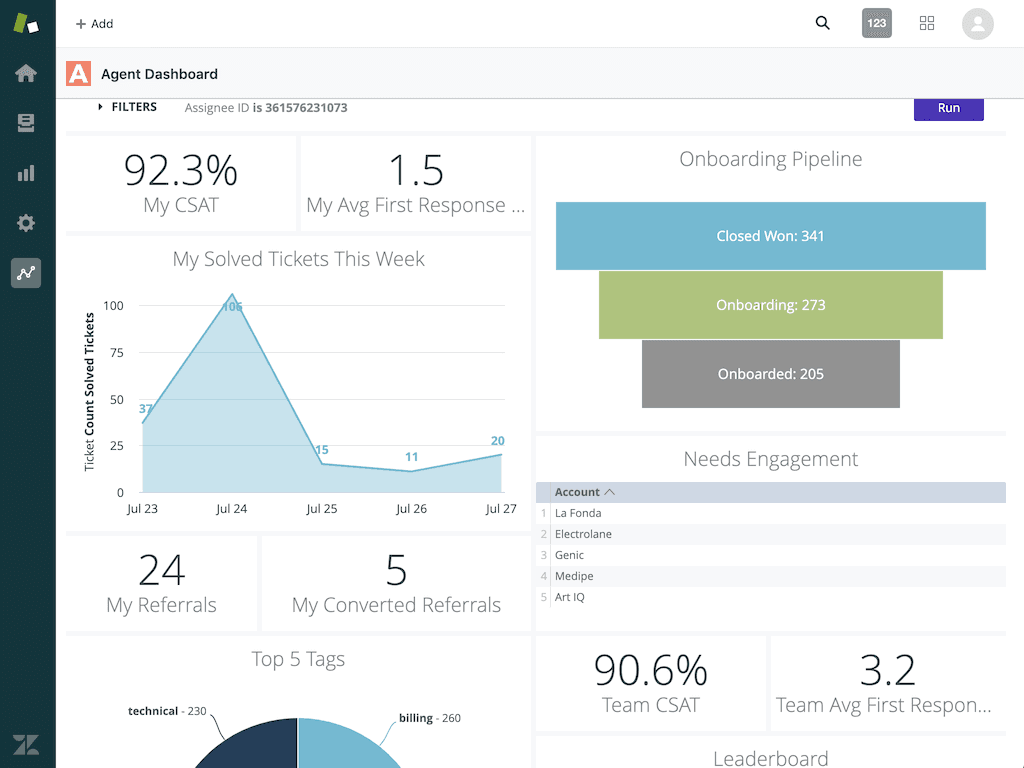
Why it works: No matter how great your product is, customers will have questions. Fast, efficient, and empathetic support can be the difference between churn and loyalty.
How Zendesk Does It:
Zendesk, a customer service SaaS giant, knows that customers who receive stellar support are more likely to remain loyal. They focus on:
- Omnichannel support (email, live chat, phone, and self-service options).
- AI-powered chatbots that provide instant answers to common questions.
- Proactive customer outreach, where users struggles with a feature, Zendesk reaches out before they submit a ticket.
- Customer success teams dedicated to key accounts, ensuring personalized support.
How You Can Apply This:
- Offer multichannel support so customers can reach you however they prefer.
- Use AI chatbots for quick responses but always provide a human support option.
- Implement proactive support by identifying potential pain points through analytics.
- Build a comprehensive knowledge base so users can find answers easily.
Exceptional support isn’t just about fixing problems—it’s about making customers feel heard, valued, and supported.
4. Reward Customer Loyalty (Dropbox’s Referral & Retention Model)
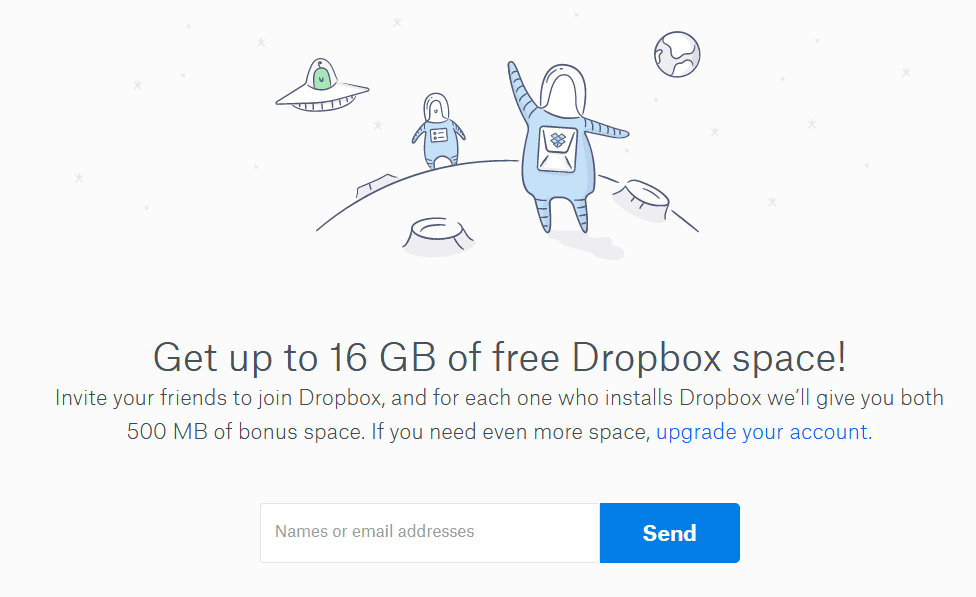
Why it works: When customers feel appreciated, they’re more likely to stay and even bring others on board.
How Dropbox Does It:
Dropbox famously grew exponentially by leveraging a simple yet effective referral program that rewarded existing users for inviting friends. But they didn’t stop there. Their retention strategy includes:
- Gamified referral incentives, users get more storage space for each successful invite.
- Exclusive perks for loyal customers, such as early access to new features.
- Personalized upgrade offers based on usage patterns.
- Celebrating customer milestones, like when users hit certain storage or sharing goals.
How You Can Apply This:
- Implement a referral program that rewards both existing and new customers.
- Recognize milestones, send a thank-you email when users hit a certain usage level.
- Offer exclusive discounts or features for long-term customers.
- Gamify retention, give rewards for consistent logins, feature use, or upgrades.
Loyalty should never go unnoticed. A well-designed rewards program can turn happy users into brand advocates.
5. Data-Driven Personalization (Netflix’s AI-Backed Engagement Tactics)
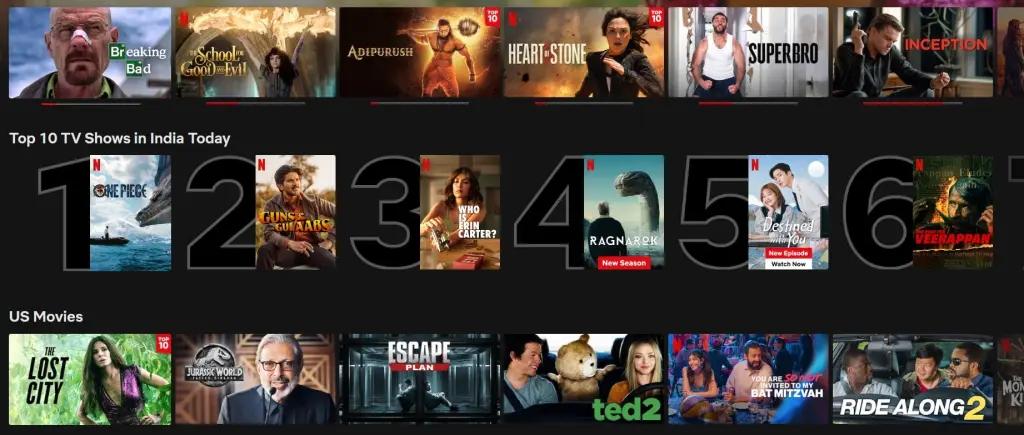
Why it works: Customers expect businesses to anticipate their needs. Personalized experiences increase engagement and make users feel valued.
How Netflix Does It:
While Netflix is a streaming service, its AI-driven personalization is a lesson SaaS companies can learn from. Netflix keeps users hooked by:
- Recommending content based on individual viewing habits.
- Sending personalized emails about new releases that match a user’s interests.
- Using behavioral analytics to suggest relevant content before users lose interest.
- Re-engaging inactive users with “We miss you” messages or discounts.
How You Can Apply This:
- Use customer data to provide personalized feature recommendations.
- Send targeted emails based on user behavior (e.g., “You haven’t used X feature in a while—here’s how to maximize it”).
- Implement in-app suggestions to guide users toward features they haven’t tried.
- Segment users and offer personalized discounts or upgrades.
Customers appreciate when a product feels tailor-made for them, making them more likely to stay engaged.
6. Continual Product Evolution (Salesforce’s Commitment to Innovation)
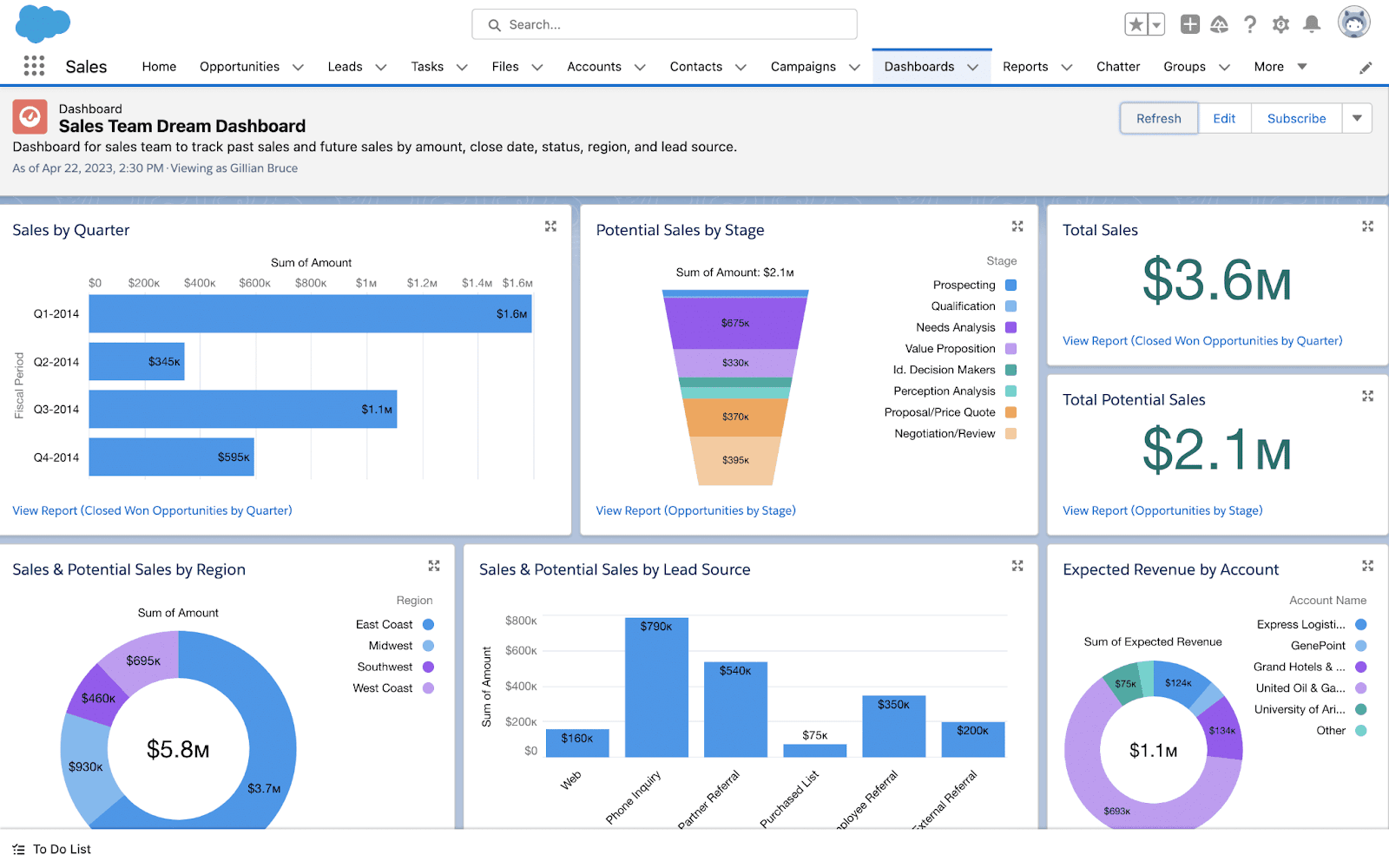
Why it works: If your product remains stagnant, customers will look elsewhere. SaaS companies that continuously improve and innovate keep users engaged.
How Salesforce Does It:
Salesforce, a CRM giant, has remained relevant by always evolving. They achieve this by:
- Releasing frequent product updates that improve user experience.
- Actively gathering customer feedback and implementing requested features.
- Hosting user conferences and events to showcase new innovations.
- Providing detailed roadmaps so customers know what’s coming next.
How You Can Apply This:
- Make customer feedback a priority—send surveys, analyze reviews, and act on suggestions.
- Regularly release updates that improve user experience.
- Offer a beta program where loyal users can test new features.
- Keep users in the loop with transparent product roadmaps.
When customers see that a product is continuously improving, they’re more likely to stay rather than look for alternatives.
Final Verdict
Customer retention can be the lifeline of a business, saving it from drowning and making it thrive again in the industry. The customer retention strategies we discussed aren’t just normal business processes; it’s about creating experiences that keep customers coming back, not just once, but time and again.
By prioritizing customer retention, you are building a community of satisfied customers who push your business to excel in this competitive market. Remember, customer retention is always cheaper than customer acquisition. Also, the contribution of retained customers to a business’s success is paramount.
To improve customer retention rate, all you have to do is focus on delivering excellent customer service, and it is possible with a solution like PLG OS. Using this platform, you can constantly be there for your customers and their problems. You can provide instant solutions, and all this will automatically impact the customer retention rate. Book a call today!!
FAQs
1. What is the most effective customer retention strategy for SaaS companies?
There’s no one-size-fits-all approach, but a strong onboarding experience is one of the most effective ways to retain customers. When users see immediate value, they’re more likely to stay engaged.
2. How can SaaS companies reduce customer churn?
Reducing churn requires proactive customer support, personalized engagement, and continuous product improvements. Analyzing churn data to identify pain points also helps in taking preventive action.
3. Why is community building important for SaaS customer retention?
A strong community fosters a sense of belonging, making customers feel invested in the product. It also encourages peer-to-peer learning and support, reducing reliance on customer service teams.
4. How does AI-driven personalization help with customer retention?
AI-driven personalization improves user engagement by recommending relevant features, sending tailored emails, and re-engaging inactive users, making the product feel more valuable to individual users.
5. What role does customer feedback play in retention?
Customer feedback helps SaaS companies identify gaps, improve features, and make data-driven decisions. Regular updates based on user suggestions show customers that their opinions matter, increasing loyalty.