9 Effective Customer Engagement Marketing Strategies
Engaging customers isn’t just about selling; building relationships keeps them returning for more! Customers today want more than just great products. They want to interact with brands meaningfully, have personalized experiences, and feel like they have a real relationship with those brands. Then, how do you keep them interested?
Here are 15 powerful ways to connect customers to turn casual buyers into loyal fans. They range from gamification and storytelling to AI chatbots and social media magic. Are you ready to get people more interested in your brand and make them feel like they are truly valued? We should begin immediately because engagement isn't a one-time event; it's a never-ending process!
What is customer engagement?
Customer engagement is how actively and frequently a consumer interacts with a brand's product or service. Its purpose is to promote interactive experiences that satisfy customers' demands, improve their impression of the brand, and inspire loyalty through constant two-way connection.
Despite it being vital to positive customer engagement, only 15% of surveyed companies were found to be customer-obsessed. The goal is to boost engagement, increase engagement, generate revenue, and increase customer advocacy by using tactics including tailored messages, real-time support, and interactive content.
Why do you need customer engagement marketing strategies?
Does it matter if customers are engaged?
Customer retention is the lifeblood of every software service company. Making a sale is just the beginning; a strong customer engagement marketing plan is essential for maintaining strong customer relationships and encouraging loyalty.
Furthermore, there are additional justifications for prioritizing customer engagement:
- As engaged, consumers transform into loyal ones, customer turnover is reduced.
- Stronger client loyalty as a result of ongoing engagement.
- An uptick in good word-of-mouth advertising from delighted and involved consumers, leading to more brand advocacy.
- As more people use your app, you'll see an increase in product adoption.
- As you engage with customers and gather insights from customer analytics, you'll better understand their requirements, preferences, and habits.
- More renewals and upgrades lead to more revenue.
- As consumers interact with your goods, an engagement plan opens the door to upselling and cross-selling possibilities.
9 Effective Customer Engagement Marketing Tactics
Email personalization
Email personalization extends beyond just addressing the recipient by name. Create material that speaks to their interests, behaviors, hobbies, and goals based on their past purchases. Customers are more inclined to engage with you when you personalize your emails to them. This is because it shows that you've made an effort to understand their requirements and preferences.
This goes beyond making a sale; it's about establishing a connection that makes buyers feel like they're a part of your brand's narrative. Deeper connections, more beneficial conversations, and a dedicated client base that sees your company as a partner in their success can be yours with personalized emails.
Interactive email widgets
Mixmax's convenient email engagement features, such as one-click polls and surveys, helps to increase response rates. To save time and effort, you may incorporate polls and surveys into your email content. This way, your prospects and customers can simply click on the links to provide their answers.
By streamlining the feedback process, this not only boosts engagement rates but also gives vital information into customer preferences and habits.
Multichannel outreach
Engage in conversations across several platforms. Customers can be reached through a variety of channels, including email, social media, phone, and even short message service (SMS). Multichannel marketing entails addressing them where they are.
Mixmax allows you to automate your outreach over several channels by allowing you to set up multi-channel sequences.
Data Analysis
Investigate the information you have on client encounters, sales, and comments. You may tailor your engagement methods to meet consumer expectations and increase happiness by analyzing patterns to discover preferences.
Here are a few examples of metrics you can track and analyze to boost customer engagement:
- Keep tabs on how many people read, click, and respond to your emails so you can see how well your communication and follow-up tactics are doing.
- Find out which of your customers or prospects is the most (or least) engaged and act accordingly (e.g., if a customer or prospect is very engaged and has opened your emails multiple times, give them a call or send them a well-timed email to check in).
- Sales conversion rates: Look at the percentage of leads that turn into real sales to see how well your sales techniques and interactions with customers are working.
- Rates of customer retention: Keep track of how many customers keep using your product or service over time. This can show how well your customer success efforts are working.
- Success with upsells and cross-sells: You should figure out which strategies work best to get customers to buy more features or goods.
- Analysis of outbound sequences: Check to see which outbound contact sequences (calls, emails, and follow-ups) get the most engaged customers and sales.
- Rates for renewal: Look at how often and consistently subscriptions or services are renewed to see if a customer is committed to staying with you for a long time.
- Analysis of customer feedback: Look at customer comments in a planned way to find common themes or problems that need to be fixed.
Educational materials
Distribute informative and useful material that enlightens consumers on issues such as industry trends, pain points, and related subjects. You can build trust and authority in your brand with this nurture-based strategy that positions it as a helpful resource.
Here are a few examples of metrics you can track and analyze to boost customer engagement:
- Keep tabs on how many people read, click, and respond to your emails so you can see how well your communication and follow-up tactics are doing.
- Find out which of your customers or prospects is the most (or least) engaged and act accordingly (e.g., if a customer or prospect is very engaged and has opened your emails multiple times, give them a call or send them a well-timed email to check in).
- Sales conversion rates: Look at the percentage of leads that turn into real sales to see how well your sales techniques and interactions with customers are working.
- Rates of customer retention: Keep track of how many customers keep using your product or service over time. This can show how well your customer success efforts are working.
- Success with upsells and cross-sells: You should figure out which strategies work best to get customers to buy more features or goods.
- Analysis of outbound sequences: Check to see which outbound contact sequences (calls, emails, and follow-ups) get the most engaged customers and sales.
- Rates for renewal: Look at how often and consistently subscriptions or services are renewed to see if a customer is committed to staying with you for a long time.
- Analysis of customer feedback: Look at customer comments in a planned way to find common themes or problems that need to be fixed.
Educational materials
Distribute informative and useful material that enlightens consumers on issues such as industry trends, pain points, and related subjects. You can build trust and authority in your brand with this nurture-based strategy that positions it as a helpful resource.
Some examples of consumer material that is both educational and interesting are:
- Customer success articles
- Tutorial videos
- Product newsletters
- Product usage reports
- Blog posts
- Webinars(more on this later)
- Podcasts
- Industry guides and reports
- Infographics
Making an email nurture sequence for your clients after you've determined what kinds of content they're most interested in will boost the exposure of your content and potentially improve the number of people who see your brand.
Timely Emails
You may find the optimal time to send emails by studying client habits and preferences. You may boost the likelihood of engagement by sending emails at times when clients are more open to receiving them.
The AI Smart Send function in Mixmax, for example, analyses your history of contacts with clients and prospects to determine the optimal times to send an email.
Conduct structured reviews with clients on a quarterly basis to talk about their product or service usage, problems they've encountered, and future goals. Relationship building and the discovery of upsell/cross-sell possibilities can both be aided by these reviews.
Quarterly Business Reviews (QBRs)
Just because you read about it in a quarterly review doesn't mean you have to do one every quarter. Maintaining a positive relationship with your clients requires regular check-ins, at least twice a year (or more frequently if that works better for you).
You can have automatic emails sent to your clients at predetermined times to see how they are doing. Even though they are part of a sequence, personalization should still be done .
Collecting Feedback
Create a method to track consumer feedback across all interactions and analyze it. Make consistent use of this input to enhance your product offers and client service.
It could be challenging to arrange a meeting with clients, but sending out surveys is the most straightforward approach to gather their opinion.
You can use PLG OS to streamline your feedback and surveys process. It helps you to customize and gain customer engagement.
Chatbots for customer service
Intelligent chatbots can be used to help buyers right away. These bots can answer and solve common questions and problems quickly, freeing up your customer service team to work on more complicated problems.
This can be set up with apps like PLG OS.
Successful customer engagement examples
Customer engagement is a game-changer for SaaS brands. The best companies don’t just offer great software, they create experiences that keep users hooked, happy, and loyal.
1. HubSpot: Personalized Onboarding & Free Educational Content
How They Engage:
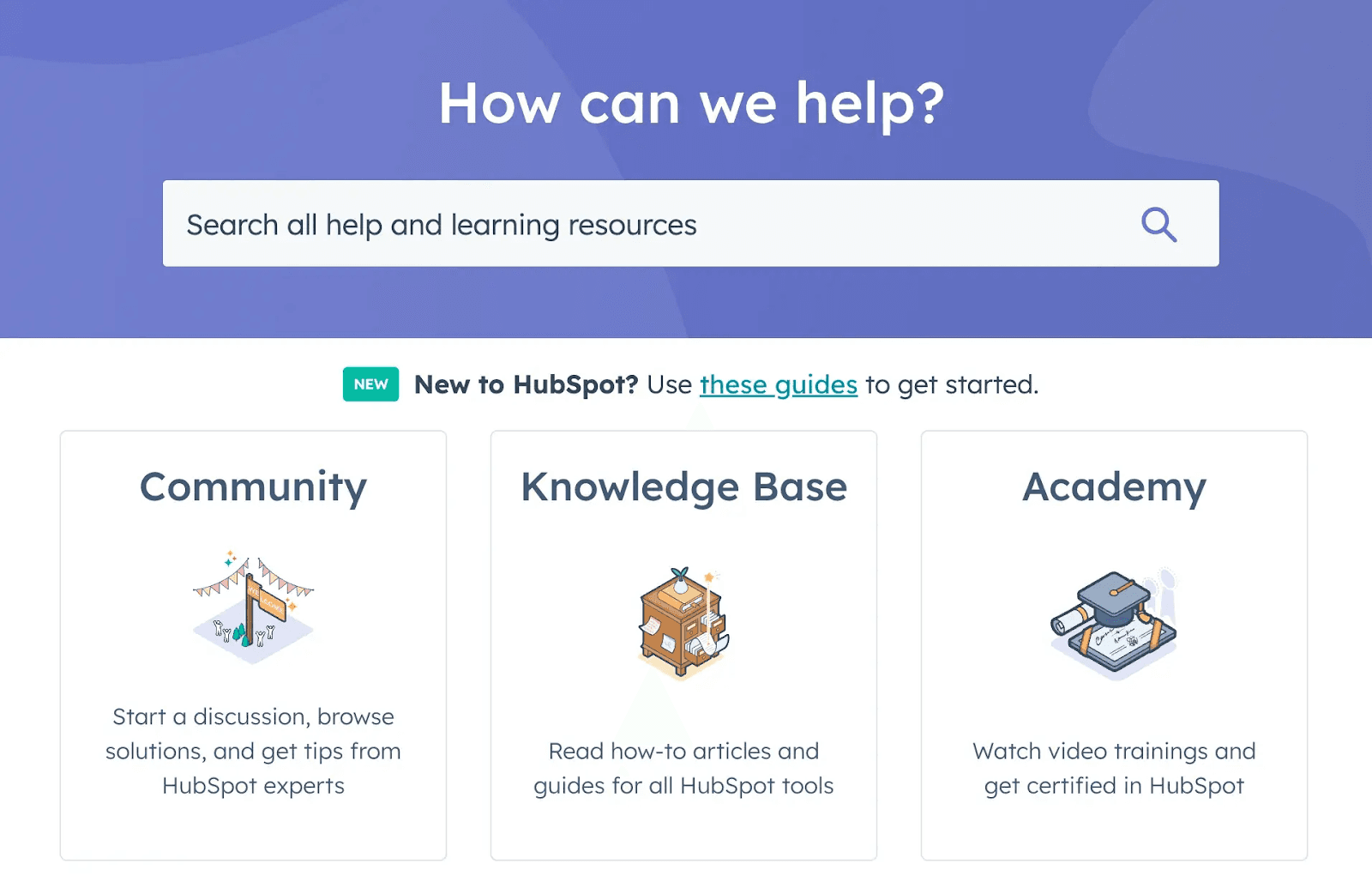
HubSpot, a leader in CRM and inbound marketing, goes beyond just selling software. They provide personalized onboarding and a massive library of free resources through HubSpot Academy.
Why It Works:
- Personalized product recommendations help users get the most out of the platform.
- Free marketing and sales courses position HubSpot as a trusted thought leader.
- Engaging onboarding emails and interactive tutorials reduce churn.
Lesson: Educate your customers, don’t just sell to them. A well-structured onboarding process increases adoption and long-term engagement.
2. Slack: Seamless Communication & Community Building
How They Engage:
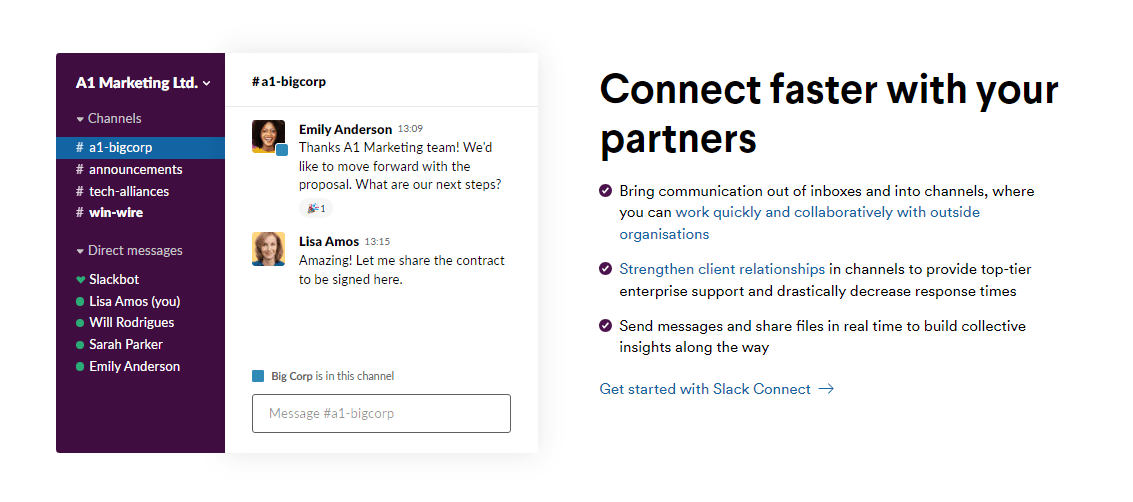
Slack transformed workplace communication by making interactions feel fun and effortless. Their intuitive interface, smart notifications, and Slackbot assistant help new users get started quickly.
Why It Works:
- The Slack community connects users for networking and support.
- Playful notifications and personalized onboarding make the experience engaging.
- Continuous feature updates based on user feedback keep users excited.
Lesson: Make your platform interactive and community-driven. Engaged users don’t just use your product—they advocate for it.
3. Dropbox: Gamified Referral Program
How They Engage:
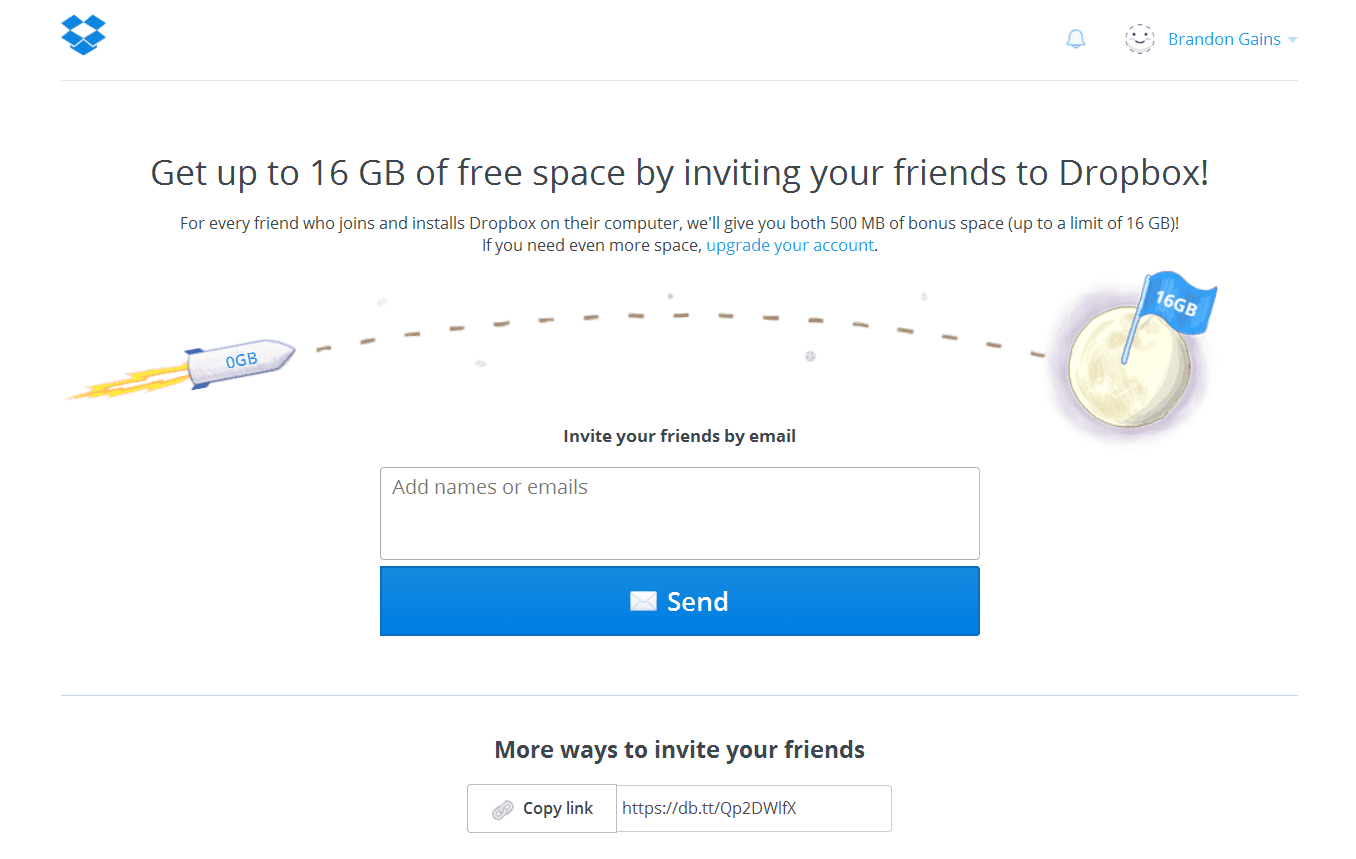
Dropbox turned customer referrals into a game—offering free storage space for every successful invite. This viral strategy skyrocketed their user base from 100,000 to 4 million in just 15 months!
Why It Works:
- Gamification taps into human psychology, people love free rewards.
- Users become brand ambassadors by inviting friends.
- Engagement grows naturally without expensive ad campaigns.
Lesson: Make engagement rewarding and shareable. A strong referral program fuels word-of-mouth growth.
4. Notion: User-Generated Templates & Community Engagement
How They Engage:
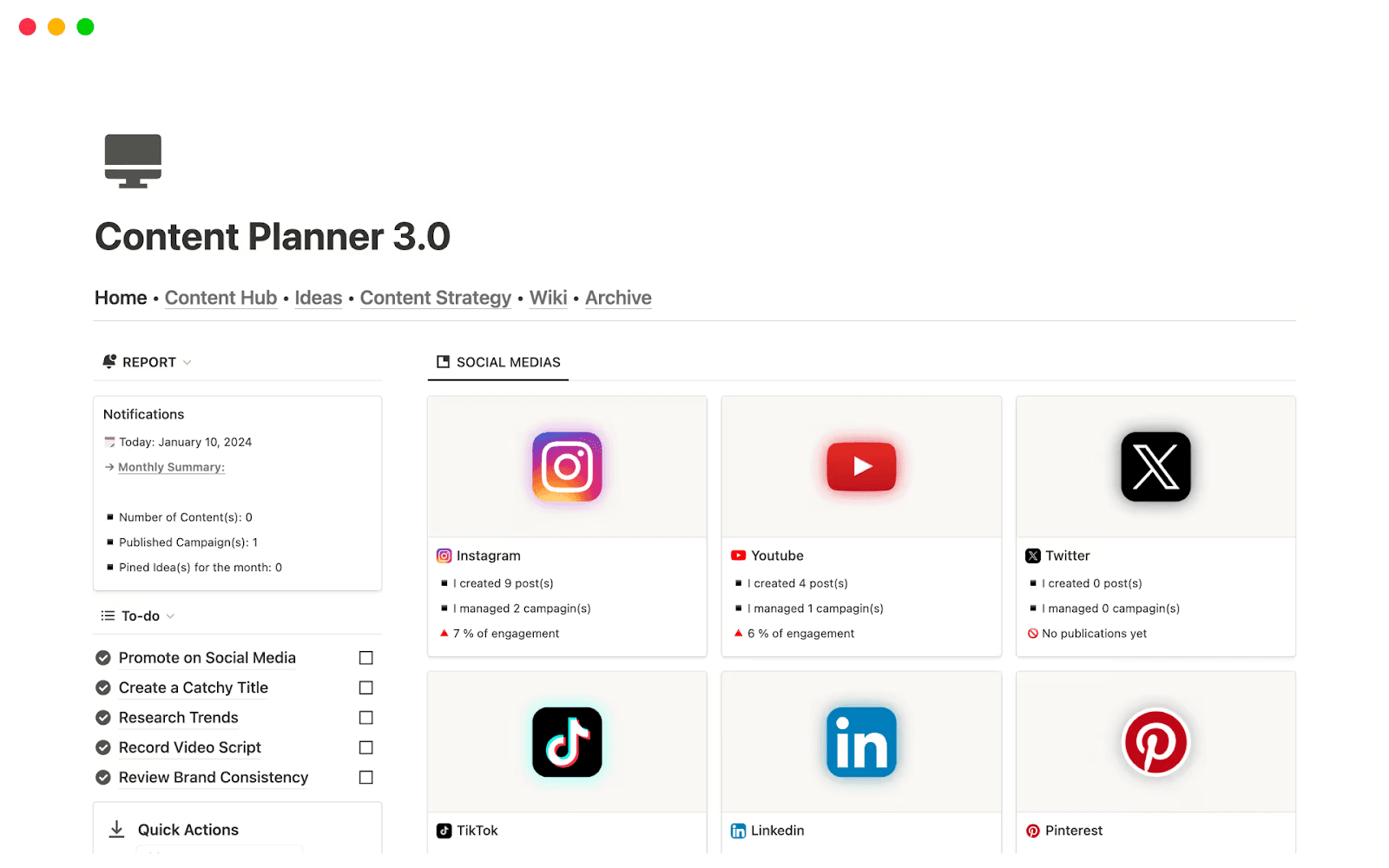
Notion, the all-in-one productivity tool, encourages users to create and share templates, making engagement collaborative and dynamic.
Why It Works:
- Users feel empowered by contributing to the platform.
- The Notion community fosters discussions and knowledge sharing.
- The brand constantly interacts with users on social media and Discord.
Lesson: Let users shape your product. Community-driven engagement creates brand advocates.
5. Zoom: Freemium Model & Virtual Events
How They Engage:
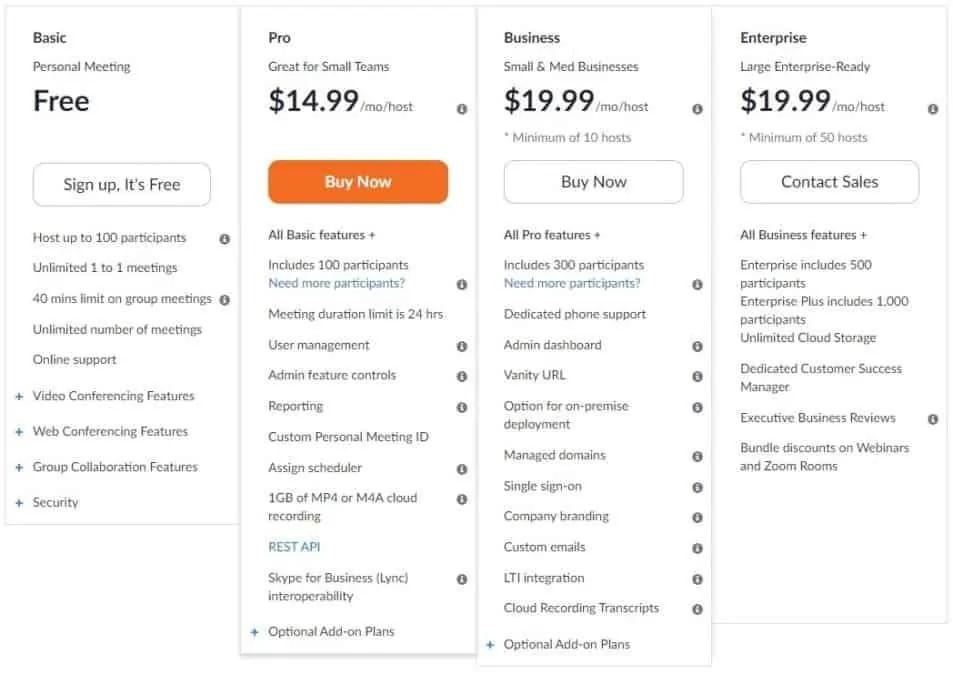
Zoom keeps users engaged by offering a generous free plan and hosting virtual events like Zoomtopia, their annual user conference.
Why It Works:
- Free users experience the platform before upgrading.
- Exclusive webinars and events create a sense of belonging.
- Personalized customer support enhances engagement.
Lesson: Offer free value and exclusive experiences to keep users engaged.
Conclusion
Customer engagement isn’t about one single strategy—it’s a combination of various tactics working together to create meaningful, long-term relationships with your audience.
- Want to boost customer loyalty? Focus on personalization and loyalty programs.
- Looking for real-time engagement? Try live streaming, social media, and chatbots.
- Want to stand out? Incorporate gamification, storytelling, and AR experiences.
The key is to keep evolving and adapting to customer expectations. Which of these strategies will you implement first? Book a call with us today and let’s get your customers engaged.
FAQs
1. What is customer engagement in marketing?
Customer engagement refers to how brands interact with customers to create meaningful relationships. It includes personalized communication, community building, and rewarding experiences to boost loyalty and satisfaction.
2. Why is customer engagement important for SaaS brands?
Engaged customers are more likely to stay subscribed, refer others, and explore premium features, reducing churn and increasing lifetime value.
3. What are some easy ways to improve customer engagement?
Use personalized emails, interactive content, loyalty programs, social media interactions, and AI chatbots to enhance engagement.
4. How does gamification help in customer engagement?
Gamification makes engagement fun by offering rewards, points, or achievements, encouraging users to interact more with your brand.
5. What’s the best way to measure customer engagement?
Track key metrics like retention rate, NPS (Net Promoter Score), time spent on the platform, and customer feedback.