What is Omnichannel Customer Engagement and How to Improve It
Customers no longer only use one way to connect with brands. During lunch, they might peruse your website; later that night, they might click on an Instagram ad; finally, before they go to sleep, they might complete their purchase through a mobile app. On the other hand, they can get a reminder the same day through push notifications, WhatsApp, or email.
Organisations still using antiquated communication methods cannot compete in today's interconnected market. Customers nowadays want a unified experience that doesn't change no matter where they are or what device they're using, rather than having to start over at each new point of contact.
Customer engagement across all channels is the key here. It's not just a passing marketing fad; it's a method for strengthening customer relationships, boosting sales, and protecting your brand against future challenges.
Let's check what omnichannel engagement is and why it's essential to the customer experience.
Okay, let's get started.
What is omnichannel customer engagement?
When a consumer interacts with a company across many channels, it's called omnichannel customer engagement. The idea behind omnichannel engagement is to make it so customers don't notice a difference when switching between channels and devices. You want these exchanges to feel seamless.
Since the pandemic, more than 33% of Americans have regularly used omnichannel features like buying online and picking up in-store. Nearly 67% of these individuals plan to keep using these services.
One example is when someone is talking to a robot on a website and is put on hold by a customer service rep. The rep should already know what was said in the previous conversation and not make the person repeat things and "start over."
Why is an Omnichannel Customer Engagement Strategy Important for Businesses?
Omnichannel customer engagement goes beyond being a fad. Instead, it refers to a method of strategic customer connection that prioritises the constant and personalised delivery of a consistent experience across various channels. Businesses are responsible for providing consistent quality service to clients regardless of the channel they communicate through, be it social media, email, chat, phone, or in-person interactions.
For contact centres, omnichannel customer engagement is of the utmost importance. 73% of retail shoppers now interact with multiple channels. Modern customers anticipate a frictionless experience from start to finish, regardless of the channel they choose to interact with a brand. For this reason, companies must have an omnichannel strategy.
Personalised Customer Experience: Businesses may tap into data insights from many channels to personalise customer interactions, making them happier overall.
Exceed Customer Expectations: Customers are likelier to be loyal and vocal advocates when you exceed their expectations by meeting them where they are and giving them consistent service across all touchpoints.
Create Loyal Customers: Customers are more likely to become brand champions and generate more business and recommendations when they have a positive and frictionless experience with your company.
Customer Retention: Businesses can achieve higher customer retention rates by proactively meeting client demands and offering convenient communication alternatives.
“Transforming customer engagement is not just about being present; it’s about seamlessly integrating channels and simplifying operations. With NobelBiz OMN+, we empower businesses to navigate the complexities of omnichannel communication effortlessly, from orchestrating campaigns to monitoring performance, all within a unified dashboard.” – Christian Montes, Executive Vice President of Client Operations @NobelBiz.
Benefits of omnichannel customer engagement
1. Ensure uniformity and customisation across all platforms
Every group uses the same reliable data source when implementing an omnichannel approach for client engagement. Put another way, teams aren't working in isolation when it comes to understanding customer behaviour. They're not limited to using data from their channels.
Thanks to all these moving parts, you won't get outdated or irrelevant messages; instead, you'll always act on the most current information.
2. Engage customers on their preferred channels
When you offer omnichannel customer engagement, your customers may connect with you using the channels they want, regardless of when it is. The fact that users can opt to receive alerts via email rather than text message is only one perk. In the middle of a conversation with your customer service team on social media, they can easily transition to using your mobile app.
Using an omnichannel strategy, you may learn your target audience's preferred communication channels and tailor your interactions to them. These findings can help you stay ahead of your customers' ever-changing tastes by revealing the most popular and soon-to-be-popular forms of communication.
3. Sync marketing, sales, and support efforts
Your internal teams and consumers can reap the rewards of an omnichannel engagement strategy.
To illustrate, let's pretend a consumer has just contacted your service department to complain about the quality of a pair of shoes, and they have initiated the return procedure. Your marketing team may have sent that individual an automatic cross-sell offer before they knew about the problem—all because you didn't have an omnichannel strategy.
This misunderstanding will, at least, reflect poorly on your business. However, the customer will likely choose a company that excels at omnichannel engagement.
“Frictionless omnichannel experiences allow organizations to not only provide customers with more purchase and fulfillment options, but also enable customers to switch engagement methods in case of channel disruption quickly. This enables marketing leaders to better protect business-critical revenue streams.” — Matt Moorut, principal analyst at Gartner Marketing.
5 Strategies to Improve Omnichannel Customer Engagement
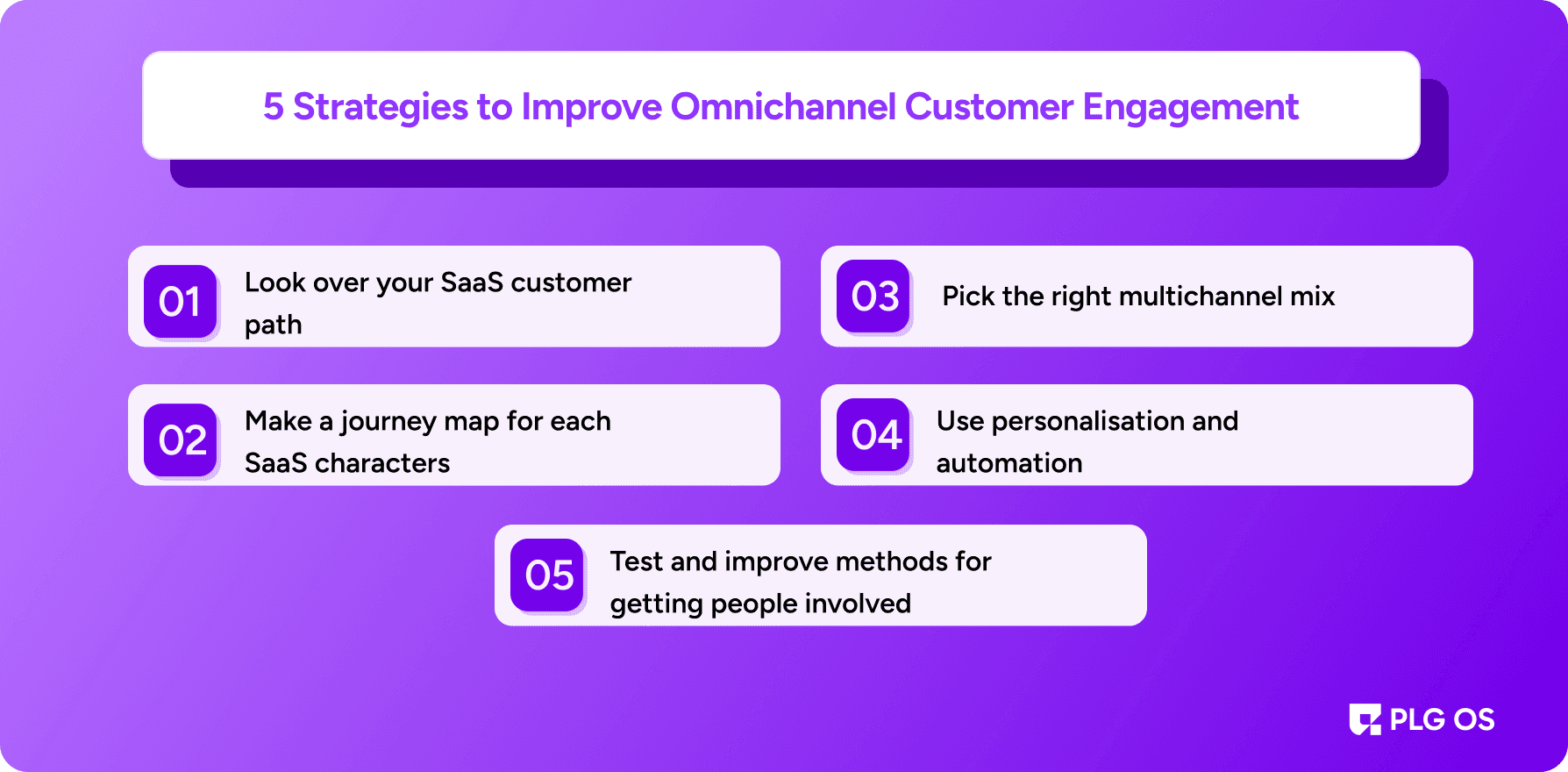
A sound omnichannel customer engagement strategy for SaaS needs to be carefully planned and implemented. Here are five steps to make an omnichannel approach that works.
1. Look over your SaaS customer path
Map your contacts with customers to see where engagement works and where it doesn't. These represent your best improvement opportunities via omnichannel customer engagement.
Find the places of friction that are causing drop-offs. These are the best ways to make things better through omnichannel customer engagement.
Pay close attention to how people connect at key times:
- Onboarding (when first impressions are made through activity)
- Feature finding (when interaction makes something seem valuable)
- Milestones for usage (when interaction turns into habits)
- Renewal points (when there needs to be a clear business case for participation).
- You can use this audit as a guide to create messages that turn casual users into loyal customers.
2. Divide SaaS customers into characters and make a journey map for each one
Lifecycle marketing, product, and CS managers use your tool in different ways. So, make different user personas based on their jobs and the things they need.
Look at how people use your product to see how they normally behave in each group. Then, make personalised journey maps that show how each character naturally moves through your platform.
3. Pick the right multichannel mix
You can get the most out of your omnichannel customer engagement tool by connecting your CRM, analytics, and support tools. This will help you find the best channels and messages for each persona. Having all this data in one place will help you tailor your messages to the best platform(s).
When you send messages across platforms, ensure your voice and brand are always the same, no matter the medium. Review your organisation's style and messaging rules again if you need to before you start writing your messages.
You can now better plan how to map channels along the trip of each persona. As an example:
- It's easy for people to use new features and get help when they need it with in-app chat.
- Email is excellent for renewal talks, product updates, and nurture sequences.
- Push notifications tell you to do important things at the right time, like hitting plan limits.
- Live chat and chatbots offer quick help to users who are having problems.
4. Use personalisation and automation
You can automate everyday tasks like onboarding, renewal reminders, and feature announcements while still adding the human touch that makes customer relationships stronger.
If you don't believe in AI, you should look at how AI-powered automation can help you deliver and scale personalised interactions based on behaviour triggers. (Thank you!)
5. Test and improve methods for getting people involved
Once your processes are live, use NPS or CSAT surveys to get regular customer feedback.
Use what you've learnt to improve your methodology, your choice of channels, and your messaging. Try sending messages at different times, in other channels, and with other approaches to see what works best for each group of customers.
3 Omnichannel Marketing Examples from Top Brands
1. Nykaa: Beauty Consultation Services
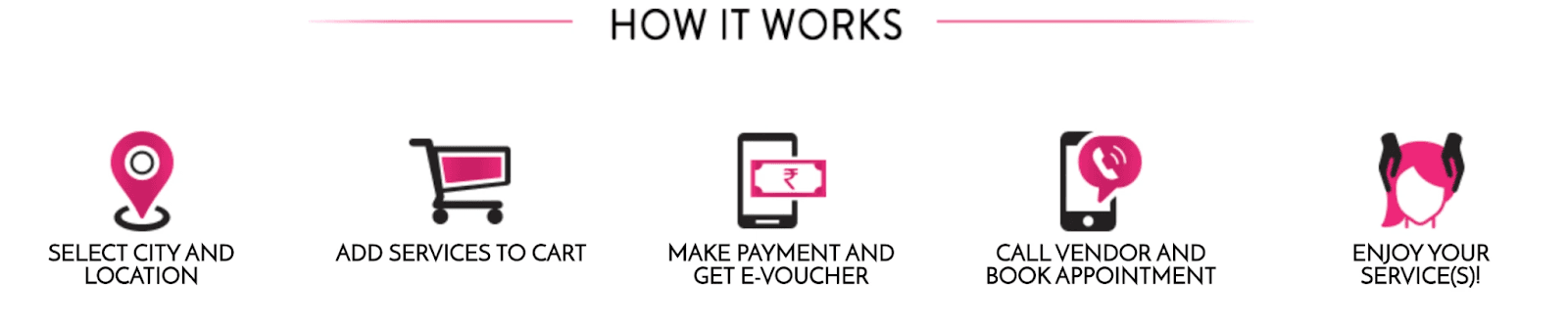
As an example of more advanced omnichannel marketing, Nykaa's approach, which includes both online and physical stores, successfully combines digital and in-person experiences to improve customer engagement and satisfaction.
Nykaa's website, mobile app, and stores are all part of its omnichannel approach. Customers can purchase beauty and health goods online, get personalised suggestions, and participate in online and offline loyalty programmes.
It also has a must-read beauty and makeup blog called "Beauty Book," with 25 top makeup artists and skin, hair, personal care, and health experts who give advice and tips. If you have any questions or worries about health, nutrition, beauty, or personal care, they can answer them. A Virtual Makeover tool in this area lets you try on and share different makeup looks.
2. BookMyShow: Tickets for Multiple Channels
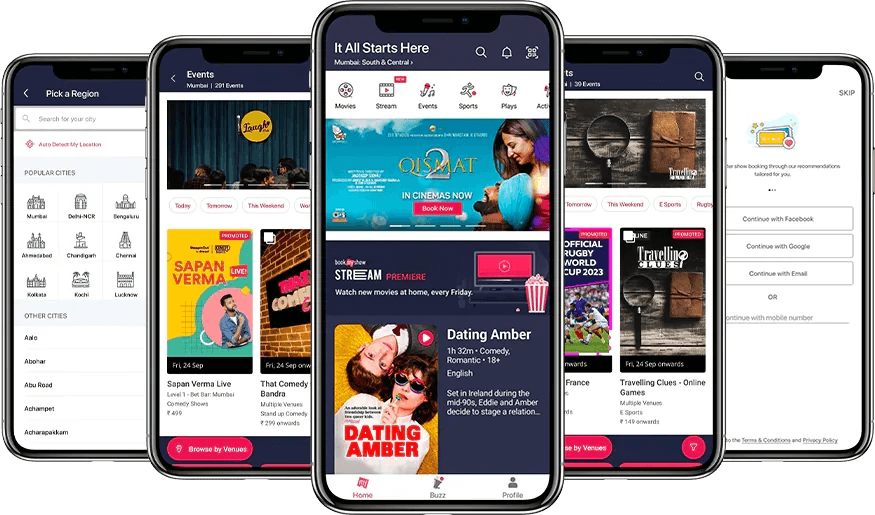
BookMyShow lets people buy tickets for films, events, and other activities on its website, mobile app, and in-person locations. BookMyShow improves accessibility and customer engagement by giving multiple touchpoints for ticket booking. Along with other top brands, it is an example of innovative omnichannel marketing.
The booking tool keeps users interested through email, push notifications, WhatsApp, and other channels. Their content and calls to action are deep-linked, meaning they take people straight to the page where they can do what they want.
3. Starbucks: Order and pay on your phone
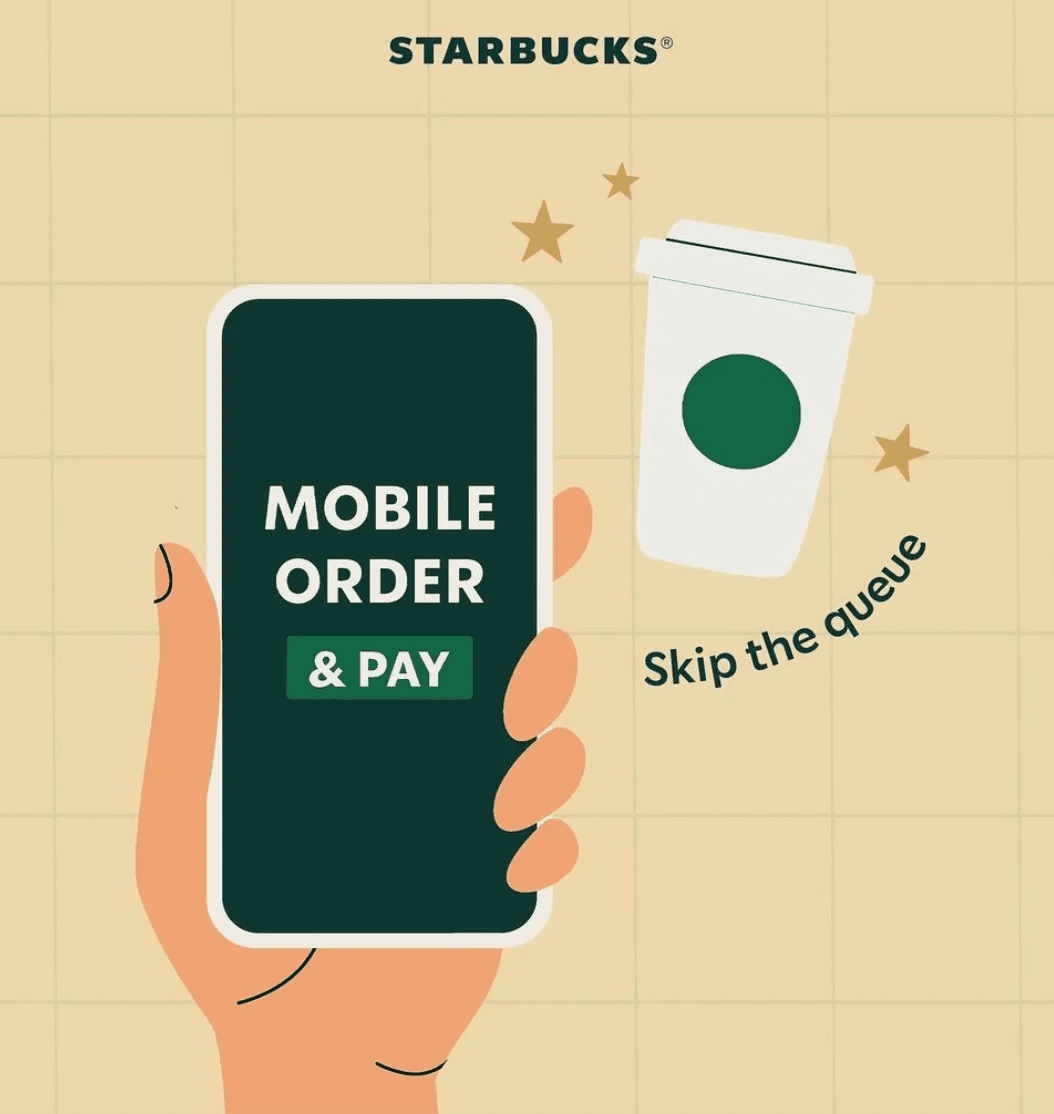
With Starbucks' Mobile Order & Pay feature, customers can easily order and pay for their favourite drinks through the Starbucks mobile app. This is one of the first examples of omnichannel marketing in the food and drink business.
By adding personalised offers, loyalty rewards, and location-based notifications, Starbucks improves the customer experience, brings more people into its shops, and makes more sales.
Conclusion
In today's marketing landscape, embracing omnichannel is essential. It's all about making things easy and personal for clients, no matter where they are online, on their phones, or in person.
Omnichannel marketing is more than just convenience; it's about making genuine consumer connections. Brands may develop personalised experiences for each customer by smoothly combining several channels.
Platforms such as PLG OS provide excellent tools and insights for anyone trying to improve their game, as demonstrated by these omnichannel marketing examples. They assist brands in crossing barriers, building stronger connections and engaging with customers. Book a call today!
FAQs
1. What is omnichannel customer engagement?
Omnichannel customer engagement is the practice of connecting with customers across multiple platforms like email, social media, live chat, and in-store experiences in a seamless and unified way. It ensures consistency and continuity no matter where the interaction starts.
2. Why is omnichannel engagement important for businesses today?
Because customers expect personalised and consistent experiences wherever they interact with a brand, omnichannel strategies lead to better customer satisfaction, higher retention, and increased revenue.
3. How is omnichannel different from multichannel?
Multichannel means being present on multiple platforms, but omnichannel connects those platforms so that customers have a smooth experience. It's not just about presence but about integration and flow.
4. What tools help improve omnichannel engagement?
Tools like customer data platforms, marketing automation software, AI-powered chatbots, and platforms like PLG OS help track and personalize user experiences across different touchpoints.
5. How can small businesses implement an omnichannel strategy?
Start by identifying your most-used customer channels, unify your messaging, and use tools that sync data across platforms. Begin small with 2–3 integrated channels and scale as you grow.