How to Create an Omnichannel Customer Strategy in 2025?
In 2025, customers aren’t just looking for products—they’re seeking experiences. And these experiences need to be seamless, personal, and consistent across every channel. Whether they're browsing your website, chatting on social media, or shopping in-store, your customers want it all to work together effortlessly. Omnichannel customer strategy is not just a buzzword; it’s the key to staying ahead in a world where customer expectations are higher than ever. Ready to take your brand to the next level? Let’s dive into how you can create a killer omnichannel strategy that drives real results and lasting loyalty.
What is omnichannel marketing?
Omnichannel marketing integrates various marketing channels to offer a seamless, unified CX. Unlike siloed marketing strategies, which have distinct strategies for in-store, internet, and social media, omnichannel unifies the digital touchpoints that customers use every day. The goal is to deliver a consistent, personalised, and seamless experience across all channels and devices. An ODM group study shows that 74% of consumers rely on social media to make purchasing decisions.
Key features of an omnichannel marketing approach include the following:
- Consistency: Unified brand message, tone, and visual identity across all channels provide customers with a consistent and familiar experience, regardless of how or where they interact with the company.
- Personalisation: Marketers use customer data to personalise messaging based on their preferences, behaviours, and previous encounters with the company.
- Integration: Organisations connect and share data across all customer touchpoints, including websites, social media, mobile apps, in-store, and customer service channels. Customers can migrate between channels seamlessly, but tracking consumer interactions requires complex data management tools.
- Customer-centric: Omnichannel marketing prioritises consumer demands, preferences, and convenience by meeting them through their chosen channels.
- Data-driven insights: An omnichannel strategy relies largely on data analytics to gather insights on customer behaviour across channels. Marketers use this data to make better decisions and adjust their tactics.
- Flexibility and adaptability: Omnichannel strategy must evolve in tandem with customer behaviour and technological advancements. Brands must continuously adapt to meet shifting customer expectations and capitalise on new opportunities.
Why Is Omnichannel So Important in 2025?
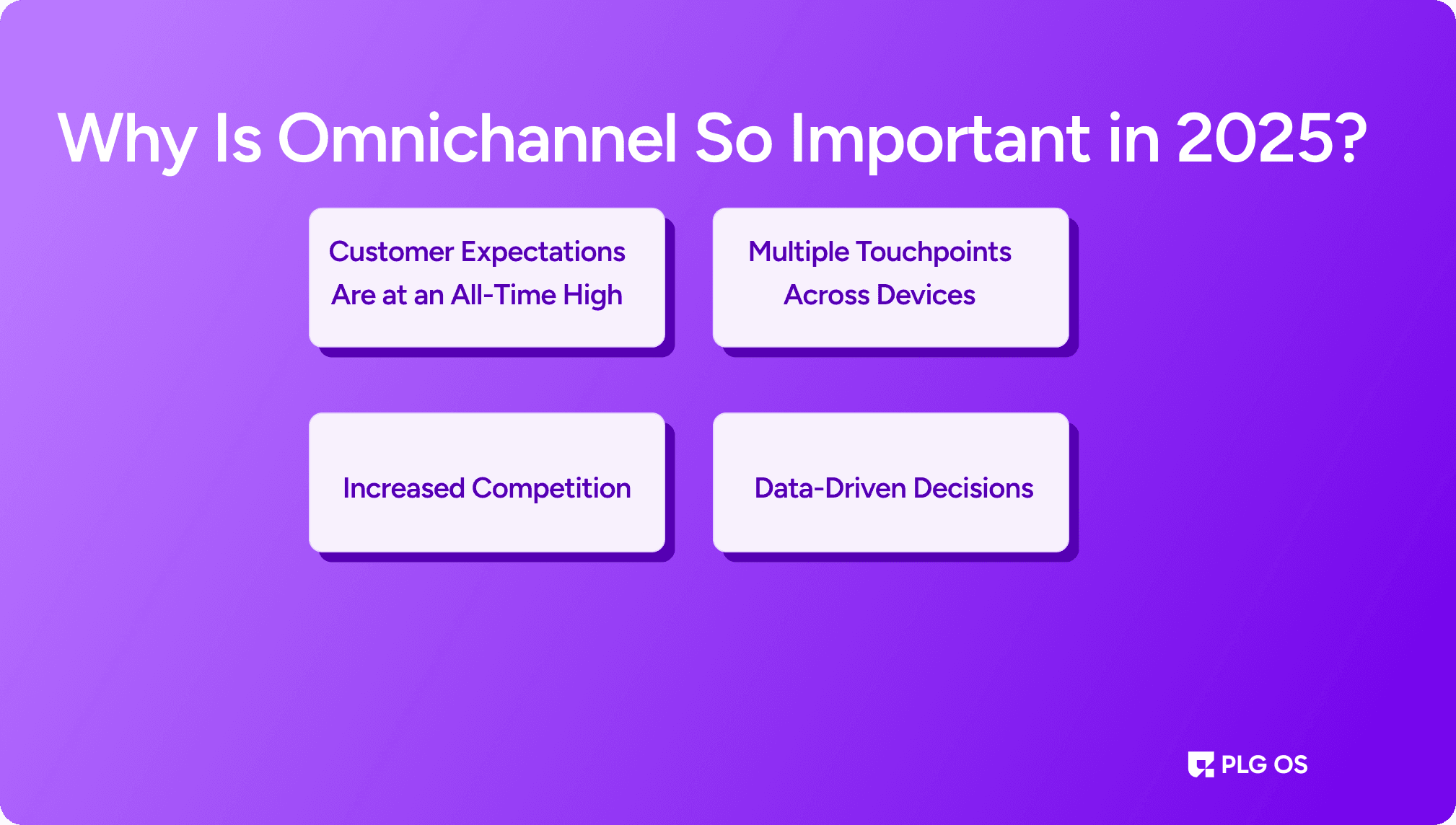
The rise of new technologies, social media platforms, and customer behaviors have changed the way businesses operate. A Harvard Businessonline review shows that 73% of consumers use multiple channels throughout their entire purchasing journey. Here are some key reasons why having an omnichannel strategy is non-negotiable in 2025:
1. Customer Expectations Are at an All-Time High
Consumers today expect a seamless and personalized experience, no matter where they engage with a brand. Whether they're browsing your website, chatting with customer support, or buying a product in-store, they want to feel like they’re being recognized and valued at every touchpoint.
2. Multiple Touchpoints Across Devices
With smartphones, tablets, laptops, and even smartwatches in the mix, customers are accessing your brand across multiple devices. This makes it crucial to maintain a consistent and engaging experience across these platforms, so your brand doesn’t lose its connection with the customer.
3. Increased Competition
In a world where every business is going digital, having an omnichannel strategy is no longer a luxury—it's a necessity. If your competitors are offering an omnichannel experience and you're not, you're at risk of losing customers.
4. Data-Driven Decisions
An omnichannel approach gives you the ability to gather data from multiple sources, giving you a 360-degree view of the customer journey. This data helps you make better decisions, predict customer needs, and provide personalized experiences.
5 Steps to Create an Omnichannel Customer Strategy in 2025
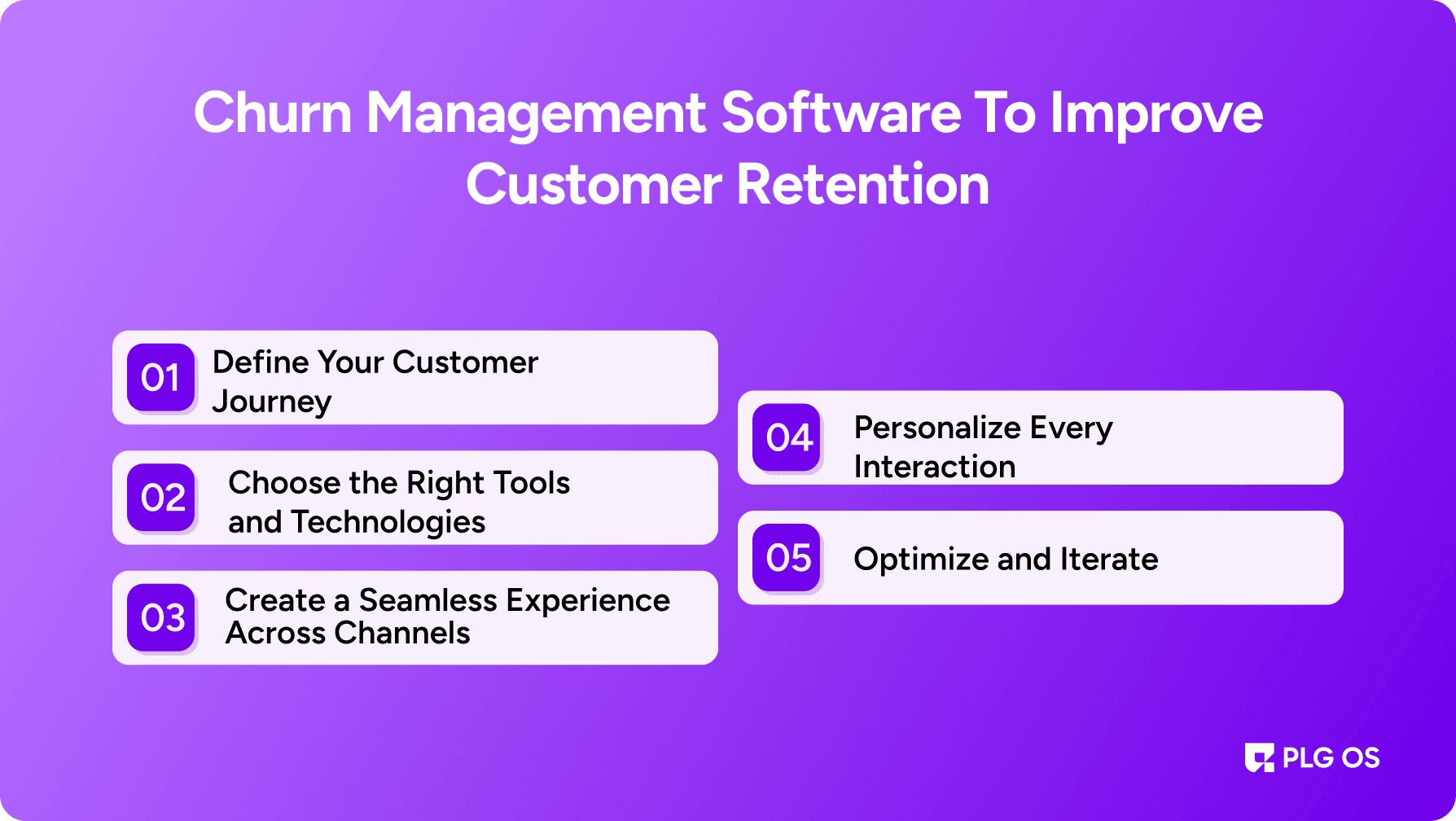
Now that we’ve broken down the key elements of an omnichannel strategy, let’s look at the steps you need to take to build your strategy in 2025.
Step 1: Define Your Customer Journey
The first step is to understand the paths your customers take when interacting with your brand. You need to know where they start, where they go, and how they prefer to interact with you.
- Map out the customer journey, starting from awareness to purchase to post-purchase engagement.
- Identify the key touchpoints where your customers engage with your brand.
Step 2: Choose the Right Tools and Technologies
Your omnichannel strategy will only work if you have the right technology in place to support it. This includes customer relationship management (CRM) tools, analytics platforms, marketing automation software, and communication channels.
- CRM: Use a CRM system to track all customer interactions across various touchpoints.
- Marketing Automation: Choose a platform that helps you automate emails, social media posts, and ads.
- Analytics: Use advanced analytics to track customer behavior and measure success.
Step 3: Create a Seamless Experience Across Channels
Ensure that your customer experience is consistent and smooth across all channels.
- Consistent Branding: Your brand’s voice and message should be the same whether the customer is on your website or talking to a customer service agent.
- Cross-Channel Integration: Make it easy for customers to transition from one platform to another, such as online to in-store shopping or chat to email support.
Step 4: Personalize Every Interaction
Personalization is a key element of omnichannel success. Use customer data to personalize your interactions, offers, and content.
- Data-Driven Personalization: Use data insights to create targeted marketing campaigns.
- AI and Automation: Use AI to personalize customer journeys and automate interactions at scale.
Step 5: Optimize and Iterate
Your omnichannel strategy is never “finished.” Regularly analyze data and optimize your approach based on customer feedback and engagement metrics.
- Track and Measure: Use tools like PLG OS to measure the effectiveness of each channel.
- Test and Improve: Continuously A/B test different approaches to see what works best for your audience.
Conclusion: The Future of Omnichannel in 2025
The omnichannel approach in 2025 is all about creating a seamless, personalized experience that meets customers where they are. By integrating your channels and using data to inform every decision, you can provide an experience that not only meets but exceeds customer expectations.
Ready to take your omnichannel strategy to the next level? Use PLG OS to gather insights, automate processes, and optimize your customer engagement across all touchpoints. Book a call with us today.
FAQs
1. What is an omnichannel customer strategy?
An omnichannel customer strategy integrates all customer touchpoints—online and offline—into one seamless experience. It ensures consistency across all platforms, allowing customers to move effortlessly between channels.
2. Why is omnichannel important in 2025?
In 2025, customers expect a personalized, consistent experience across all devices and touchpoints. An omnichannel strategy helps meet these high expectations, ensuring your brand stays competitive and customer-centric.
3. How can I collect customer data for my omnichannel strategy?
You can collect customer data through various channels, including your website, social media, email, and in-store interactions. Tools like CRM systems and analytics platforms, such as PLG OS , can help integrate and manage this data.
4. What tools are needed for an omnichannel strategy?
You'll need a combination of CRM systems, marketing automation software, data analytics tools, and communication platforms to manage and optimize your omnichannel strategy.
5. How can I personalize my omnichannel customer experience?
Personalization can be achieved by using customer data to tailor marketing messages, product recommendations, and offers. Tools like PLG OS can help you track customer behavior and deliver relevant content in real time.