5 best user engagement tools for your SaaS success
You have created a fantastic SaaS solution, but people simply join up, explore, and then leave. Isn't this frustrating? The key to keeping customers captivated is a tremendous product and involvement. If users do not engage with your platform regularly, they will leave faster than you can say "goodbye revenue."
This is where user engagement tools come in. These solutions help convert interested sign-ups into devoted customers by providing tailored onboarding, in-app messaging, and behavior tracking. Are you ready to increase your product's retention, adoption, and customer satisfaction? Let's delve into the 10 finest user engagement tools for SaaS!
What is customer engagement?
Customer engagement is the process of developing relationships with your customers. The goal is to enhance brand exposure, keep customers engaged, and build long-term loyalty. 54% of customers say that companies need fundamental changes to how they engage with customers.
Customers can be engaged through various channels, including social media posts, marketing efforts, and website content. It's also vital to complete this in-app and via email.
Here is a good example:
Postfity, a social media scheduling software, announced a feature update to its users.
A typical SaaS company presumes that users will learn about the change; thus, there is no purpose in informing them. Consumers expect quick responses, with 69% wanting brands to reply within 24 hours or less. However, informing users this way is an excellent approach to keep them informed and interested as your service expands.
How does a customer engagement tool work?
A customer engagement tool provides a bird's-eye view of a customer, allowing firms to see patterns in consumer behavior and preferences. Teams are able to devote more time to strategic engagement thanks to this tool's ability to automate repetitive tasks and personalize interactions.
In addition, it enables companies to use first-party data to measure consumer engagement, which improves decision-making and helps to optimize engagement initiatives. Here is a rundown of the nine steps that these tools go through in practice:
- Collect information from various online resources, including apps, social media, and websites.
- Centralize your data for more straightforward analysis.
- Categorize clients according to their characteristics, habits, and tastes.
- Make each client segment's interactions and communications unique.
- Send out emails, text messages, push alerts, and social media posts to keep consumers interested.
- Emailing and responding to inquiries are two examples of automated tasks.
- Discover new insights by analyzing consumer behavior and advertising results.
- Survey clients to find out what they think so you can make your products and services better.
- Iteratively adjust tactics in light of data and comments.
1. SurveyMonkey
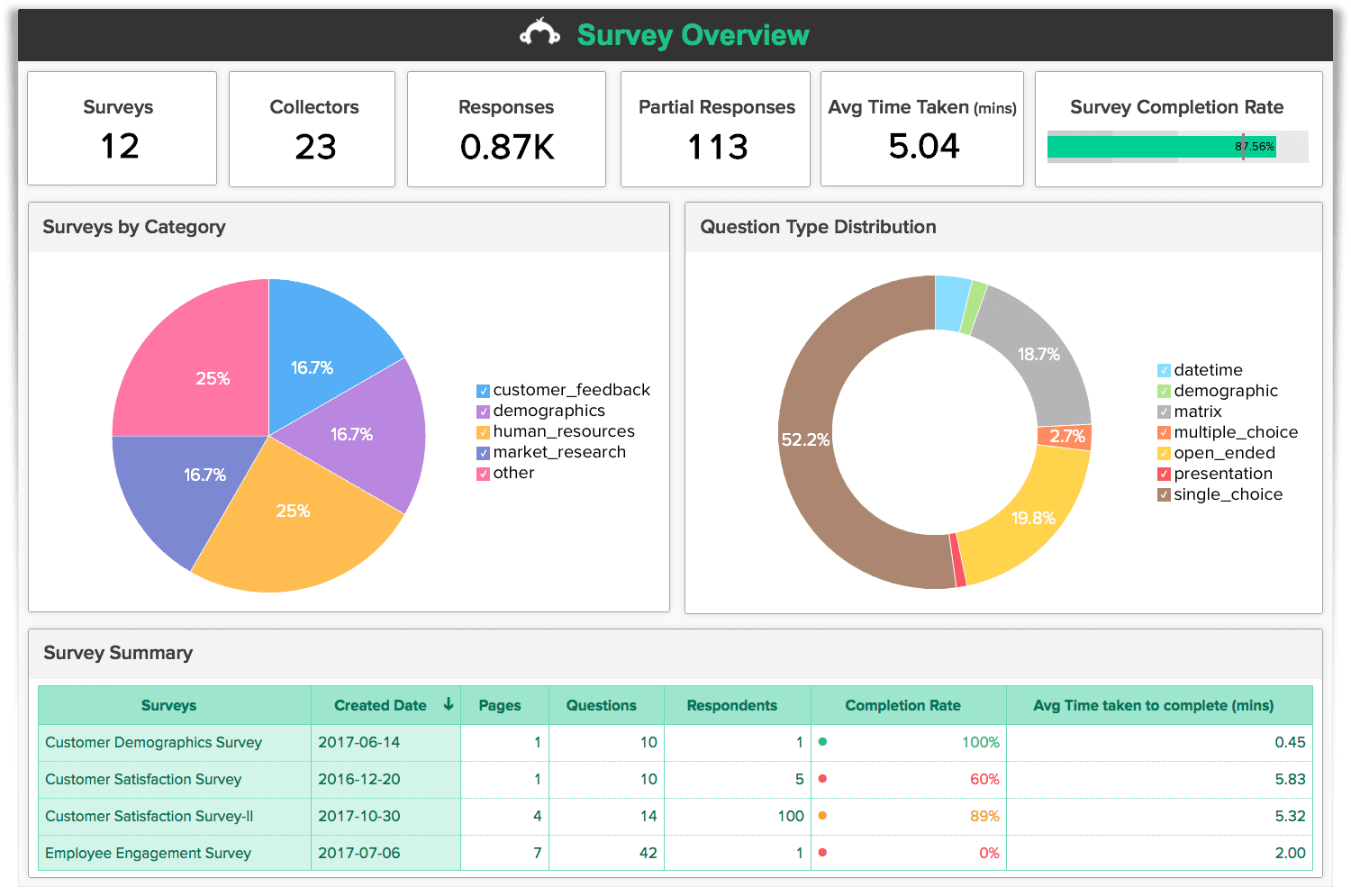
SurveyMonkey is easily one of the most popular survey and feedback systems available, with over 40 million users. However, among its competitors, it is also the best.
You should not judge this product based on its free tier (which is not the most complete). If you can afford a paid package, you'll notice the difference.
SurveyMonkey offers many plans with features such as:
- Survey builder
- Templates & question types
- Multilingual surveys
- Reporting & Analytics
- Keyword search
- Kiosk mode
- Mobile app
Why SurveyMonkey?
From an ignorant standpoint, SurveyMonkey is a costly survey platform that a free survey in Google Forms would replace. However, your point of view makes all the difference.
You can either use a free tool to collect customer feedback and eventually regret it because it only helps with limited templates, question types, and a clunky interface, or you can use a paid feedback option to get your users to provide insightful feedback thanks to special templates and use cases, as well as the analytics option SurveyMonkey provides.
2. PLG OS
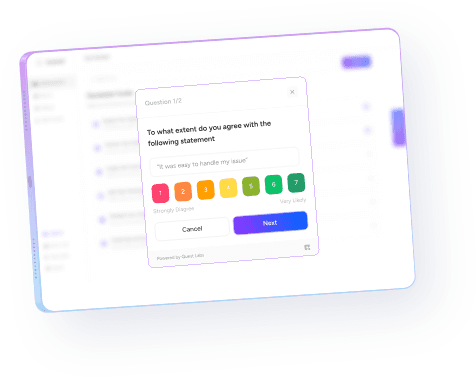
Every SaaS company dreams of achieving product-led growth, but how do you actually make it happen? You could use 10 different tools for every aspect of growth, or you could just use PLG OS.
It brings together all the elements you need to drive adoption, retain users, and boost engagement in one seamless platform.
PLG OS helps with:
- User onboarding & activation
- In-app engagement & product adoption
- Customer segmentation & targeting
- Feedback collection & analysis
- Automation for retention strategies
Why use PLG OS?
PLG OS eliminates the need for a scattered toolset, providing a one-stop solution for SaaS businesses that want to grow without friction. With data-driven insights and automated engagement strategies, it’s like having a growth team on autopilot.
3. Intercom
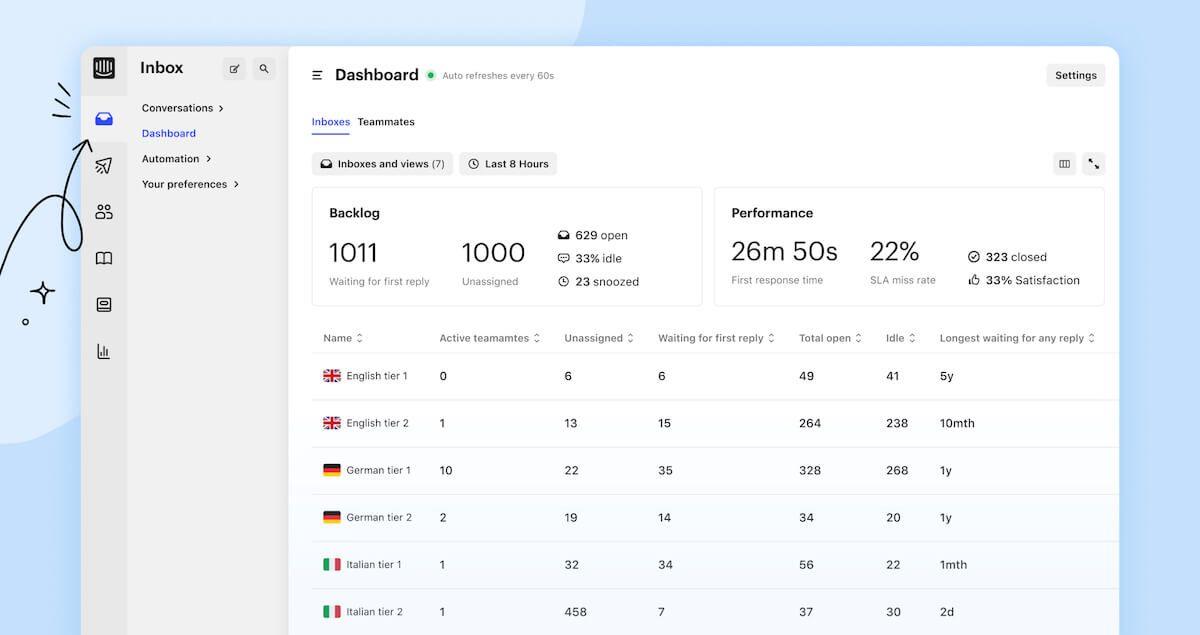
Intercom, a market leader in its area, is your infinity stone for excellent in-app assistance. 68% of consumers say they are willing to pay more for products and services from a brand that offers good customer service experiences. Now, in-app customer messaging may appear annoying to some of us at first, but as I mentioned above, it is critical for SaaS organizations seeking to remain industry leaders this decade.
You may want to stop by Intercom on your way to SaaS leadership. Intercom customer messaging allows you to conduct a variety of things, including:
- Real-time live chat.
- Chatbots
- Self-service alternatives.
- Chat segmentation
- Outbound messages
- Integrations with over 300 apps.
Why use an intercom?
Intercom is more than just a wonderful in-app messaging solution; it also provides a comprehensive experience.
Intercom can even be used for email marketing or knowledge base, whereas other in-app messaging choices on the market are limited to live chat. Intercom is aimed at businesses ranging from midsize to enterprise.
However, if you want an in-app messaging tool that also functions as an emailing solution and an omnichannel support hub, it could be the one for you.
4. Mailchimp
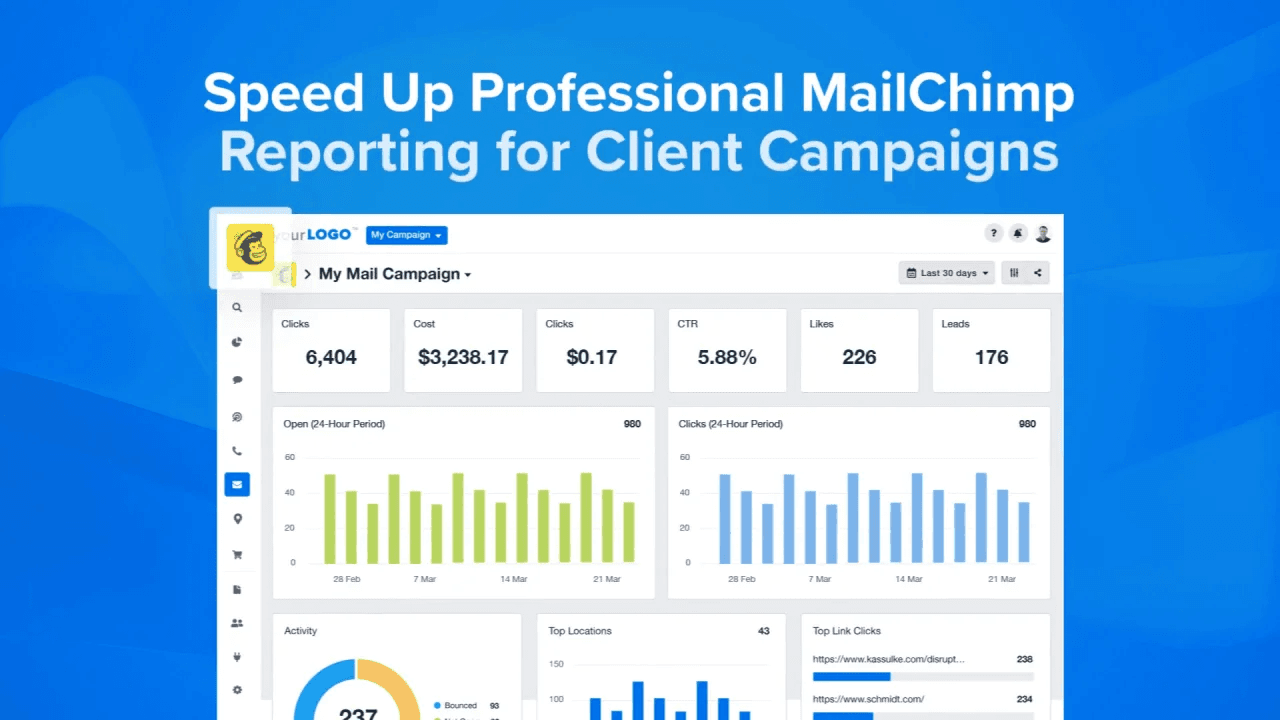
Mailchimp, another popular tool on our list, may appear to be overrated. However, it is actually undervalued. More than 60% of customers expect customization of everything.
Because Mailchimp is much more than an email marketing tool, thanks to features like:
- Audience Dashboard
- Segmentation and Personalization
- Prebuilt automations
- Send time optimization
- Content Studio and Campaign Templates
- Analytics Mobile app
Why Mailchimp?
Most seasoned emailing platforms, such as HubSpot or Sendinblue, focus on specific fields; however, Mailchimp remains a real jack-of-all-trades.
There are indeed some excellent new tools. But they still need time to become in shape.
Meanwhile, Mailchimp is available as a full-featured marketing CRM with a mobile app and very inexpensive costs. Years of experience and a satisfied customer base are merely condiments for the main entrée.
5. Google Analytics
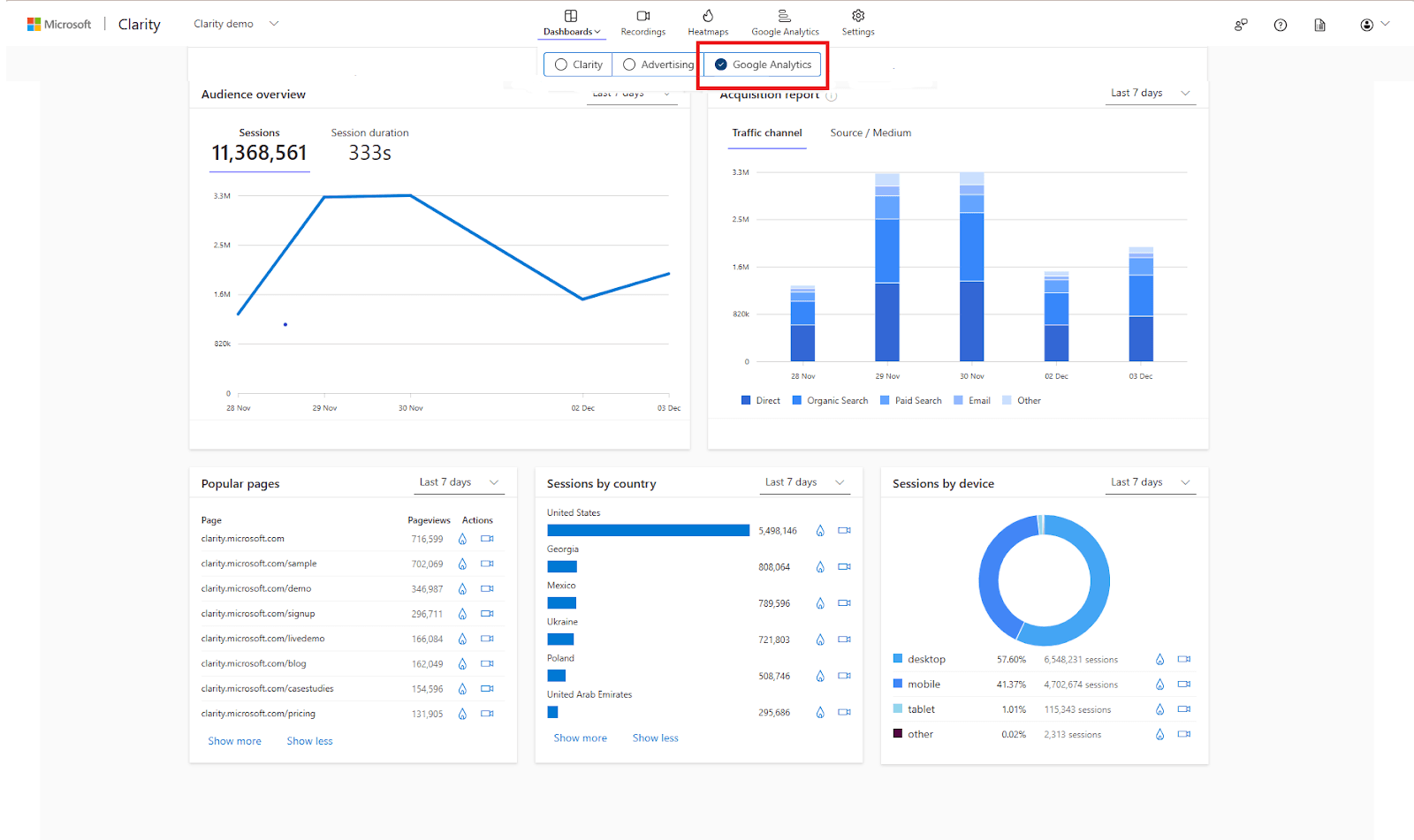
New analytics tools are released daily for various use cases, including user behavior, A/B testing, heat mapping, content marketing, and more.
It’s almost as if you require something for every small thing.
Don’t get me wrong: it’s fantastic that we have so many specific tools now. What if we required a single infinity stone to rule them all? Here’s when Google Analytics comes into play.
This popular analytics tool with an awesome freemium can do:
- Proactive insights.
- User and conversion modeling
- Reports on behavior, conversion, acquisition, and more.
- Segmentation and funnel analysis.
- Google Integrations and More
Why use Google Analytics?
It is true that Google Analytics does not have the most user-friendly interface, and it can be challenging to navigate at times.
But it all comes down to one basic question. What tool can provide the most accurate information on a website that people use Google to access?
To be fair, Google Analytics is now the most complete analytics solution on the market, and combining it with all other Google apps is a breeze.
Conclusion
User engagement isn’t just a metric; it’s the heartbeat of your SaaS success! You can turn casual users into loyal advocates with tools like Intercom, Pendo, and Userpilot. But here’s the real game-changer: a strong Product-Led Growth (PLG) strategy.
PLG OS helps you scale efficiently, boost retention, and let your product do the talking. Are you prepared to revolutionize user engagement and spur rapid growth? Don’t just follow the trend, lead it! Explore how PLG OS can supercharge your SaaS journey. Get started today by booking a call today!
FAQs
What are the top user engagement tools for SaaS businesses?
The best user engagement tools include Intercom, PLG OS, Mailchimp, etc., each offering unique features for customer communication, onboarding, and retention.
How does Intercom help improve user engagement?
Intercom provides live chat, automated messaging, and AI-driven chatbots, helping businesses interact with users in real time and enhance support efficiency.
Why is PLG OS a great tool for SaaS companies?
PLG OS offers product analytics, in-app messaging, and user feedback collection, enabling SaaS businesses to understand user behavior and improve their product experience.
Can HubSpot be used for user engagement?
Yes, HubSpot’s CRM, email automation, and customer journey tracking help SaaS businesses nurture leads and maintain engagement throughout the customer lifecycle.
What makes Userpilot stand out?
Userpilot specializes in no-code onboarding flows, in-app guides, and personalized experiences, helping SaaS businesses drive user activation and retention effortlessly.