5 Best Customer Success Tools in 2025
Customer success isn’t just a department anymore, it’s a competitive advantage. Businesses that invest in customer success don’t just retain clients; they create loyal advocates who fuel long-term growth. But with rising customer expectations, manual processes and scattered data won’t cut it. You need the right tools to streamline workflows, track customer health, and proactively address issues before they escalate.
So, what are the best customer success tools in 2025? We’ve rounded up the top eight platforms that are redefining the game. Whether you’re a startup looking for an affordable solution or an enterprise aiming for advanced automation, there’s a tool for you.
What is customer success software?
With customer success software, your team can access a centralized database containing all your customers' information, including contact details, communications history, product engagement statistics, and feedback responses. Zendesk’s CX trends report noted that 62% of customers point to price as the driving factor of their brand loyalty, with customer service (57%) and product/service offerings (54%) following closely behind.
Centralized customer service data makes it easier for CSMs to track customer mood, spot trends, and intervene before a customer even knows they have a problem.
Importance of customer success management
Even though every division is responsible for ensuring customers are happy, businesses do better with a cohesive customer success strategy. This is the plan that the company has to assist consumers succeed when they use their products or services.
A customer success manager's (CSM) job is to take a bird's-eye view of a relationship and ensure that everything about the user experience contributes to the customer's success.
CSMs frequently work alongside clients during onboarding, educating and supporting them on the product. Additionally, they serve as the organization's "voice of the customer" (VOC) while interacting with other teams. They keep tabs on all customer touchpoints and interactions to find growth possibilities and churn risk factors.
Client success management software is one tool that CSMs use to keep track of all the details of a client relationship.
5 Best Tools for Customer Success in 2025
1. Intercom
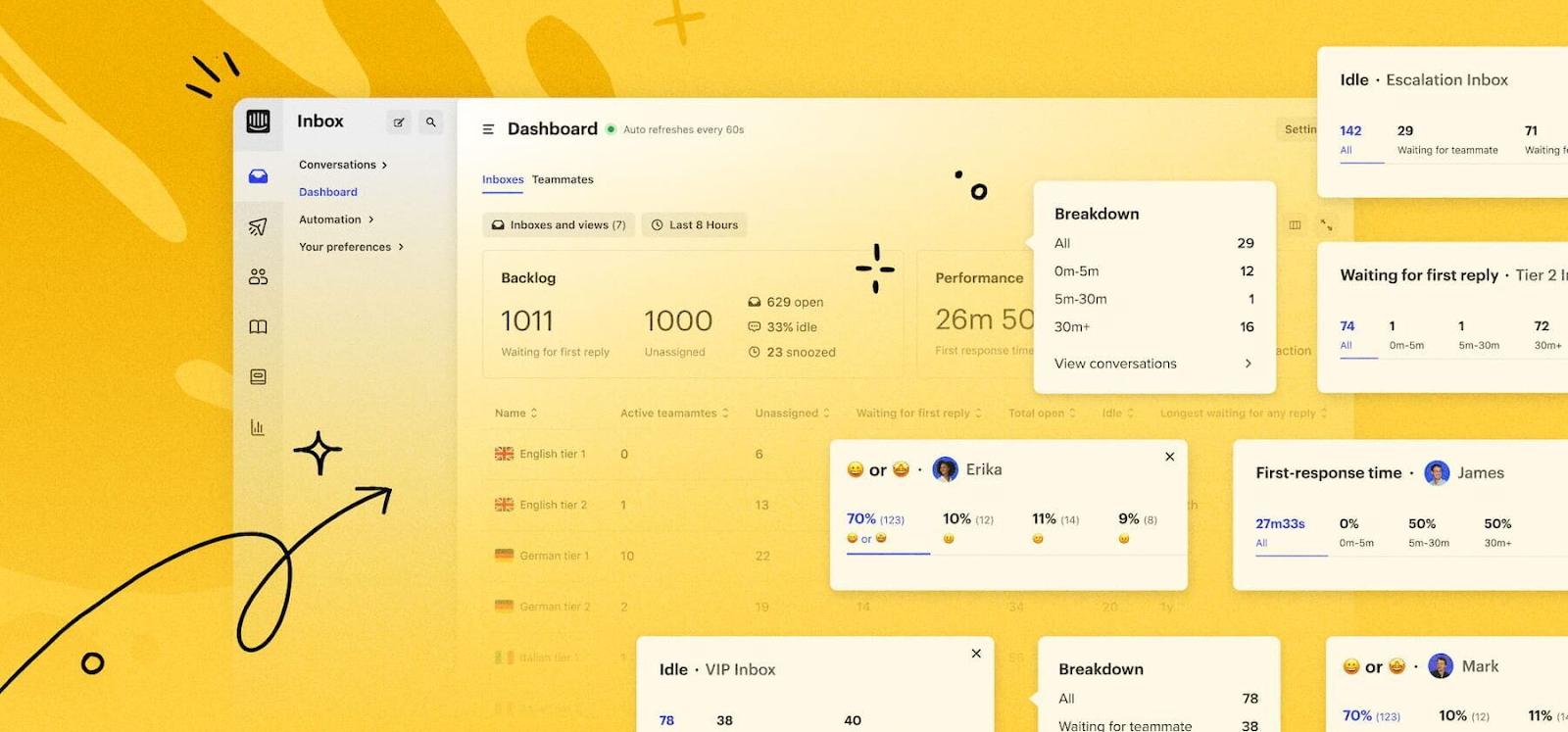
Intercom is a live chat system created for customer success, marketing, and sales teams. Their platform provides three main solutions: Conversational Marketing, which allows you to target website visitors and greet them with personalized messages; Conversational Engagement, which onboards and activates new customers; and Conversational Support, which provides self-service, proactive, and human support.
Key features:
- Real-time messaging enables businesses to contact clients directly via live chat on their website or app, resulting in more immediate connection.
- Automated campaigns allow you to create and manage targeted messaging campaigns automatically generated based on user activity.
- Provides powerful capabilities for tailoring interactions based on user data, increasing the relevancy of communications.
- Integration capabilities include extensive linkages with various marketing, sales, and support technologies to ensure a consistent approach to customer communication.
2. PLG OS
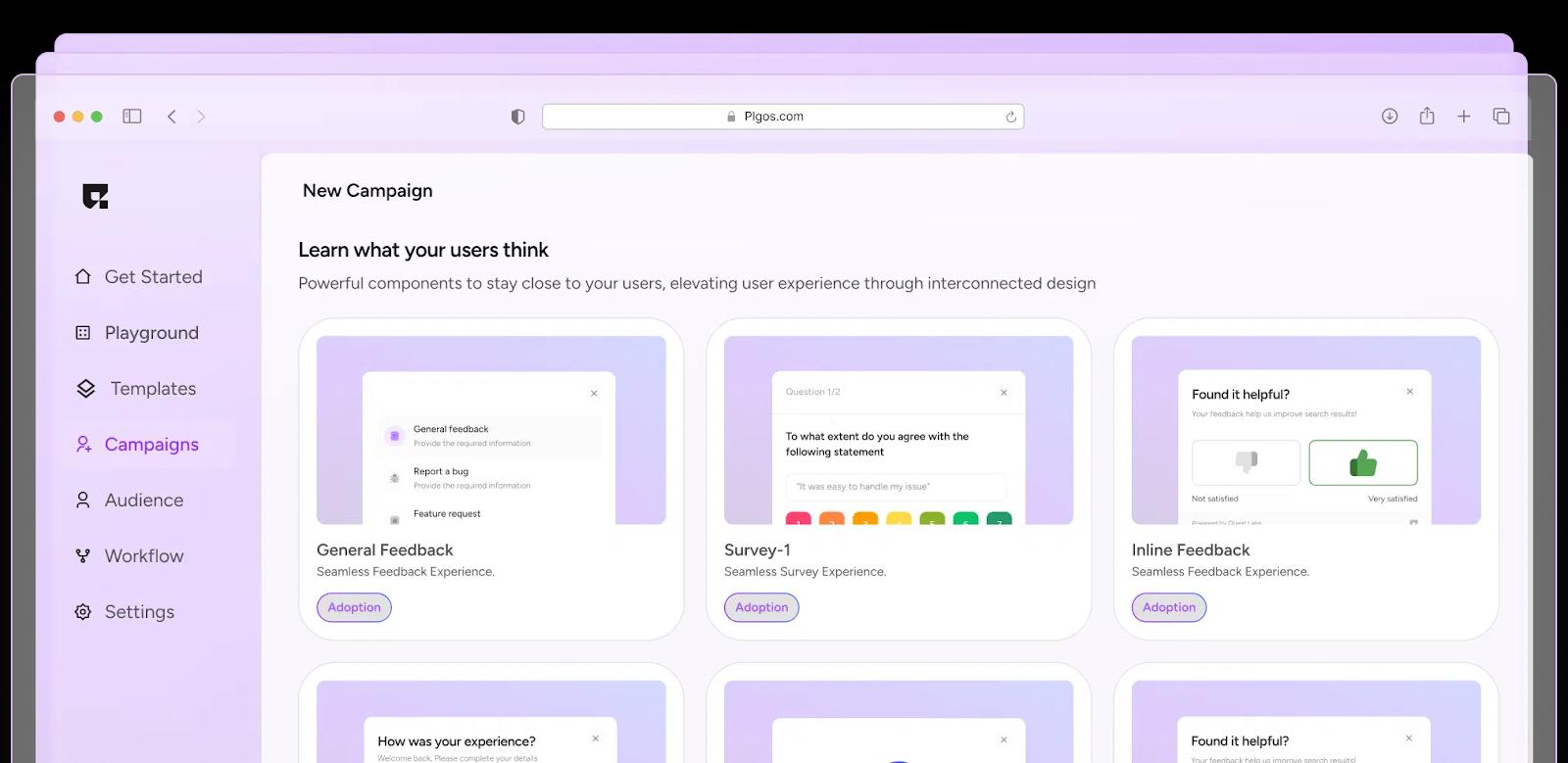
PLG OS is a game-changing customer success platform built for product-led growth (PLG) companies that rely on user adoption and engagement to drive business success. Unlike traditional customer success tools, PLG OS provides real-time insights into how users interact with a product, enabling businesses to enhance the user experience and drive retention proactively.
Key features:
- Product Usage Analytics: Track user behavior, identify engagement patterns, and optimize features for maximum adoption.
- Automated Customer Onboarding: Minimize friction with personalized, data-driven onboarding experiences that help users realize value faster.
- Self-Service Customer Journeys: Empower users to navigate their journey independently, reducing the need for manual intervention.
- Seamless Integrations: Connect effortlessly with CRM and support tools like HubSpot, Zendesk, and Salesforce for a unified customer success strategy.
3. SalesForce
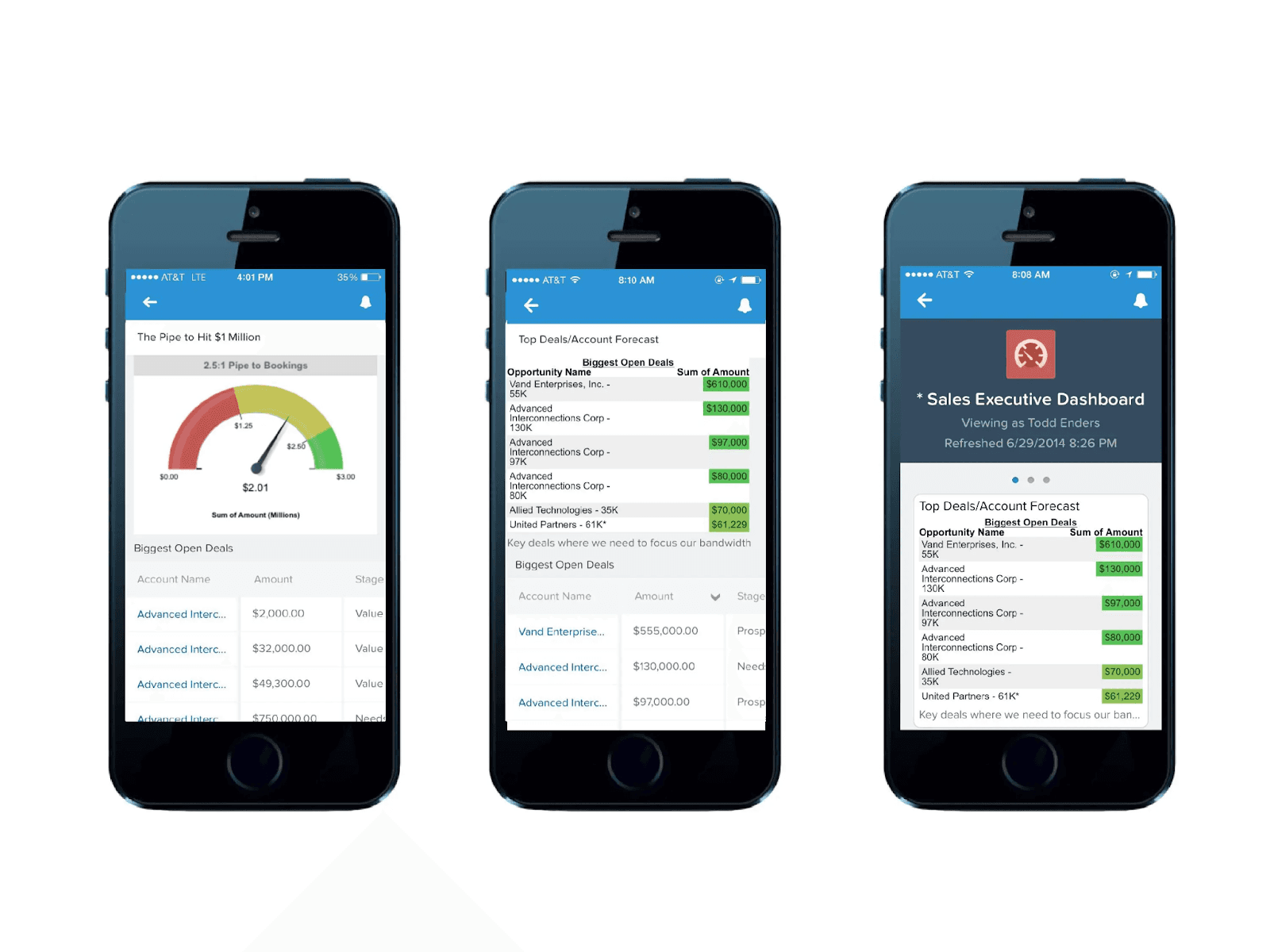
Salesforce provides a variety of capabilities for managing client interactions. Its diverse product solutions include the Sales Cloud (for sales automation), Service Cloud (for customer service and support), Marketing Cloud (for marketing automation), and others. This suite enables organizations to track client information, run marketing campaigns, and provide customer service all from a single, integrated platform.
Key features:
- Unified customer view: Brings together sales, service, and marketing clouds to deliver a comprehensive perspective of customer interactions, improving management and personalization possibilities.
- care Cloud: focuses on customer care and support, offering tools for case management and real-time communication, both of which are critical for sustaining high levels of customer satisfaction.
- Customizable dashboards: Provides personalized analytics and reporting tools, allowing organizations to measure client involvement and discover patterns.
- Scalability and flexibility: Salesforce's pricing options and modular architecture enable firms to grow and modify features to their specific communication and management requirements.
4. Zoho
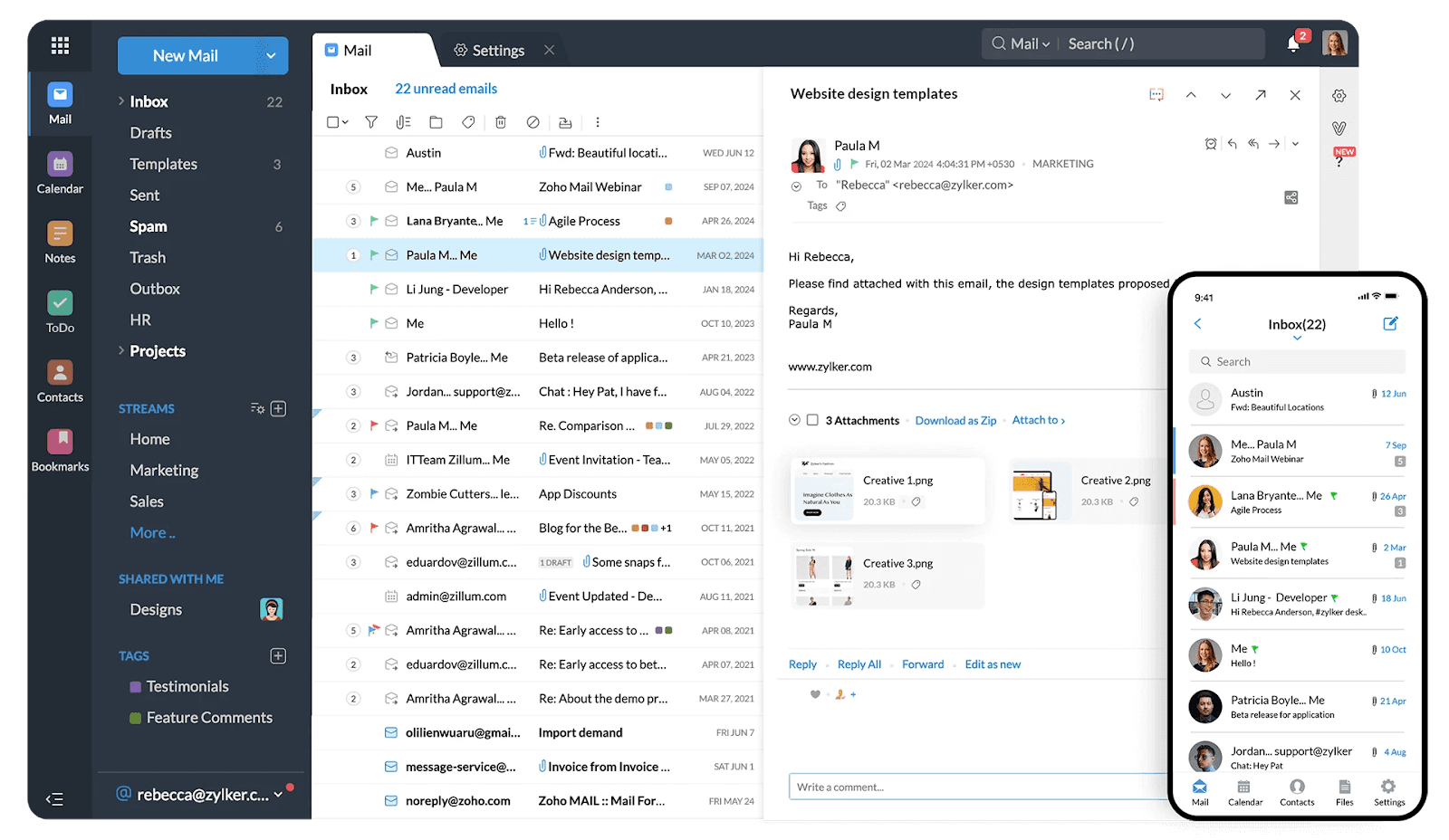
Zoho offers a comprehensive portfolio of commercial software solutions, including Zoho CRM, to enhance customer relationship management. The CRM solution includes lead and contact management, deal management, workflow automation, and advanced analytics. This enables firms to streamline operations, improve efficiency, and make data-driven decisions.
Key features:
- Comprehensive CRM capabilities include lead and contact management, deal management, and workflow automation to improve customer communications and relationships.
- Integrated business suite: Provides seamless interaction with other Zoho products such as helpdesk and project management, allowing for a unified approach to client management.
- Advanced analytics: The CRM includes in-depth analytics capabilities that help firms make smart decisions based on customer data and interactions.
- Routine task automation: Automates a variety of customer-related operations, increasing efficiency and freeing up staff time for more strategic communication initiatives.
5. Freshworks
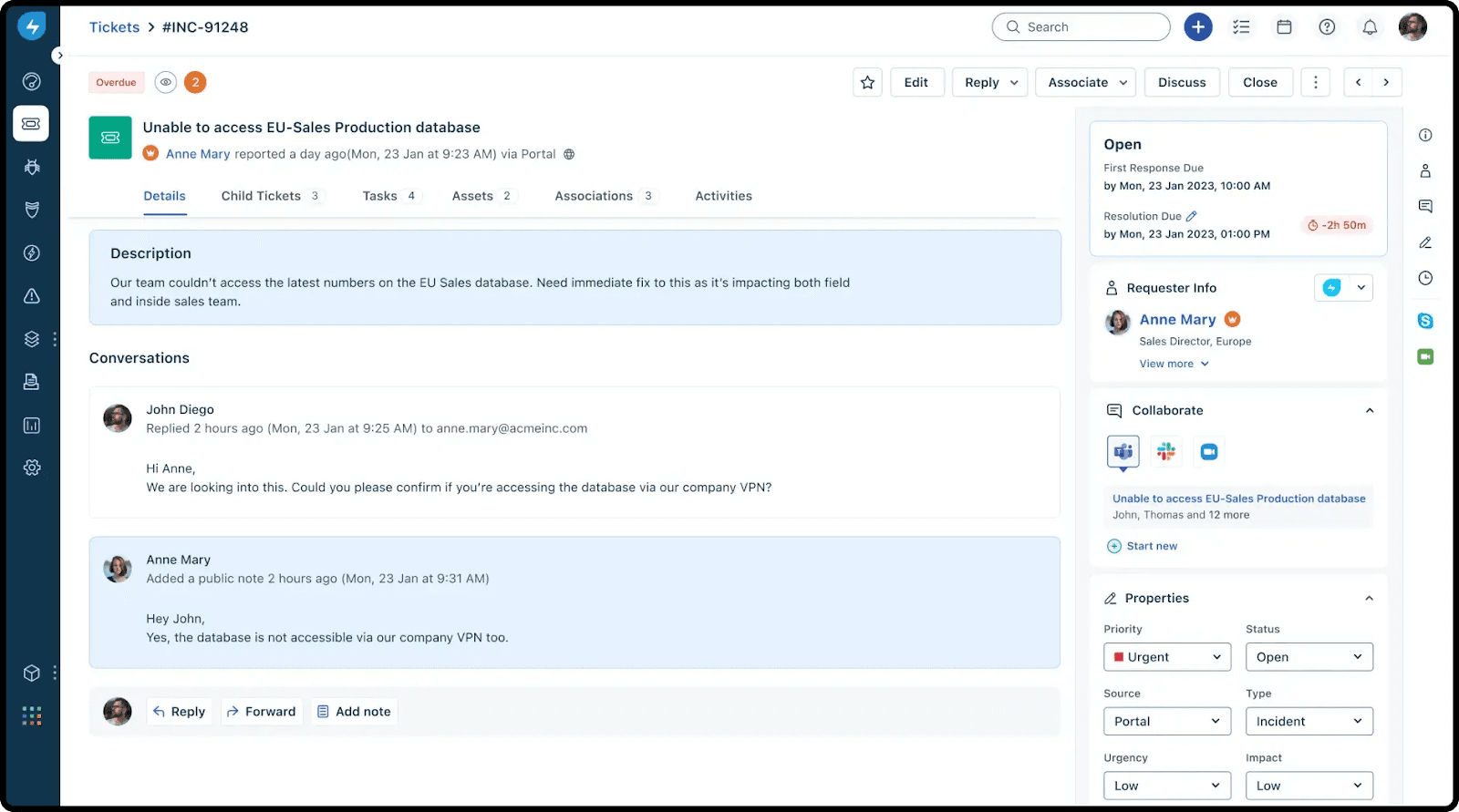
Freshworks is a cloud-based customer support platform that provides multichannel service via email, phone, and social media. This enables firms to automate tedious tasks and streamline their support processes. Freshworks' package also includes Freshsales, a powerful CRM tool, and Freshchat, a live chat application.
Key features:
- Multi-channel support combines assistance channels such as email, phone, and social media into a single platform, allowing for seamless communication and guaranteeing that no customer inquiries go unanswered.
- Live chat software provides real-time communication possibilities, increasing the speed and relevance of support conversations.
- Intuitive user interface and simple setup Freshworks is well-known for its user-friendly interface, which allows teams to rapidly enroll and manage client contacts, saving training time and complexity.
- Routine task automation: Automates typical support tasks such as ticketing and follow-ups, allowing personnel to focus on more complicated customer needs while streamlining operations.
Tips for Choosing the Best Customer Success Software for Your Team
Selecting the appropriate customer success software is critical for your team. The appropriate tool can influence daily operations, increase team efficiency, boost customer happiness, and drive growth. According to the report, by 2025, AI will be critical to CX, with 73% of consumers claiming AI truly enhances their experience. To find the finest software for your needs, follow these tips:
1. Check for software integrations
Create a list of your present technology stack to ensure that the new software integrates seamlessly. Knowing which technologies require integration is critical since good integration is required for automating operations and ensuring data consistency across several platforms.
Discussing integration capabilities with software suppliers and obtaining demo of integration scenarios is critical. This ensures compatibility and avoids potential disruptions if the software does not work well with your CRM, email marketing tools, live chat, or customer onboarding software.
2. Seek guidance from team members
Engage with the employees who will use the software. Their insights highlight critical features and potential flaws that may not be seen during a demo.
Their opinion is also critical for picking software that integrates effortlessly into your existing workflows and successfully solves the team's needs, resulting in easier adoption and higher satisfaction.
3. Determine the must-have features
Before you investigate several platforms, define the critical features for your operations. List the functionalities that will help you solve your primary problems, such as automation capabilities, reporting tools, or customer tracking features.
Clearly outline the goals you want to achieve with this new technology: improve customer engagement, increase productivity, or reduce attrition. This clarity will allow you to filter down your options to platforms that are tailored to your specific requirements.
4. Conduct scenario workshops
Scenario workshops allow you to see how different software handles certain events relevant to your organization. This method visualizes the software's practical application and efficacy in real-world circumstances.
For example, if you want to receive an alert when a client becomes a churn risk, figure out what data you need to indicate that risk, how different technologies would discover the risk and trigger the alert, and how and when your team will receive the message based on which you choose.
Create precise use cases that your team frequently faces to walk through how each software solution handles these circumstances. This hands-on approach can reveal potential strengths and drawbacks in the program you're investigating.
Final Thoughts
In 2025, customer success is no longer just about reducing churn, it’s about driving engagement, retention, and long-term growth. The right customer success tool can transform how businesses interact with their users, offering data-driven insights, automation, and proactive support.
Whether you need AI-powered analytics (Gainsight), churn prevention (ChurnZero), scalability (Totango), or PLG optimization (PLG OS), there’s a tool designed for your needs. Investing in customer success isn’t just about keeping customers; it’s about turning them into loyal advocates. Choose the right platform, empower your team, and build a customer-first strategy that fuels sustainable growth. Book a call today.
FAQs
1. What is a customer success tool?
A customer success tool helps businesses monitor customer engagement, predict churn, and automate workflows to improve retention and satisfaction.
2. Which is the best customer success tool for SaaS companies?
For SaaS companies, PLG OS is ideal for product-led growth strategies, while Gainsight and ChurnZerooffer advanced analytics and automation.
3. How do customer success tools reduce churn?
These tools track customer behavior, send proactive engagement alerts, and automate support to address issues before they lead to churn.
4. Can small businesses use customer success tools?
Yes, platforms like Totango (free plan available) and ClientSuccessoffer scalable solutions for small teams.
5. How do these tools integrate with existing systems?
Most tools integrate seamlessly with CRM (Salesforce, HubSpot), support platforms (Zendesk), and analytics tools for a unified workflow.