Customer engagement vs. customer experience: Master both
What truly defines the success of modern businesses?
It’s no longer just about who has the best product or the flashiest features. Instead, it’s about how deeply you connect with your customers and how effortlessly they interact with your brand. That’s where two powerful forces come into play: customer engagement and Customer Experience.
They’re often used interchangeably, but they’re not the same. And here’s the catch: businesses that dominate their industries don’t just choose one—they master both.
Let’s find out the difference between customer engagement and customer experience, why both matter more than ever in today’s product-led world, and how high-performing teams are using systems like PLG OS to align and excel on both fronts.
Let’s dive in.
What is customer engagement?
Customer engagement refers to how customers interact with your brand across all channels, including the app, email, and customer support.
In general, customer engagement metrics requires active input from the user. They will interact by clicking, using features, and providing comments. In reality, high customer engagement is defined by the frequency of these engagement actions, their quality, and their recent occurrence.
Why is customer engagement important in SaaS?
- Customer engagement strategy increases product stickiness and converts users into loyal customers by enabling regular use of critical features. Engaged users are also more likely to investigate and adopt the product, changing how they use the tool and being more open to upsell offers.
- Looking at the first encounters a user has with your product, engagement promotes onboarding by allowing new users to quickly perceive value. Simply said, customers will find it easier to discover new features and remain engaged throughout the process.
- Most crucially, you can use customer engagement to forecast retention. If active and engaged clients are more likely to stay, you can almost count on long-term revenue.
What is Customer Experience (CX)?
Customer experience encompasses every touchpoint in the customer journey, from sign-up to support. It takes into account emotions, perceptions, and expectations, but it is more concerned with how easy an app is to use, how satisfied customers are with the experience, and how fluid the interactions appear.
Why does customer experience matter?
A pleasant customer experience management provides the foundation for consumer loyalty. Of companies that focus on CX, there’s an 80 percent increase in revenue.
- Customers are less likely to depart if they notice that you listen to their demands and involve them in the app's development. However, providing an excellent customer experience does more than merely retain customers. You can and should use it to establish a stronger, more dependable brand that more people will trust and consider.
- You'll have cheaper client acquisition expenses since happy customers are an excellent complement to loyalty programs if you want to grow your business by actively involving customers in the process.
- Furthermore, a successful customer experience strategy is closely linked to measures such as Net Promoter Score (NPS) to measure advocacy and Customer Lifetime Value (CLTV) to indicate long-term income potential.
Customer Engagement vs. Customer Experience
| Aspect | Customer Engagement | Customer Experience |
|---|---|---|
| Definition | The ongoing interaction and communication between a brand and its customers throughout the journey. | The overall perception a customer has of a brand based on every interaction and touchpoint. |
| Focus Area | Building relationships through personalized, timely communication and interactions. | Creating seamless, frictionless, and enjoyable interactions across all channels and moments. |
| Goal | Increase customer loyalty, retention, and active participation. | Enhance satisfaction, reduce friction, and improve brand perception. |
| Examples | Email campaigns, in-app messages, notifications, customer support interactions, loyalty programs. | Website usability, product design, onboarding flow, customer service quality, delivery experience. |
| Measurement Metrics | Engagement rate, click-through rates, session frequency, active user counts. | Net Promoter Score (NPS), Customer Satisfaction (CSAT), Customer Effort Score (CES), churn rate. |
| Timing | Ongoing, throughout the customer lifecycle with proactive outreach. | Across all touchpoints, including before purchase, during use, and post-sale support. |
| Nature | Two-way, dynamic communication aiming to foster dialogue. | One-way and two-way, based on cumulative experiences that shape perception. |
| Role in PLG | Drives adoption and usage by nudging users toward value and deeper product use. | Provides a smooth, intuitive product and service experience that encourages retention. |
| Key Challenge | Avoiding irrelevant or excessive outreach that may annoy customers. | Eliminating pain points and inconsistencies that damage customer perception. |
| Tools & Platforms | Marketing automation, CRM systems, in-app messaging tools, chatbots. | UX/UI design, customer feedback systems, analytics, product development. |
| Business Impact | Directly influences engagement, upsell, and advocacy opportunities. | Determines overall customer loyalty, satisfaction, and likelihood to recommend. |
How to Master Both: A Winning Team’s Blueprint
Let’s get practical. 73 percent of customers now say CX is the number one thing they consider when deciding whether to purchase from a company. Here’s how top teams are approaching this:
1. Start with the User Journey
Map out every touchpoint your user goes through—from first impression to loyal fan. Identify where experience can be improved and where engagement can add value.
Ask:
- Where are users getting stuck?
- Where are we silent when we should be reaching out?
- Are we guiding them toward their “aha” moment fast enough?
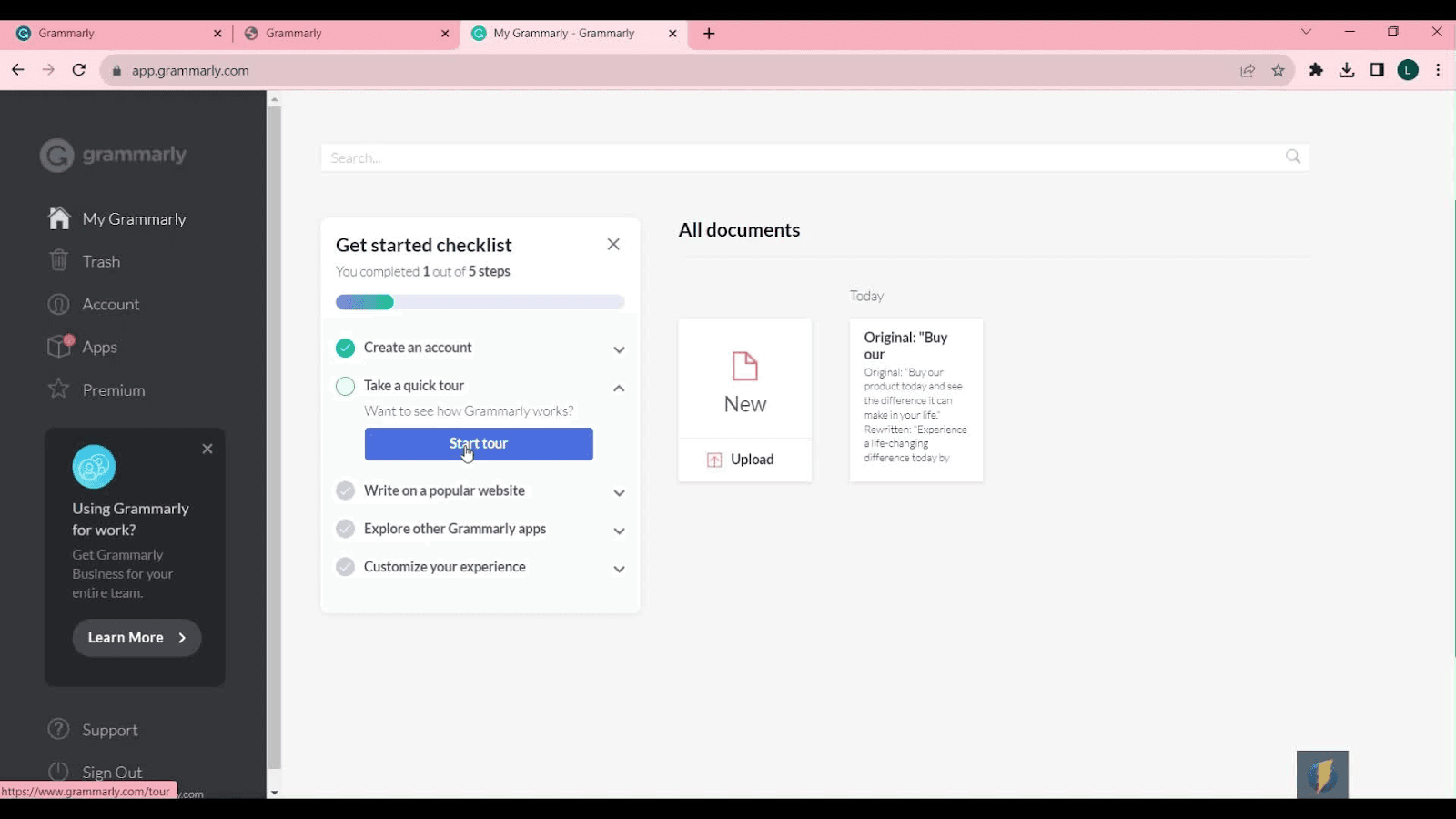
Eg: Grammarly guides new users straight to their “aha” moment—getting their first piece of writing corrected and then keeps them engaged with weekly performance reports.
2. Break Silos Between Teams
Your product, marketing, sales, and support teams should not be working in isolation.
Winning teams create shared goals: onboarding success rates, retention, activation milestones—not just MQLs and SQLs.
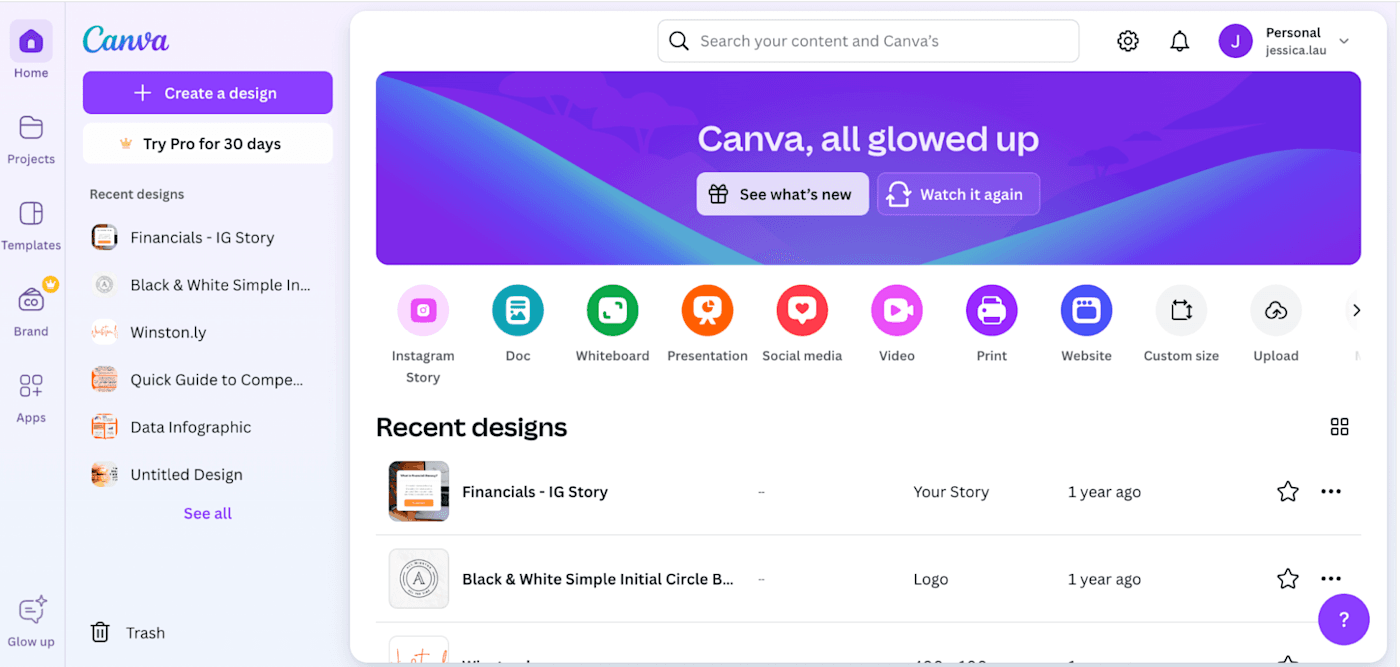
Eg: Canva’s onboarding and help center feel like extensions of its marketing—seamless, friendly, and unified.
3. Personalize at Scale
Use behavioral data to trigger the right message at the right time.
If a user hasn’t completed onboarding, send them a nudge. If they’re power-using a feature, suggest advanced tips or adjacent use cases.
But here’s the golden rule: only engage if it adds value.
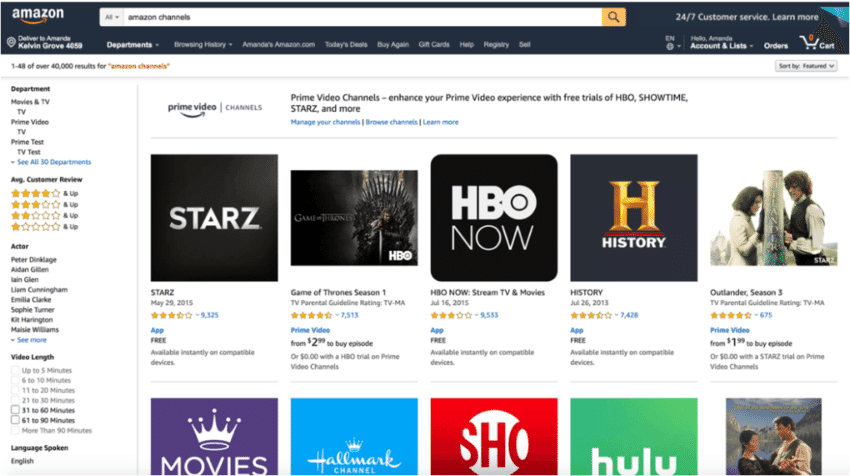
Eg: Amazon suggests products based on your behavior, making each visit feel custom-made.
4. Make Experience Effortless
Don’t just aim to delight—aim to remove pain.
Simplify forms. Speed up load times. Make cancellations and refunds easy (ironically, that builds trust). Customers are 2.4 times more likely to stick with a brand when their problems are solved quickly.
People remember bad experiences more than they remember flashy features.
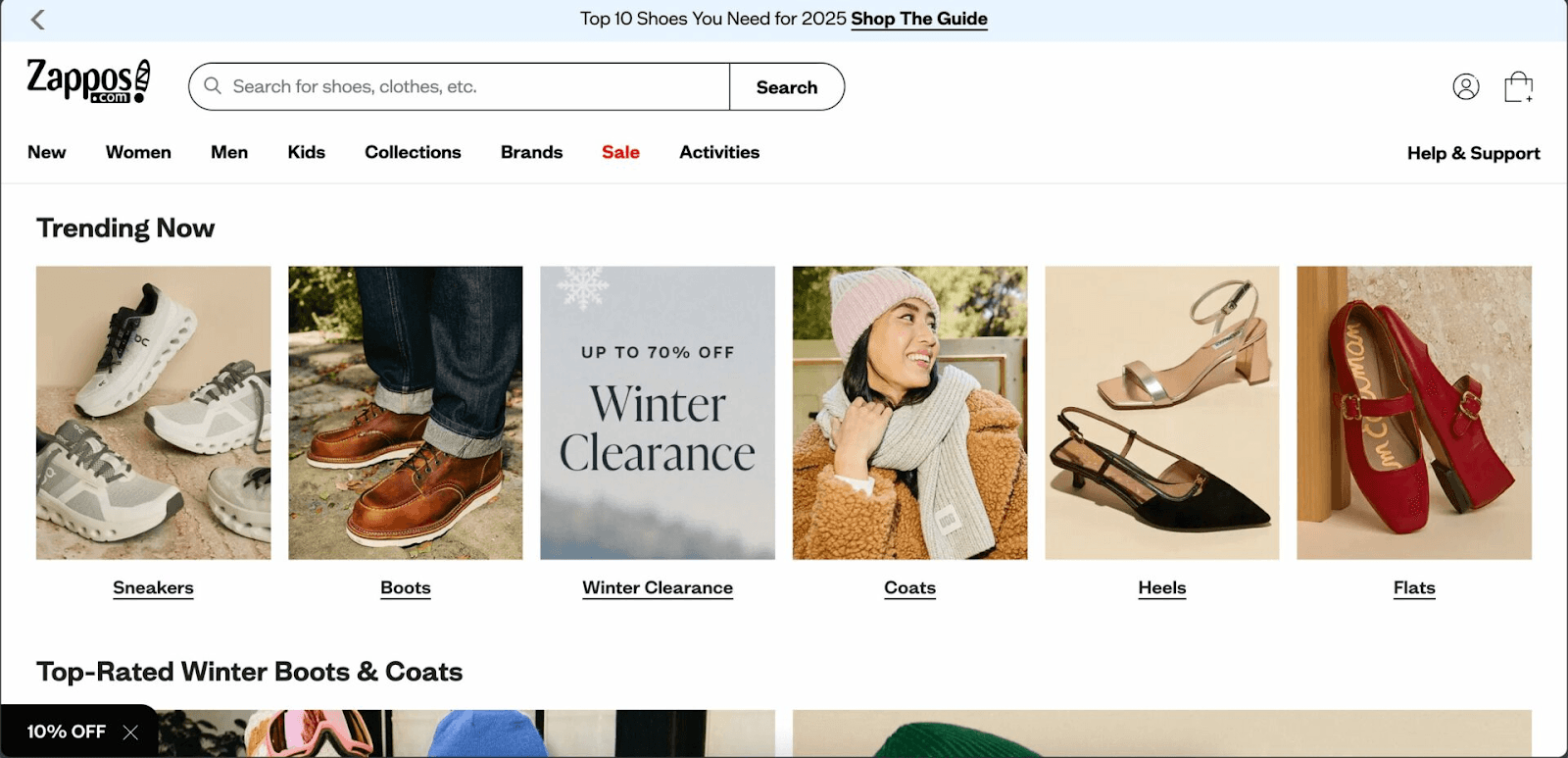
Eg: Zappos made a name for itself by simplifying returns, turning what most companies hide into a trust-building moment.
5. Iterate and Learn Fast
Both engagement and customer experience metrics are moving targets. Your product evolves, user behavior changes, and competitors catch up.
That’s why teams using PLG OS lean on continuous feedback, data loops, and testing to stay ahead.
The question isn’t “What worked last quarter?” It’s “What’s working right now?”
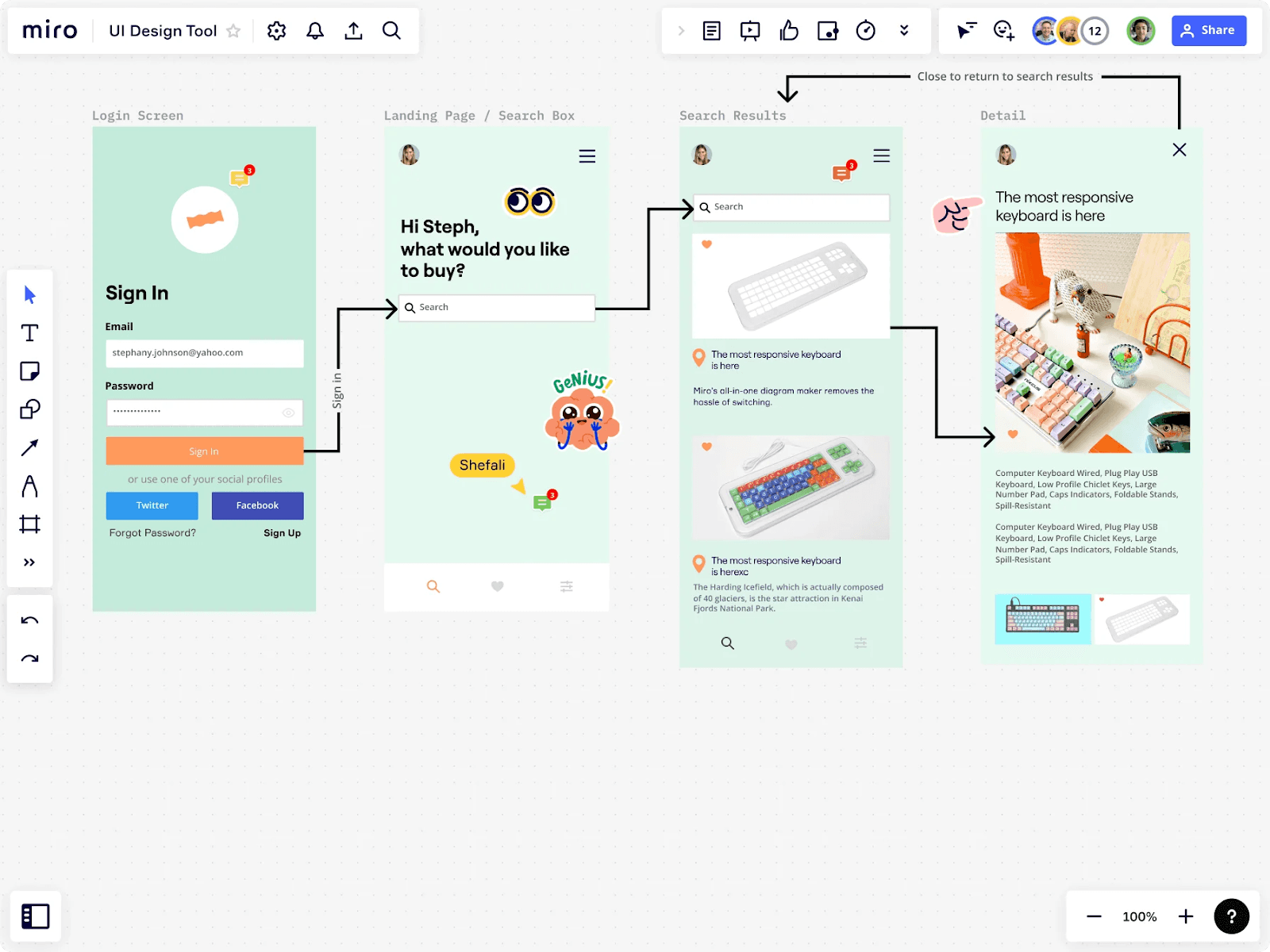
Eg: Miro, for example, uses data to tweak onboarding flows weekly. If users drop off at a certain point, they test new tutorials or engagement nudges instantly.
How PLG OS integrate customer engagement and customer experience?
PLG OS isn’t just another tool. It’s a strategic framework and community-driven platform designed to help teams align product, marketing, and growth to create better experiences and drive deeper engagement.
It gives you:
- A blueprint to map your product-led journey
- Playbooks for acquisition, activation, and retention
- Insights from top-performing PLG teams
- A centralized approach to unify product and go-to-market strategies
By adopting PLG OS, winning companies are mastering the art of combining customer experience and engagement into one cohesive engine for growth.
It’s not about chasing users. It’s about guiding them.
Final Thoughts: It’s a New Era of Growth
We’re living in a world where users don’t just want to use your product—they want to enjoy the journey.
Engagement keeps them interested. Experience keeps them invested.
One without the other is a missed opportunity.
Winning teams understand this. They don’t view customer experience and customer engagement as separate departments or one-time initiatives. They see them as two sides of the same growth strategy.
Because in the end, it’s not just about getting users in the door.
It’s about making them want to stay—and tell their friends.
FAQs
What is the difference between customer engagement and customer experience?
Customer experience is how customers feel about their journey with your brand; engagement is how actively they interact with it.
Why are both engagement and experience important?
Together, they drive loyalty—great experiences attract customers, while engagement keeps them coming back.
Can a business succeed by focusing on only one?
Not for long. A great experience without engagement fades, and engagement without good experience leads to churn.
What’s a real-life example of both done well?
Spotify offers a smooth listening experience (CX) and keeps users engaged with personalized playlists like Wrapped.
How can my team improve both?
Map the user journey, align teams, personalize at scale, remove friction, and iterate based on real-time feedback.