PLG OS vs UserPilot: Which Tool Takes the Lead in Customer Engagement?
Keeping consumers engaged is key to product-led growth, and having the correct tool can make a world of difference. The majority of organizations surveyed have already started a PLG motion, regardless of size or product type, with 40% having greater than $25K annual contract value (ACV).
PLG OS and UserPilot, two formidable competitors in the race to assist you in crafting exceptional user experiences.
One is a staunch advocate for personalization and automation, while the other is all about keeping things simple and fostering real-time interaction. Which one, then, will be more successful in attracting your target audience? Now that we have the basics down, let's see which tool best engages customers!
What is PLG OS?
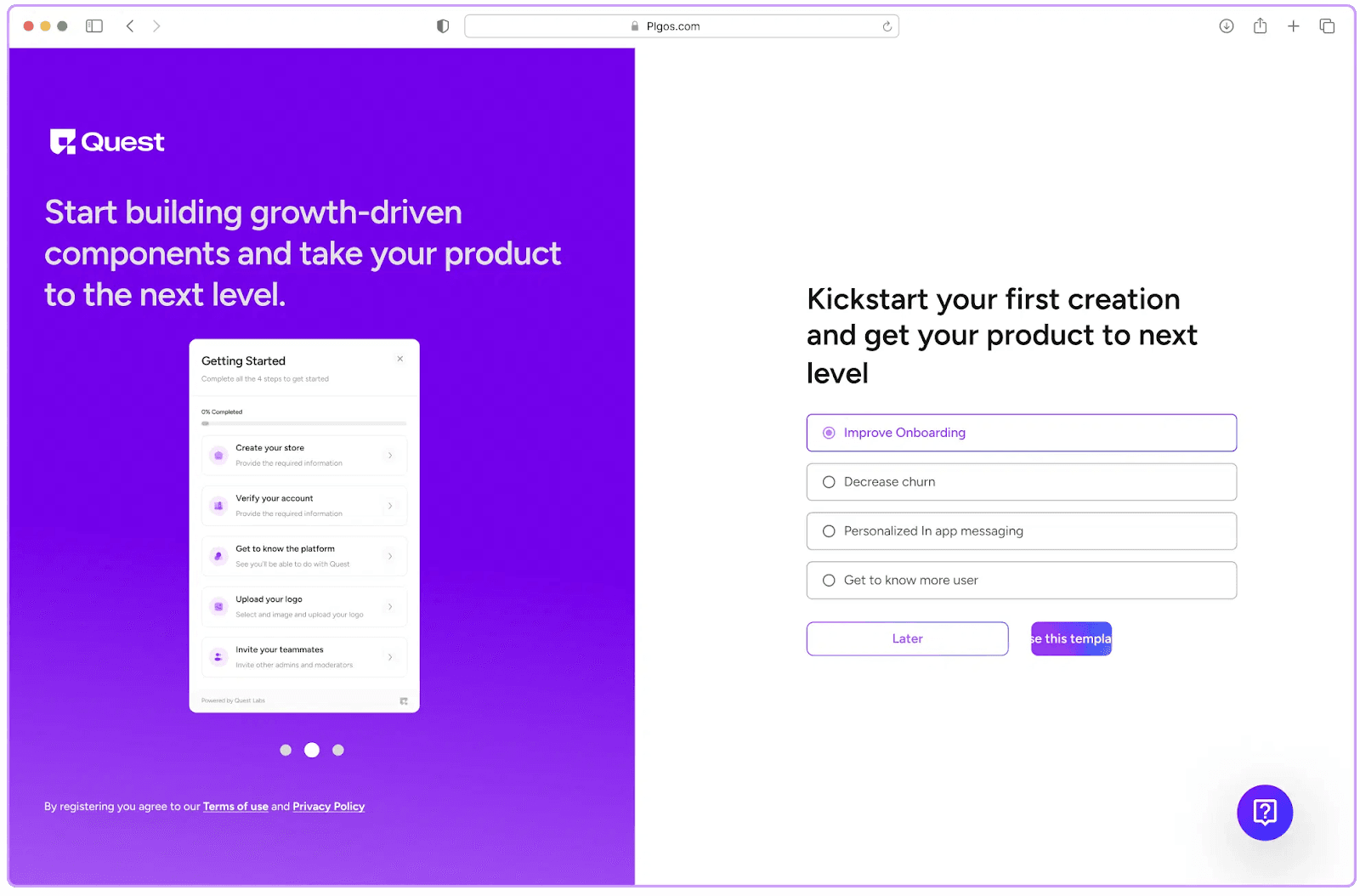
Developed to simplify and improve the user experience for startups and SaaS products, PLG OS is an all-inclusive customer engagement platform. Customer service, onboarding, feedback, and gamification are all handled by PLG OS, consolidating them into one economical platform.
User Onboarding: PLG OS provides customizable onboarding templates that may be adjusted according to the user's profession, making them tailored to the complexity of your product. For instance, designers and engineers go through separate onboarding processes to ensure they have the right information.
AI-Powered Chatbot: Say goodbye to repetitive customer support tasks. To make sure customers have a smooth experience, the PLG OS chatbot can be customized to match the tone of your business. It handles everything from frequently asked questions to task reminders.
Feedback & Surveys: Get to know your consumers better usingfeedback and surveys. To improve your product based on actual user input, PLG OS provides a number of templates that allow you to gather feedback at various points in the user experience. Plus, what's even better? There is no cost at all.
Gamification: Use gamification techniques to entice users to return, such as streaks, leaderboards, and spin-the-wheel. Gamificationincreases engagement and retention easily; it is simple to use and integrate.
What is UserPilot?
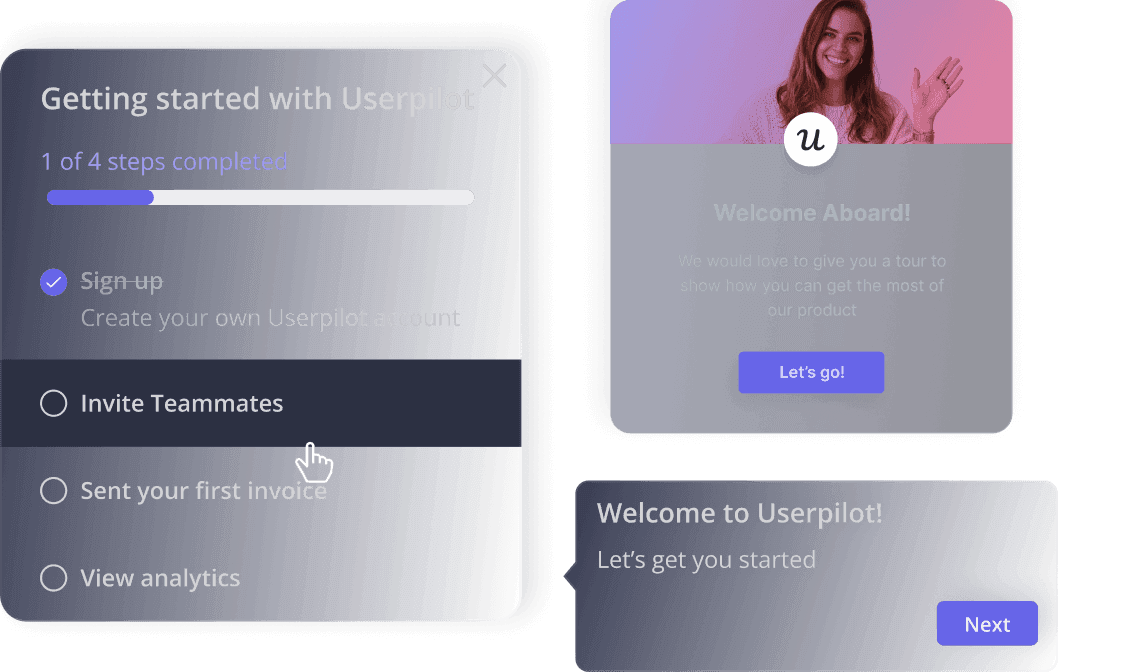
UserPilot is another well-known tool that helps businesses get new users by giving them unique onboarding experiences and encouraging them to interact with the app while they're using it. It lets teams make self-service, interactive product tours, polls, and feedback forms that improve the customer experience and get them more involved.
No-code builder : To make flows with UserPilot, all you have to do is add the Chrome app, pick which UI patterns you want to use, and then change the content and settings to fit your needs. You can also make modals, slideouts, tooltips, and driven actions with themes.
Native tooltips : You can use UserPilot to make tooltips that appear when users move their mouse over an element or click on an information badge. Because these native tooltips are attached to the element, they will show up on any screen where that element is visible, not just on the page where it is located.
Funnel metrics : With UserPilot's advanced analytics, you can make funnel metrics that show how the onboarding process is going. It's also possible to add filters (such as name, user ID, signup date, operating system, country, etc.) and keep an eye on the overall conversion rate from the launch to the finish.
User segmentation : UserPilot lets you divide users into groups based on the device they're using, where they are, their engagement data, or the NPS score they chose in the most recent poll. Then, you can sort your data dashboards by segment to see which groups have the most trouble with onboarding.
PLG OS vs UserPilot
| Feature | PLG OS | UserPilot |
|---|---|---|
| All-in-One Platform | Yes, includes onboarding, support, feedback, gamification, and more. | No, requires integration with third-party tools. |
| Customizable Onboarding | 100% customizable templates based on user profession and brand style. | Customizable, but with limitations in tailoring to the user profession. |
| AI-Powered Chatbot | Fully customizable chatbot with AI capabilities for automated support and notifications. | Offers chatbot features but lacks deep AI integration. |
| Feedback & Surveys | Multiple templates for customer feedback throughout their journey (FREE of cost). | Feedback features available, but advanced options require higher pricing tiers. |
| Gamification | Built-in gamification features like spin-the-wheel, leaderboards, and streaks to drive engagement. | Basic gamification features, but less interactive and engaging than PLG OS. |
| Cost Efficiency | Affordable pricing with a comprehensive suite of tools in one platform. | Expensive for the full feature set; often requires multiple tools. |
| Ease of Integration | Seamless integration with your existing platform. | Requires more complex integrations with external tools. |
| Customer Support | 24/7 support, plus an easy-to-set-up chatbot for instant answers. | Limited support with more reliance on external integrations. |
| Flexibility | Extremely flexible in adapting to various user types and industries. | Less flexible, with fewer options for customization. |
1. All-In-One vs. Specialized Solutions:
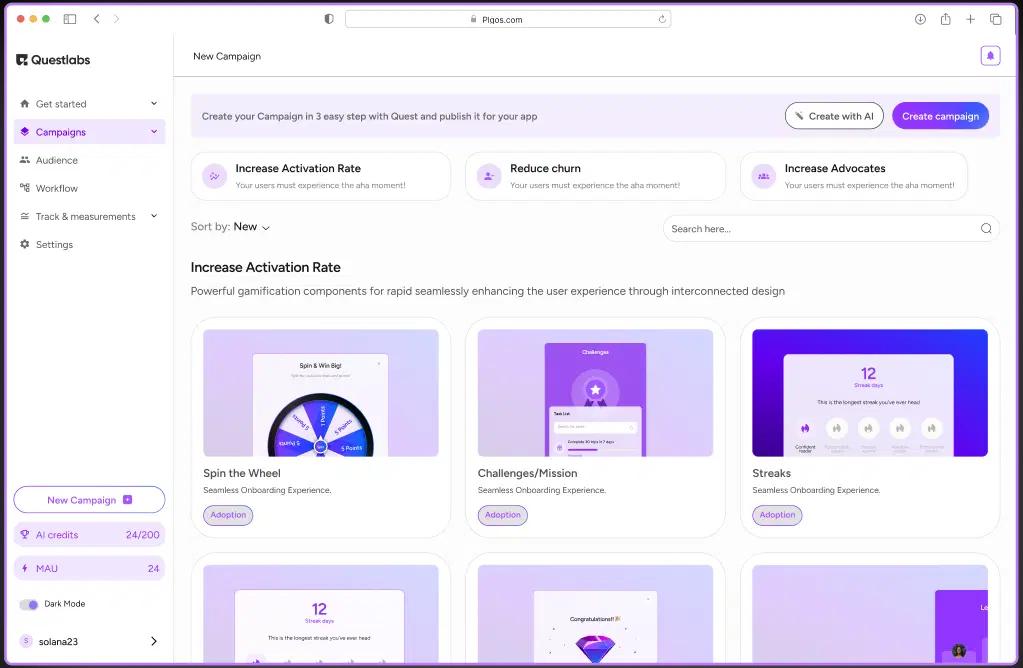
PLG OS: An all-in-one platform, it integrates user onboarding, AI-powered chatbots, feedback surveys, and gamification. Startups and expanding companies won't have to juggle multiple tools or compromise on quality. Everything is here, orderly arranged, and adaptable to your brand's style.
UserPilot:UserPilot specializes mainly in in-app experiences even though it also pays close attention to onboarding and user involvement. Though it lacks the complete range of functionalities PLG OS provides, it has outstanding capabilities for interactive walkthroughs and customized onboarding routines.
2. Flexibility and customizing:
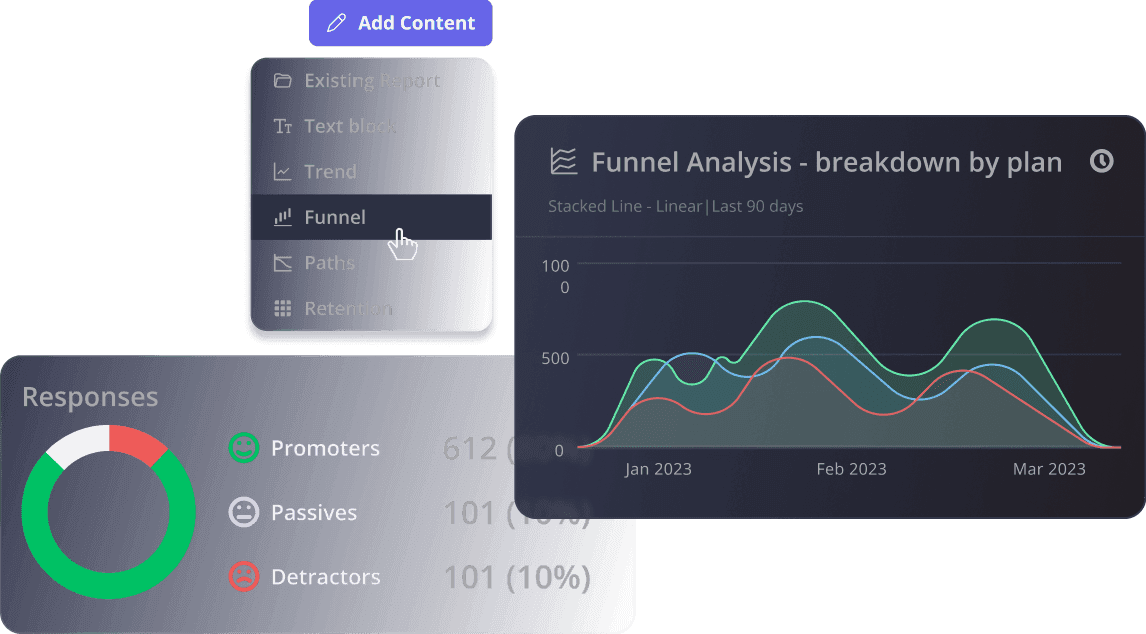
PLG OS: PLG OS excels in customization. Every element is designed for adaptability, from highly customizable chatbots speaking the tone of your brand to specialized user onboarding templates fit to particular professions ( designers vs. engineers). You may easily change everything, including font styles and colors.
UserPilot:UserPilot excels in the area of personalizing as well. Although the platform's adaptability is more concentrated on improving the onboarding process than it is on offering an all-encompassing engagement approach like PLG OS, the flows and tool tips can be customized.
3. Engagement Features:
PLG OS: The gamification tools on the PLG OS - spin-the-wheel, leaderboards, streaks, quickly draw a crowd. These interactive components increase user engagement and retention, motivating consumers to return for more. All are available at very reasonable price, you also get strong comments and survey tools to grasp the pain issues of your clients.
UserPilot:The strength of UserPilot is in its onboarding and product tours; long-term involvement lacks the dynamic, gamified choices PLG OS provides. It's fantastic for starting users, but it might not be able to keep them involved past the first few steps.
4. Price Point:
PLG OS: Startups and expanding companies would find PLG OS, with all-in-one capabilities and moderate price range, to be a wonderful fit.
- Starter-$39/ per month
- Growth- $99/ per month
- Scale-$349/ per month
UserPilot: Particularly when you scale, it is more expensive than PLG OS; so, if your budget is limited, PLG OS is the more affordable choice.
Reasons a UserPilot alternative might be better for you
The features that are available at the lowest price point of UserPilot are enticing since they deliver value to the consumer right out of the box, which is why it is popular.
There are limitations to these functions, though. While a younger company's product experience demands might be met by UserPilot, more established businesses looking for innovative or cutting-edge solutions would be better off looking elsewhere. Reason being:
UserPilot lacks crucial integrations
If your product experience platform doesn't interact effectively with your tool stack, you won't be able to produce an outstanding in-app experience. You can't transmit and receive as much vital customer data from extremely popular CRMs like HubSpot and Salesforce with UserPilot because the two don't link.
Furthermore, prominent analytics solutions such as Amplitude and Mixpanel do not have two-way connectivity with UserPilot. This limits its ability to transmit data to these tools and prevents it from receiving data from them. Unfortunately, UserPilot is unable to access the valuable consumer information that has been locked away in your other technology stack products.
UserPilot gets buggy
There have been several complaints about how glitchy the product is. These issues manifest themselves at two distinct points in time: first, during implementation, and second, while trying to construct extremely big product tours. The second problem is especially worrisome for businesses that rely on reliable experience software to manage their intricate product requirements.
You might attribute this clumsiness to a lack of experience. The market debut of UserPilot occurred in 2016. Startups have a chance to undercut the competition by offering new ideas and maybe lower prices. However, some difficulties come with inexperience that more established businesses don't usually have, such as Appcues and WalkMe.
UserPilot isn't very user-friendly
The fact that the UserPilot user interface can be rather difficult to use at times is frequently mentioned in reviews. This adds unnecessary complexity to the process of utilizing its more advanced capabilities, which are otherwise very useful. Some users may wish that UserPilot had added more useful advice while creating in-app instructions for their goods.
Which one should you choose?
Both PLG OS and UserPilot are powerful tools that can enhance customer engagement through product-led growth strategies. But PLG OS is the best option if you want a platform that offers deep analytics, advanced automation, and great customizing in addition to driving interaction.
PLG OS is the instrument you will enable you to create a really product-led growth plan maximizing customer engagement, retention, and revenue. Invest in PLG OS and elevate your efforts at consumer involvement. Book your call today to get a product demo.
FAQs
What is PLG OS?
PLG OS is a comprehensive product-led growth platform that helps businesses drive user engagement through automation, personalized experiences, and deep data insights.
What is UserPilot best known for?
UserPilot is best known for its easy-to-use onboarding tools and in-app engagement features that help businesses improve user adoption quickly.
Which tool offers better automation for customer engagement?
PLG OS offers more advanced automation capabilities, allowing businesses to create personalized, triggered campaigns based on user behavior.
Is PLG OS suitable for small businesses?
While PLG OS is highly customizable and feature-rich, it may be more suitable for mid-to-large businesses due to its complexity and pricing.
Why choose PLG OS over UserPilot?
Choose PLG OS if you need a scalable, data-driven platform with advanced automation and segmentation to enhance customer engagement at every stage.