5 Strategies for AI Feedback Integration for SaaS
In SaaS, feedback is more than a support function; it’s a growth engine. Every customer comment, survey response, or chat transcript holds valuable insight. Yet, many companies still struggle to convert that feedback into real product decisions.
The reason? Scale.
As your product grows, so does the volume of user data, making it nearly impossible to manually track, analyze, and prioritize everything.
This is where AI feedback integration changes the game.
AI doesn’t just collect feedback, it interprets context, prioritizes patterns, and triggers personalized actions. By integrating AI into feedback systems using tools like PLG OS and Greta, SaaS teams can automate the entire feedback cycle, uncovering actionable insights in real-time.
How AI Tools Elevate Customer Feedback Collection and Analysis
AI doesn’t just make feedback faster, it makes it smarter. By combining automation with intelligence, AI tools transform raw customer input into insights that drive satisfaction, retention, and growth.
Here’s how:
1. Process feedback in minutes, not weeks
Manual analysis can’t keep pace with growth. A small team might handle 100 responses weekly,but what about 2,000?
AI can instantly process unlimited volumes of feedback, surfacing insights like:
“Trial users abandon setup at Step 3 because the integration instructions are unclear.”
This speed matters. Companies that act on feedback faster consistently see higher retention rates.
Customer expectations are also shifting; nearly 46% of business buyers are open to working with AI agents for quicker service, and 38% of customers are comfortable with AI generating personalized content. The message is clear: responsiveness drives loyalty.
2. Capture feedback across every channel
Customer feedback now spans multiple sources, including in-app prompts, support tickets, G2 reviews, and even social posts.
AI tools centralize these inputs into a single, unified dashboard, highlighting cross-channel insights such as:
“Enterprise users praise features but consistently report a poor mobile experience.”
This unified visibility enables teams to respond early, reducing churn and increasing satisfaction. As a bonus, global investments in AI are delivering huge returns; every new dollar spent on AI is projected to generate $4.90 in additional economic value.
3. Uncover patterns humans might miss
Where human analysts see noise, AI detects meaning.
Machine learning models can cluster similar feedback, measure sentiment, and reveal insights like:
“Users mentioning ‘confusing’ are all struggling with the same three UI elements.”
This level of precision drives smarter prioritization. According to PwC, 82% of customers remain loyal to brands that continually enhance their experience, exactly what AI enables by helping teams focus on the most impactful improvements.
4. Turn feedback into actionable product insights
The real power of AI lies in connecting feedback directly to product behavior.
Instead of vague insights like “users want better onboarding,” AI can tell you:
“SMB users who skip the tutorial are 3x more likely to churn within 14 days,” and even recommend personalized in-app guidance to fix the issue.
AI-driven personalization and feedback automation are transforming the way teams operate, particularly among younger, tech-savvy audiences.
Research shows 77% of consumers aged 18–34 prefer automated, self-service solutions, compared to just 13% of those aged 55–74. This generational divide underscores a clear shift towardspeed, simplicity, and AI-driven assistance.
Why AI Feedback Integration Matters in SaaS
SaaS products evolve quickly, new features launch, user flows shift, and expectations change. Yet, most feedback systems are static, slow, and disconnected from product data.
AI-powered feedback strategies transform that by bringing automation, intelligence, and personalization to every feedback touchpoint.
When AI is embedded in your feedback loop:
- You collect insights at the moment of interaction.
- You analyze thousands of responses instantly.
- You close the feedback loop automatically.
That’s the foundation of feedback automation with AI, and it’s how modern, product-led SaaS companies stay ahead.
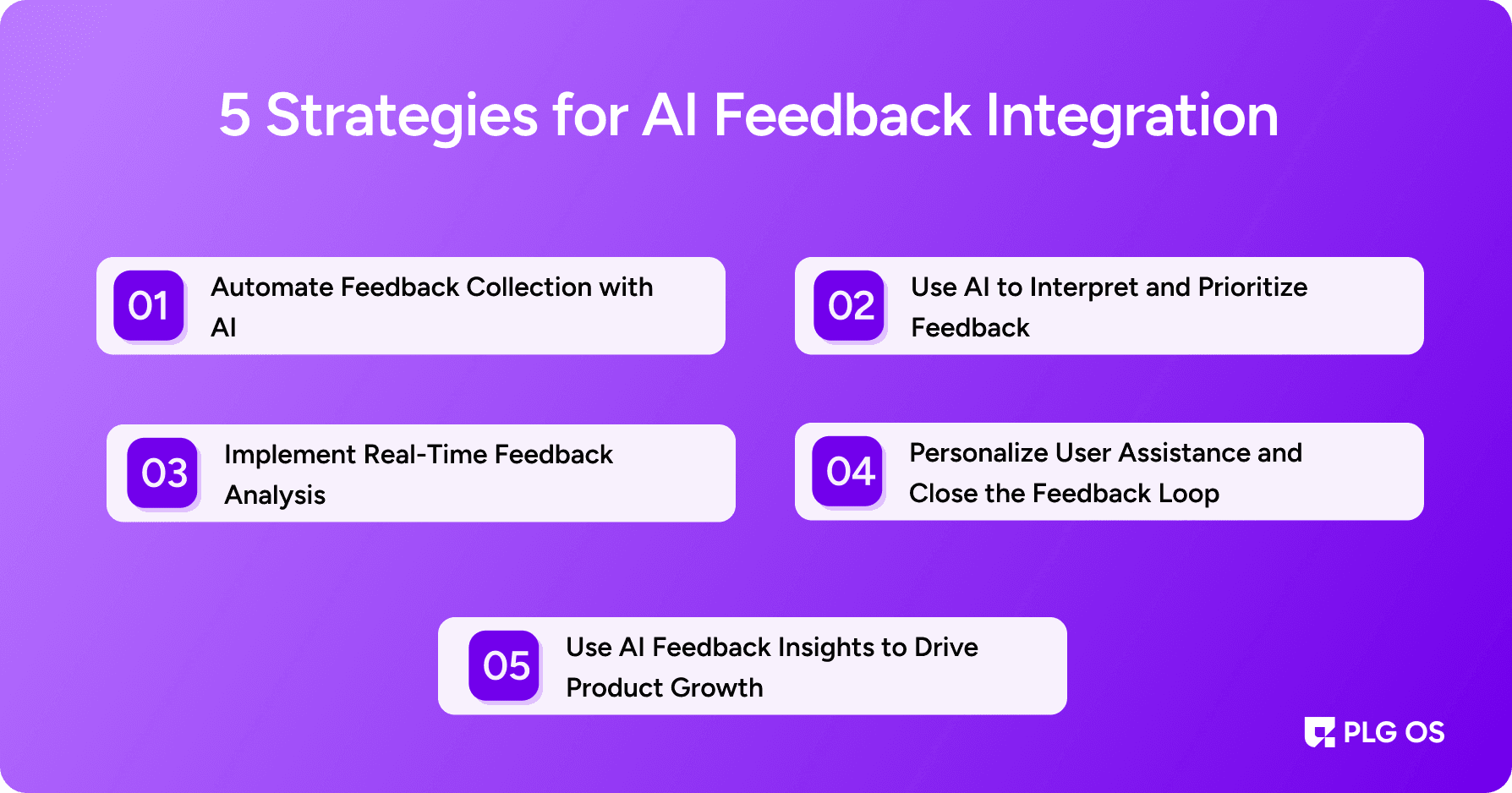
Strategy 1: Automate Feedback Collection with AI
The Challenge: Manual and Delayed Feedback
Traditional surveys and feedback forms often arrive too late; users have already disengaged. Worse still, static emails or post-interaction surveys often yield low response rates and lack context.
The Fix: Feedback Collection Automation
AI transforms how feedback is gathered by making it contextual and in-the-moment. Instead of waiting for users to fill long surveys, AI tools can trigger micro-feedback prompts based on user behavior.
With PLG OS, SaaS teams can use the Feedback & Surveys feature to automate this process. AI models within PLG OS analyze user patterns, identifying when engagement drops or friction occurs, and trigger smart micro-surveys.
Example:
A user pauses during onboarding or repeats an action.
- PLG OS detects the pattern.
- Greta, your conversational AI, appears in-app and asks: “Looks like you’re stuck. What’s unclear here?”
- The response is auto-tagged, analyzed for sentiment, and sent to your PLG OS dashboard.
This seamless integration captures authentic, real-time insights directly in the flow of product use, without user fatigue.
Real-World Example: Notion’s Contextual Feedback Loops
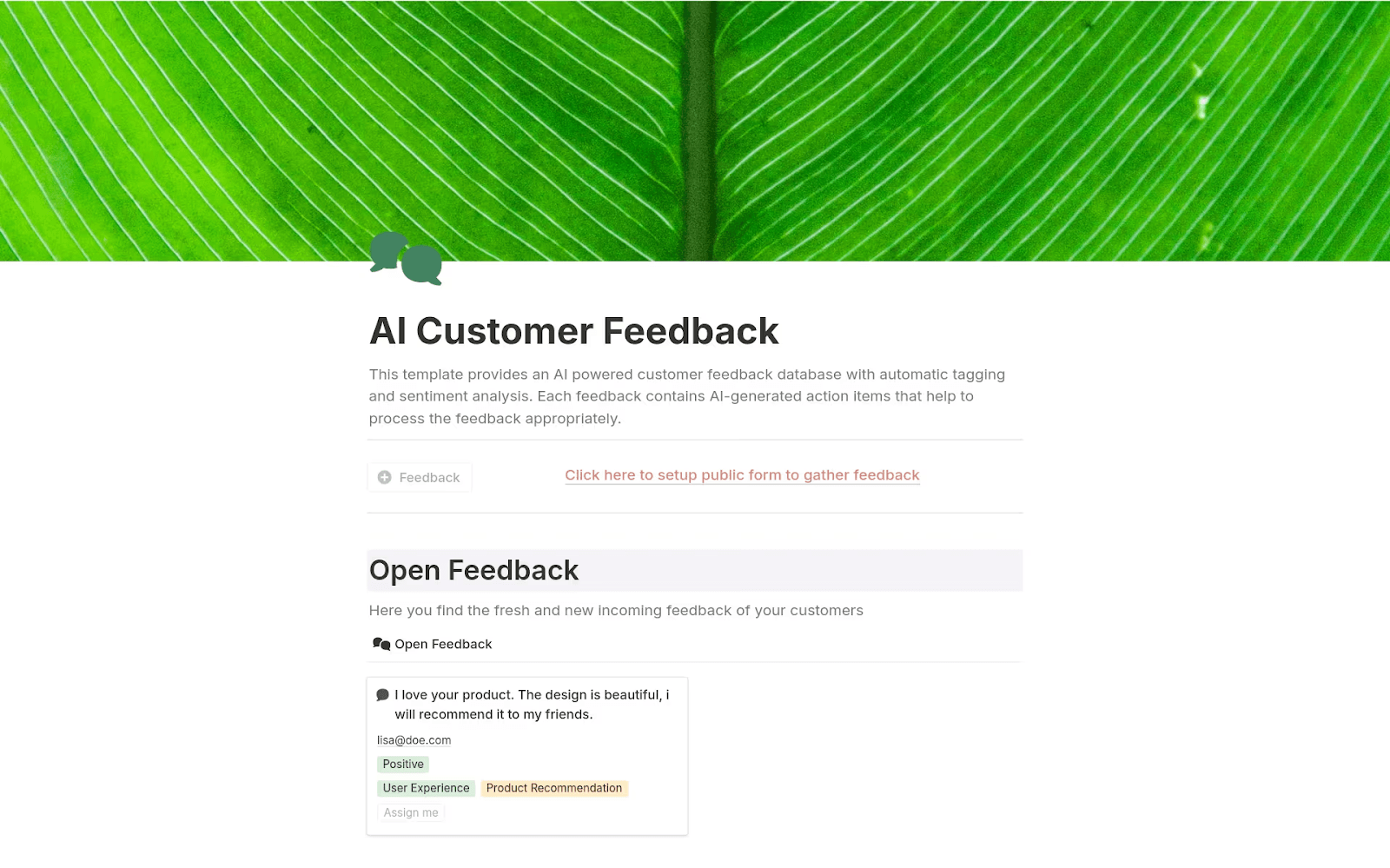
Notion captures feedback through short, contextual prompts inside the app rather than generic emails. It’s simple, timely, and relevant, leading to higher completion rates.
Using PLG OS + Greta, any SaaS company can replicate that model, combining behavioral triggers with AI-powered conversations to capture deeper user intent.
Strategy 2: Use AI to Interpret and Prioritize Feedback
The Challenge: Too Much Unstructured Data
Once feedback rolls in, teams face a new problem: how to interpret thousands of open-ended comments, tickets, and chat transcripts.
Manually tagging them? Impossible.
The Fix: AI in Feedback Loops for Prioritization
AI-powered tools like Greta excel at reading between the lines. Using NLP (Natural Language Processing), Greta automatically:
- Detects sentiment (positive, neutral, negative).
- Groups similar feedback into clusters.
- Scores each item by urgency or impact.
When connected to PLG OS, those insights become visible alongside usage analytics. The result?
You can see not only what users said, but what they did right before saying it.
Example:
Greta notices users mentioning “slow load times.” PLG OS shows those users are mostly on the “Pro” plan and recently upgraded.
Together, the tools highlight a performance bottleneck tied to a high-value customer segment, enabling you to prioritize it more effectively.
Real-World Example: Intercom’s Feedback AI
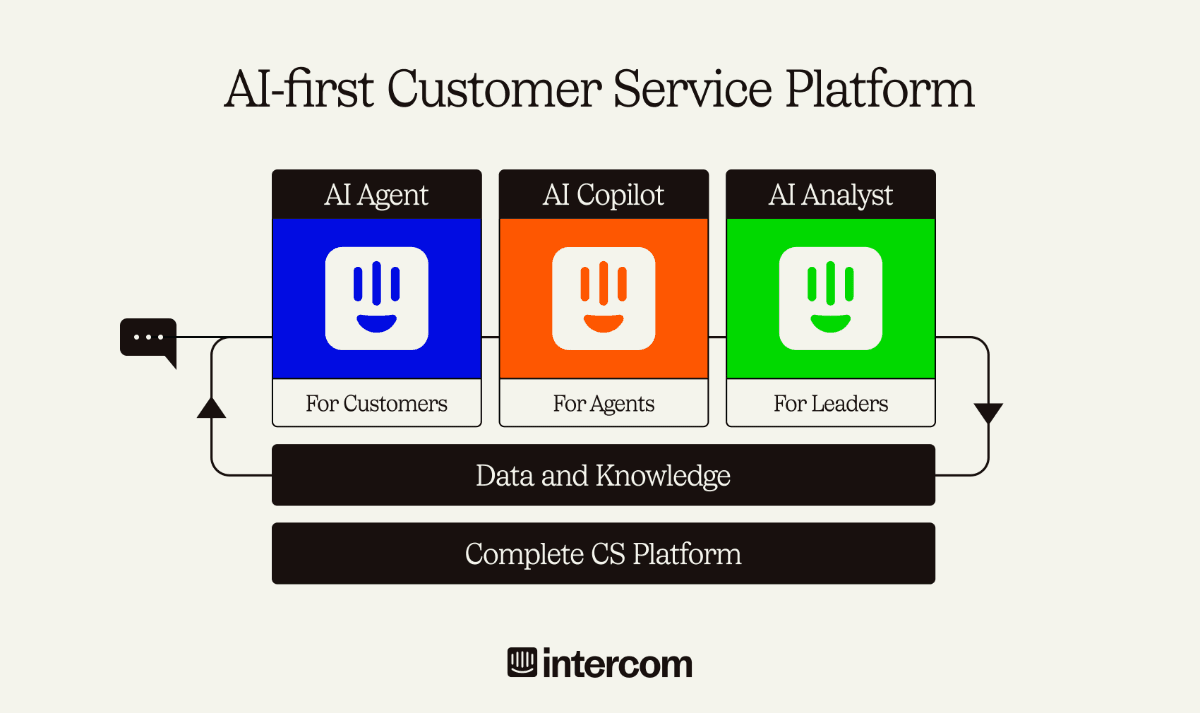
Intercom utilizes machine learning to categorize thousands of daily chat conversations, identifying recurring issues and automatically routing them to the relevant product or support teams.
PLG OS and Greta bring this capability to any SaaS without needing an internal data science team.
Strategy 3: Implement Real-Time Feedback Analysis for Continuous Learning
The Challenge: Lagging Insights
Quarterly NPS reports and monthly feedback summaries belong to a slower era. In fast-moving SaaS, product sentiment can change in hours, not weeks.
The Fix: Real-Time Feedback Analysis
By integrating AI into feedback systems, SaaS teams can monitor sentiment in real-time.
PLG OS acts as the product data backbone, capturing engagement metrics and usage signals in real-time.
Greta processes open-text feedback and detects sentiment shifts or anomalies as soon as they appear.
For instance, if Greta notices a sudden spike in “confusing UI” mentions after a new release, PLG OS can correlate it with drop-offs in onboarding. The product team can react the same day, not the next quarter.
Real-World Example: Slack’s Real-Time Feedback Radar
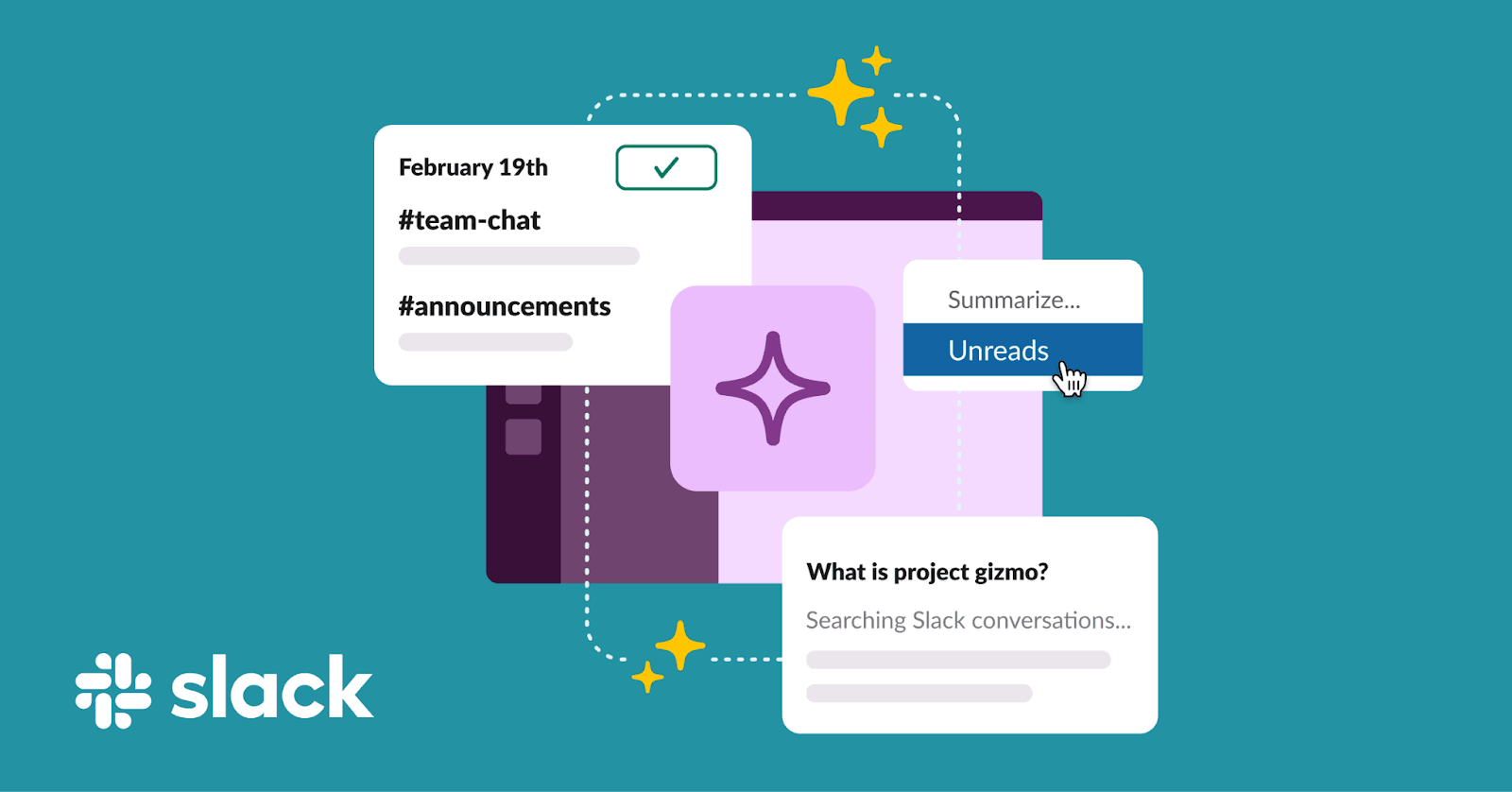
Slack continuously monitors social sentiment and in-app feedback. When users express frustration with new features, the product team responds within hours, often issuing hotfixes or clarifications immediately.
By integrating Greta’s sentiment detection with PLG OS’s live dashboards, SaaS teams of any size can achieve this level of responsiveness.
Strategy 4: Personalize User Assistance and Close the Feedback Loop
The Challenge: Unacknowledged Feedback
One of the biggest user frustrations is never hearing back after giving feedback. That silence breaks trust and discourages future participation.
The Fix: Feedback Management with AI
AI can automate personalized acknowledgment and follow-up so users feel heard instantly. Here’s how Greta and PLG OS make it happen:
- Greta acknowledges feedback with empathy in real time.
- PLG OS logs that interaction, triggers relevant playbooks, and ensures the user’s issue is followed up internally.
- Once resolved, PLG OS automates a message: “We’ve improved the export speed based on your feedback. Thanks for helping us grow!”
PLG OS also lets you gamify feedback using its Loyalty & Gamification module, rewarding users for participating, helping, or suggesting ideas.
Real-World Example: Canva’s Instant Feedback Acknowledgment
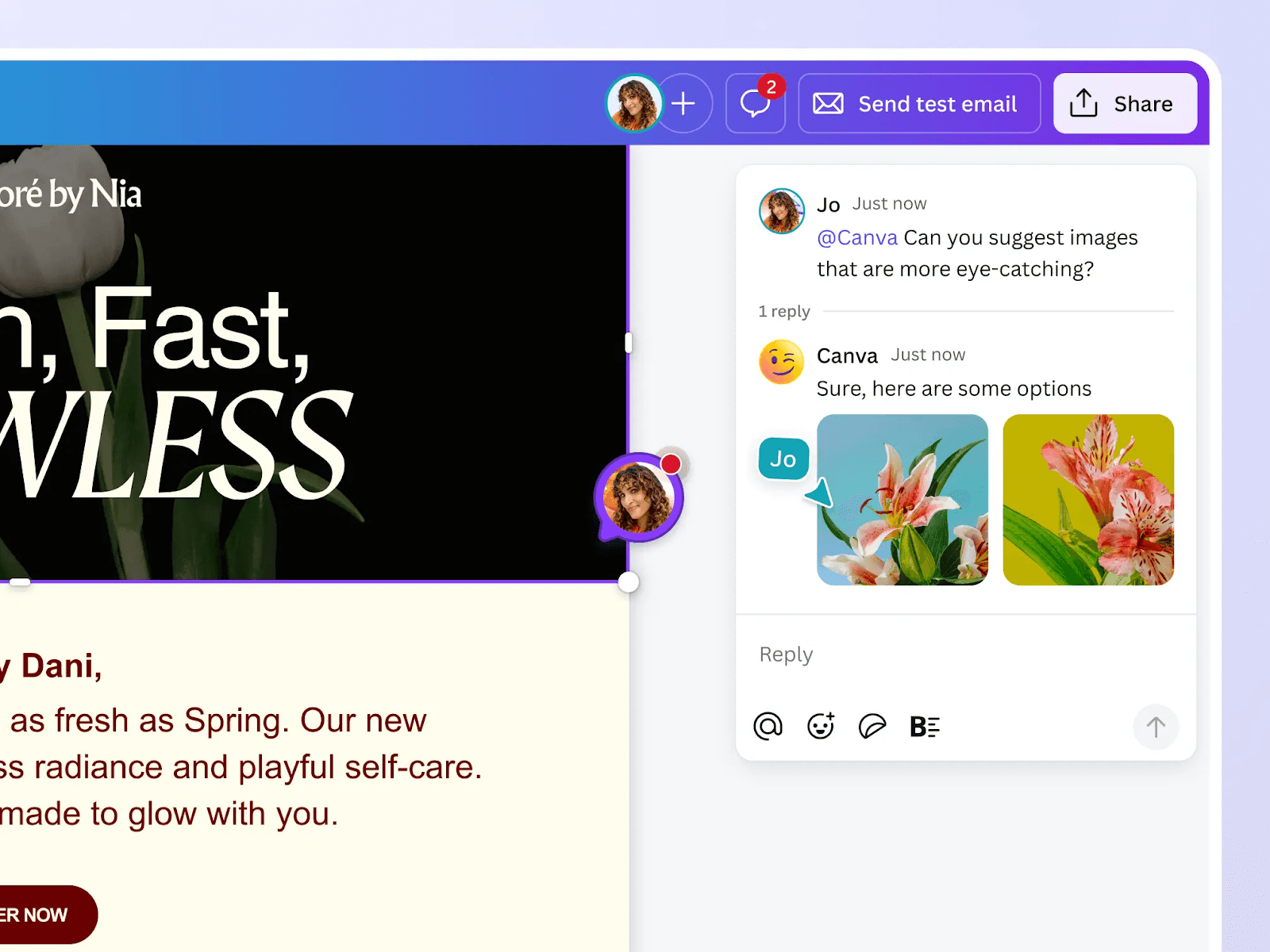
Canva uses automation to respond to feedback immediately. If a user reports a bug or a missing feature, the system thanks them, provides a workaround, and flags the issue internally.
The PLG OS + Greta duo can do this automatically, combining Greta’s conversational empathy with PLG OS’s workflow automation.
Strategy 5: Use AI Feedback Insights to Drive Product Growth
The Challenge: Feedback Stuck in Silos
Feedback is often trapped within support or CS tools, never reaching the product team. That creates blind spots in decision-making.
The Fix: Customer Feedback AI Analytics for Product Growth
AI bridges that gap by connecting qualitative feedback (what users say) with quantitative product data (what they do).
PLG OS tracks onboarding completion, feature adoption, and engagement trends. Greta interprets user feedback sentiment and intent. Together, they generate a unified growth intelligence layer.
Example:
Greta detects negative sentiment around “integration setup.” PLG OS shows a 25% drop in setup completion for that feature.
The product team responds by simplifying the integration flow, and retention rises.
Real-World Example: HubSpot’s Predictive Feedback Model
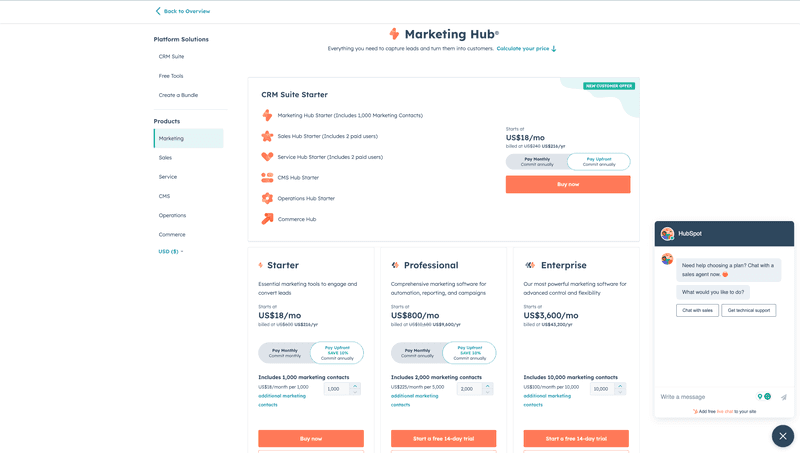
HubSpot utilizes AI models to correlate feedback tone with the probability of churn. Accounts with consistently negative feedback are flagged for proactive outreach.
With Greta + PLG OS, smaller SaaS companies can implement the same predictive feedback engine without enterprise-level complexity.
How to Choose the Right AI Customer Feedback Tool
The right AI feedback solution doesn’t just collect data,it connects insights to action. Whether you’re evaluating Greta, PLG OS, or any other platform, your goal should be to understand, prioritize, and respond to user needs in context.
Here are five key questions to guide your decision, adapted from a product-led growth perspective:
1. Does it collect feedback in the flow of product use?
Generic email surveys miss the moment of truth. Choose tools that gather feedback natively inside your product, such asPLG OS’s Feedback & Surveysand Optimize Onboarding modules.
With Greta’s conversational layer, feedback feels natural, and users share insights as they interact with features, leading to higher authenticity and response rates.
2. Can it analyze unstructured responses automatically?
AI and NLP capabilities are critical. Greta can automatically analyze open-text feedback, support tickets, and chat logs, clustering similar responses and detecting sentiment at scale.
This eliminates the need for manual tagging or reading through endless text fields.
3. Does it integrate with your product data and user personas?
Feedback without context is just noise. PLG OS connects AI feedback data with product usage, user segments, and lifecycle stages, allowing you to see not only what users say, but also which users say it and when.
By linking feedback to personas, your team can tailor fixes and improvements for maximum impact.
4. Can it spot anomalies and trends proactively?
AI-driven tools should help youidentify risks before they appear in your metrics. With Greta’s real-time analysis, sudden sentiment drops or recurring complaints trigger alerts in PLG OS dashboards, enabling you to act before churn increases.
This predictive intelligence gives you a head start in customer retention and feature improvement.
5. Does it help you close the loop with customers?
Feedback without follow-up is a lost opportunity. PLG OS automates feedback-to-action workflows, updating users when their input drives a change, rewarding them through gamification, and maintaining consistent communication.
Paired with Greta’s conversational tone, users feel acknowledged and engaged, turning feedback into a relationship, not a transaction.
The PLG OS + Greta Approach
Together, PLG OS and Greta create a feedback system that is:
- Native: Feedback is collected directly in-app, without disrupting flow.
- Intelligent: AI clusters, analyzes, and prioritizes unstructured responses.
- Connected: Insights are tied to behavioral and persona data.
- Proactive: Sentiment shifts are detected instantly.
- Responsive: Feedback loops close automatically through conversation and automation.
Whether you’re a product manager, customer success lead, or growth marketer, the PLG OS + Greta stack transforms feedback into actionable intelligence,improving satisfaction and reducing churn.
The PLG OS + Greta Integration Blueprint
| Stage | PLG OS Role | Greta Role | AI Outcome |
|---|---|---|---|
| 1. Collection | In-app feedback triggers and behavior detection | Conversational data gathering | Authentic, contextual feedback |
| 2. Interpretation | Aggregates data by persona and stage | NLP-based sentiment and topic tagging | Structured insights |
| 3. Analysis | Correlates feedback with product usage | Detects anomalies and trends | Predictive insights |
| 4. Response | Executes automated workflows and gamification | Sends empathetic replies and updates | Closed feedback loops |
| 5. Growth Intelligence | Surfaces actionable analytics | Synthesizes learnings for product teams | Smarter product decisions |
Final Thoughts: Feedback that Drives Growth, Not Just Reports
Integrating AI into feedback systems isn’t about replacing human empathy; it’s about scaling it.
With Greta’s AI-powered feedback interpretation and PLG OS’s product-led growth orchestration, SaaS companies can finally build a feedback engine that listens, learns, and acts continuously.
The future of SaaS feedback is:
- Real-time, not retrospective.
- Conversational, not transactional.
- Predictive, not reactive.
The combination of Greta + PLG OS empowers teams to uncover hidden insights, automate responses, and turn every customer interaction into an opportunity for growth.
That’s not just smarter feedback management with AI, it’s product-led intelligence.
FAQs
1: What is AI feedback integration?
AI feedback integration refers to the use of artificial intelligence to collect, analyze, and respond to customer or user feedback automatically. It connects feedback systems with AI models that can interpret sentiment, identify trends, and recommend next steps — reducing manual work and accelerating insights.
2: How does AI improve feedback management in SaaS?
AI enhances feedback management by automatically categorizing and prioritizing responses, detecting sentiment changes in real time, and linking insights to user behavior. This helps SaaS teams address pain points faster and deliver more personalized experiences.
3: What are some examples of AI-powered feedback tools?
Platforms like Greta and PLG OS integrate AI into the feedback loop. Greta helps automate survey analysis, detect sentiment trends, and surface insights from open-text responses. PLG OS connects this intelligence directly to user behavior data, enabling in-app nudges, onboarding improvements, and automated product engagement.
4: Can AI replace human feedback analysis completely?
Not entirely. While AI can process large volumes of data faster and more accurately, human oversight remains crucial for interpreting context, tone, and strategic implications. The most effective approach combines AI automation with human judgment.
5: How can SaaS companies start integrating AI into their feedback systems?
Begin by identifying repetitive or data-heavy feedback tasks that can be automated. Use tools like PLG OS for in-app survey delivery and Greta for AI-based analysis and trend detection. Integrating both creates a seamless loop, from collection to insight to in-product action.