6 Customer Retention Metrics for SaaS (With Formulas & Examples)
If you’re running a SaaS business, keeping customers around isn’t just enough, it’s essential. You can pour money into marketing and sales, but growth stalls if customers churn faster than they convert. That’s where customer retention metrics come in. They tell you who’s sticking around, who’s slipping away, and how much revenue you’re losing (or gaining) from existing users.
Let’s dive into this blog and break down the most essential retention metrics, complete with formulas and real-world examples. By the end, you’ll know exactly how to measure, track, and improve retention because, in SaaS, keeping customers is just as important as acquiring them.
What is the Customer Retention Rate?
The percentage of active customers who continue to engage with your business over a specified period is quantified as the customer retention rate (CRR). This valuable metric functions as a barometer for customer loyalty, indicating the extent to which your product effectively meets the requirements of existing and loyal customers, thereby encouraging them to make repeat purchases rather than exploring your competitors. The high retention rate suggests that your SaaS business has a consistent income stream, regardless of whether you are acquiring new customers. It demonstrates your capacity to deliver valuable content that fosters trust and establishes enduring customer relationships.
Why Customer Retention Matters in SaaS
Lower Acquisition Costs, Higher Profits
It costs a lot to get new customers. Five to twenty-five times more money is spent on getting a new customer than keeping an old one. By keeping more of your current customers, you can avoid spending as much on marketing and sales and get the most out of the ones you already have.
SaaS Thrives on Recurring Revenue like most businesses
SaaS companies count on monthly or yearly subscriptions instead of one-time purchases. A high churn rate directly affects growth and the ability to predict income. Customers who stay longer bring in more money, so keeping them is key to making a business profitable.
Retention Fuels Organic Growth
Loyal customers don't just stay; they tell others about your business. Customers who are pleased with your product will tell others about it, leave good reviews, and help you get more customers. This brings in high-quality leads while lowering the cost of acquisition.
Stronger Brand Loyalty & Competitive Edge
Keeping customers is a big plus because there are so many SaaS choices. If people stay with your product even though competitors offer options, it consistently provides value. Businesses that keep a lot of customers also get more backers, since steady income means the business will be around for a long time.
How to measure customer retention
How you figure out your SaaS customer retention rate will depend on the type of business you run and the subscription plan you use. Here are the basic steps:
- Find out how many people you had at the end of a certain time period.
- Take away the total number of new customers gained during that time.
- The number of customers you had at the start of the time divided by the number of customers you had afterwards
- To get the customer retention rate in percentage, multiply the answer by one hundred.
- If you sell a software subscription with yearly payment, customers mostly use your service once a year, tracking your SaaS customer retention rate over time makes sense.
It's better to look at customer retention over a shorter period of time if your customers use your service more often, like with a monthly subscription model that's popular in B2C. This will help you spot key trends and opportunities in the data.
Once you've chosen the best one for your business, it's time to look at the most important measures for keeping customers.
Customer Retention Metrics for SaaS
1. Customer Retention Rate (CRR)
What it measures: The percentage of customers you retain over a specific period. A high retention rate means customers find value in your product and continue subscribing.
Formula:
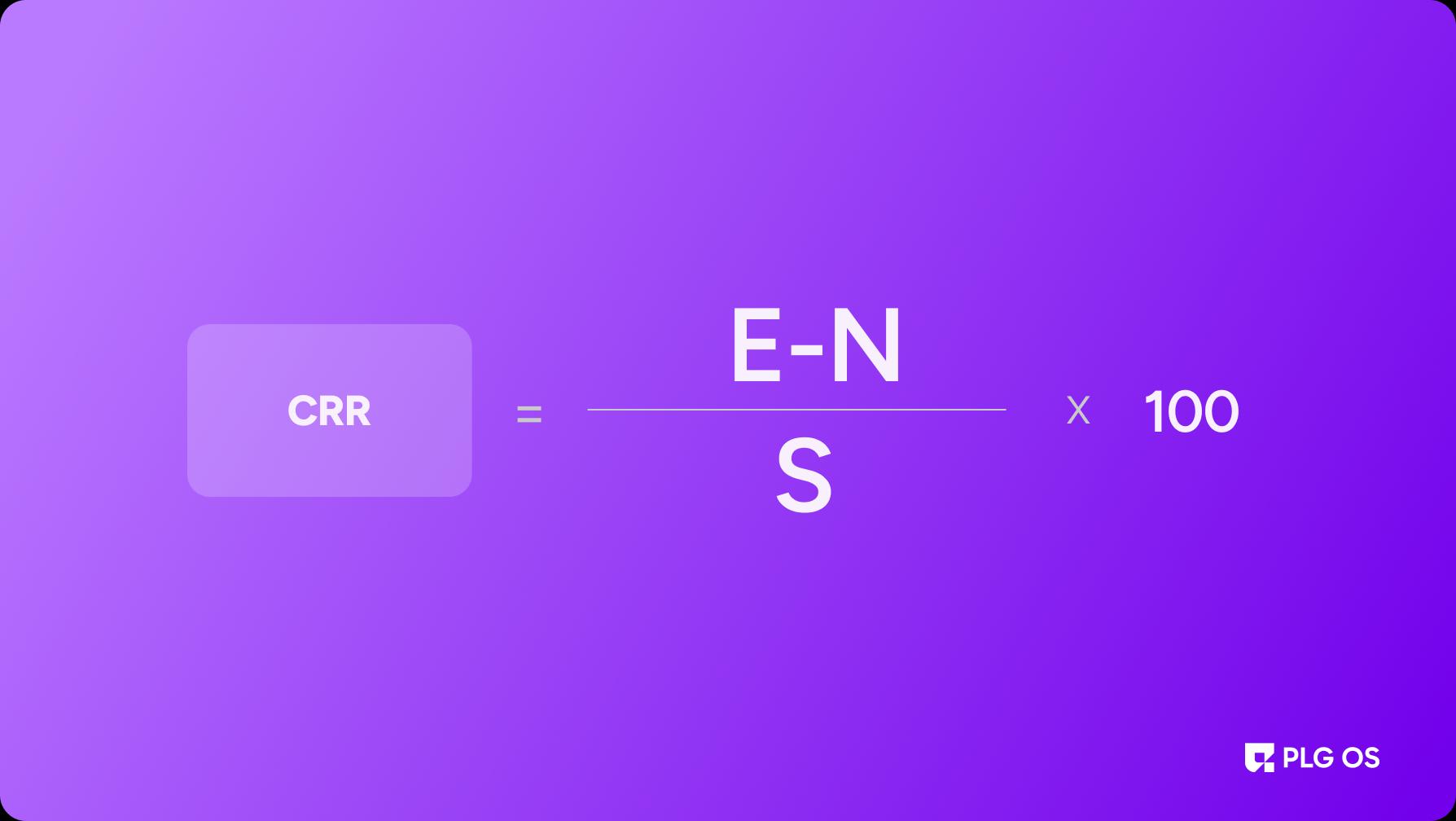
- E = Number of customers at the end of the period
- N = Number of new customers acquired during the period
- S = Number of customers at the start of the period
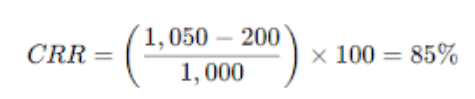
Let’s say your SaaS company had:
- 1,000 customers at the startof the month
- 200 new signupsduring the month
- 1,050 customers at the end of the month
2. Churn Rate
What it measures: The percentage of customers who cancel their subscription within a given period.
A high churn rate is a red flag, signaling customer dissatisfaction or market fit issues.
Formula:
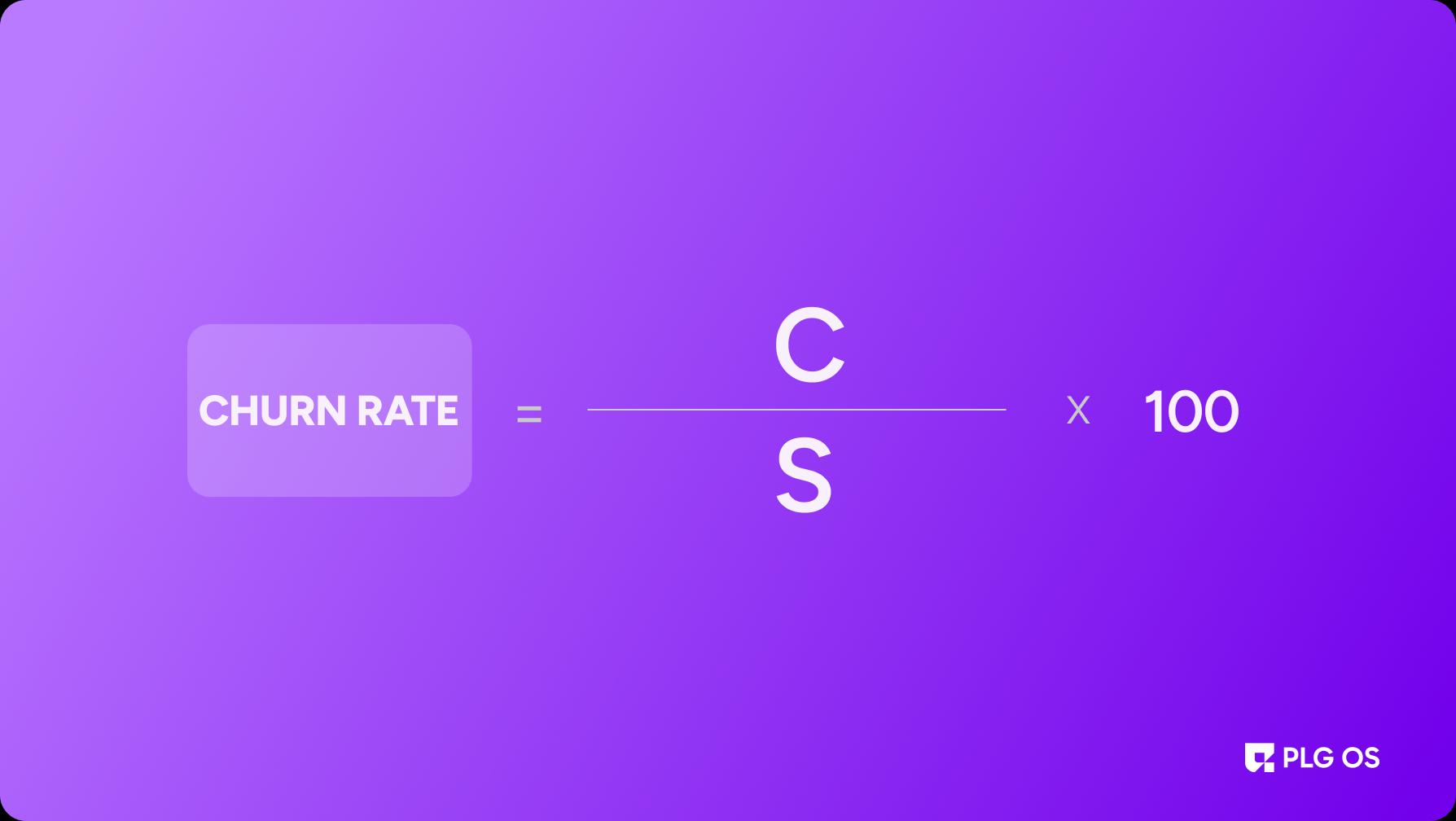
- C = Number of customers lost during the period
- S = Number of customers at the start of the period
- You started the month with1,000 customers
- By the end of the month,50 customers canceled

3. Revenue Churn Rate
What it measures: The percentage of lost revenue due to customer churn. Sometimes, losing one high-paying customer is worse than losing multiple lower-paying ones. This metric captures the financial impact of churn.
Formula:
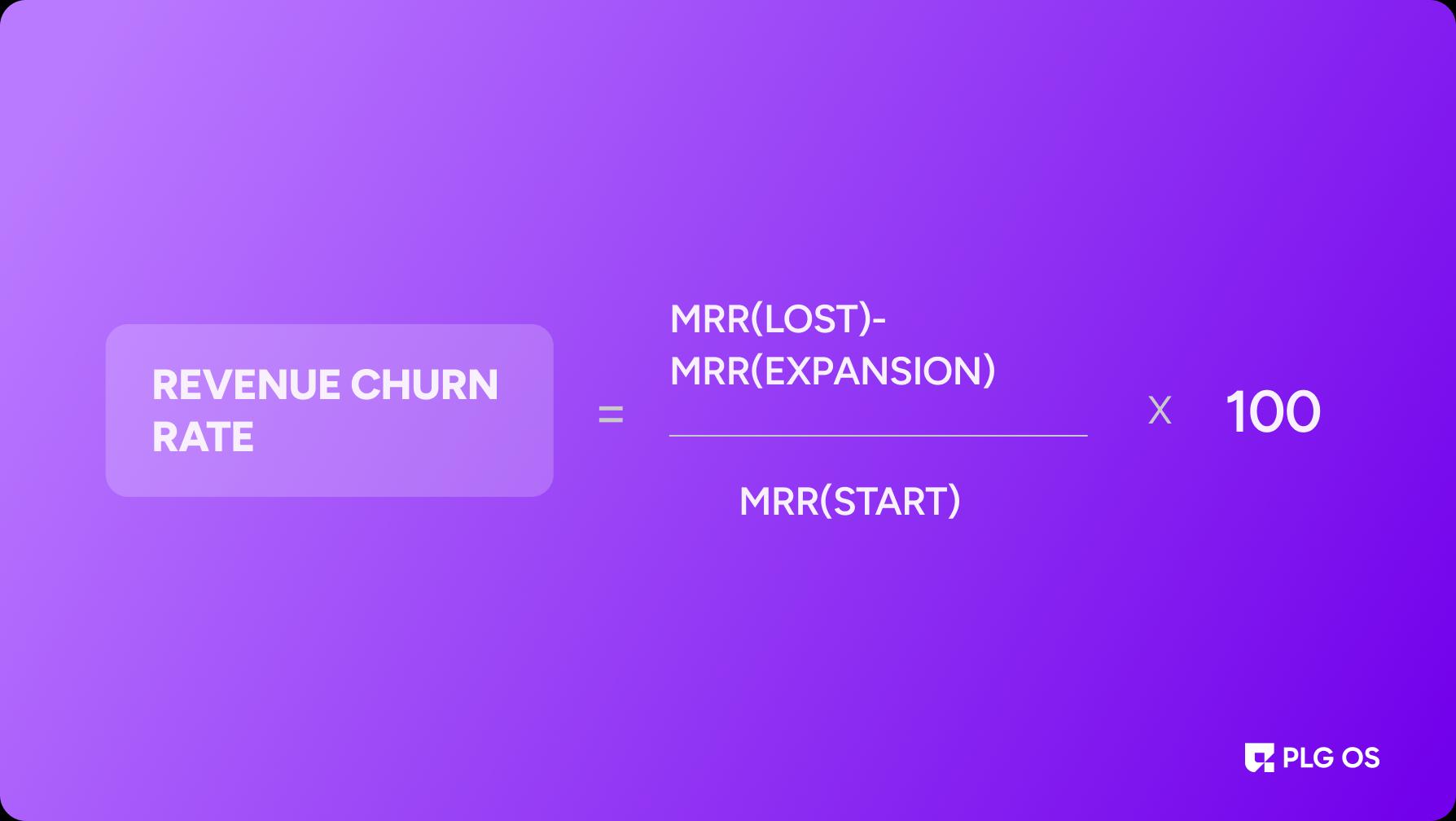
- MRR lost = Monthly recurring revenue lost due to cancellations
- MRR expansion = Revenue gained from upsells or cross-sells
- MRR start = MRR at the beginning of the period
- You started with$100,000 MRR
- Lost customers accounted for$10,000 in lost MRR
- Upsells added$2,000 in MRR

4. Customer Lifetime Value (CLV or LTV)
What it measures: The total revenue you can expect from acustomer over their lifetime with your company.
Formula:
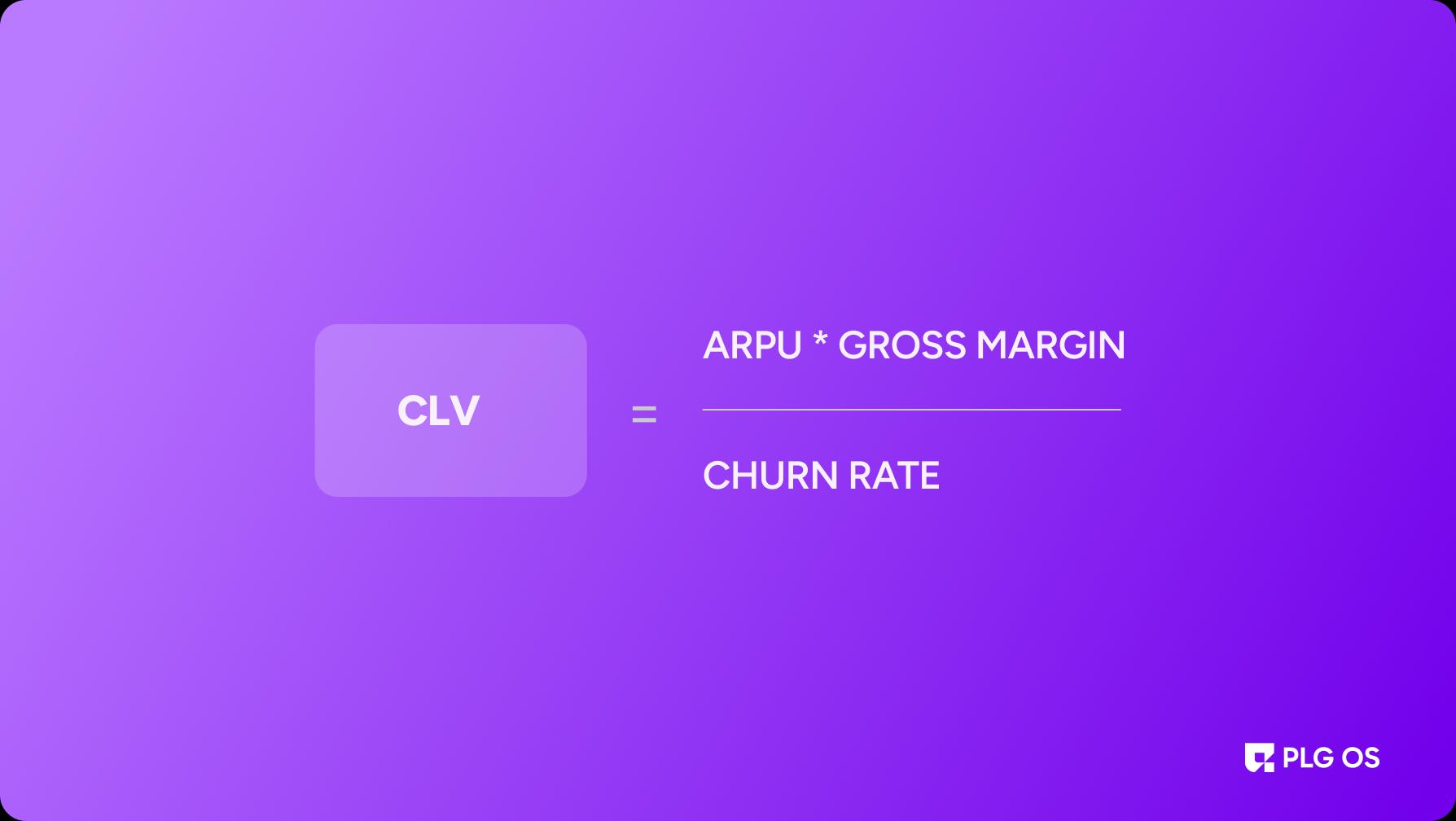
- ARPU = Average revenue per user
- Gross Margin = Profitability after subtracting costs
- Churn Rate = Customer churn rate
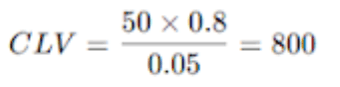
- ARPU =$50 per month
- Gross margin =80%
- Churn rate =5%
5. Net Revenue Retention (NRR)
What it measures: The percentage of revenue retained from existing customers, including upsells, downgrades, and churn.
Formula:
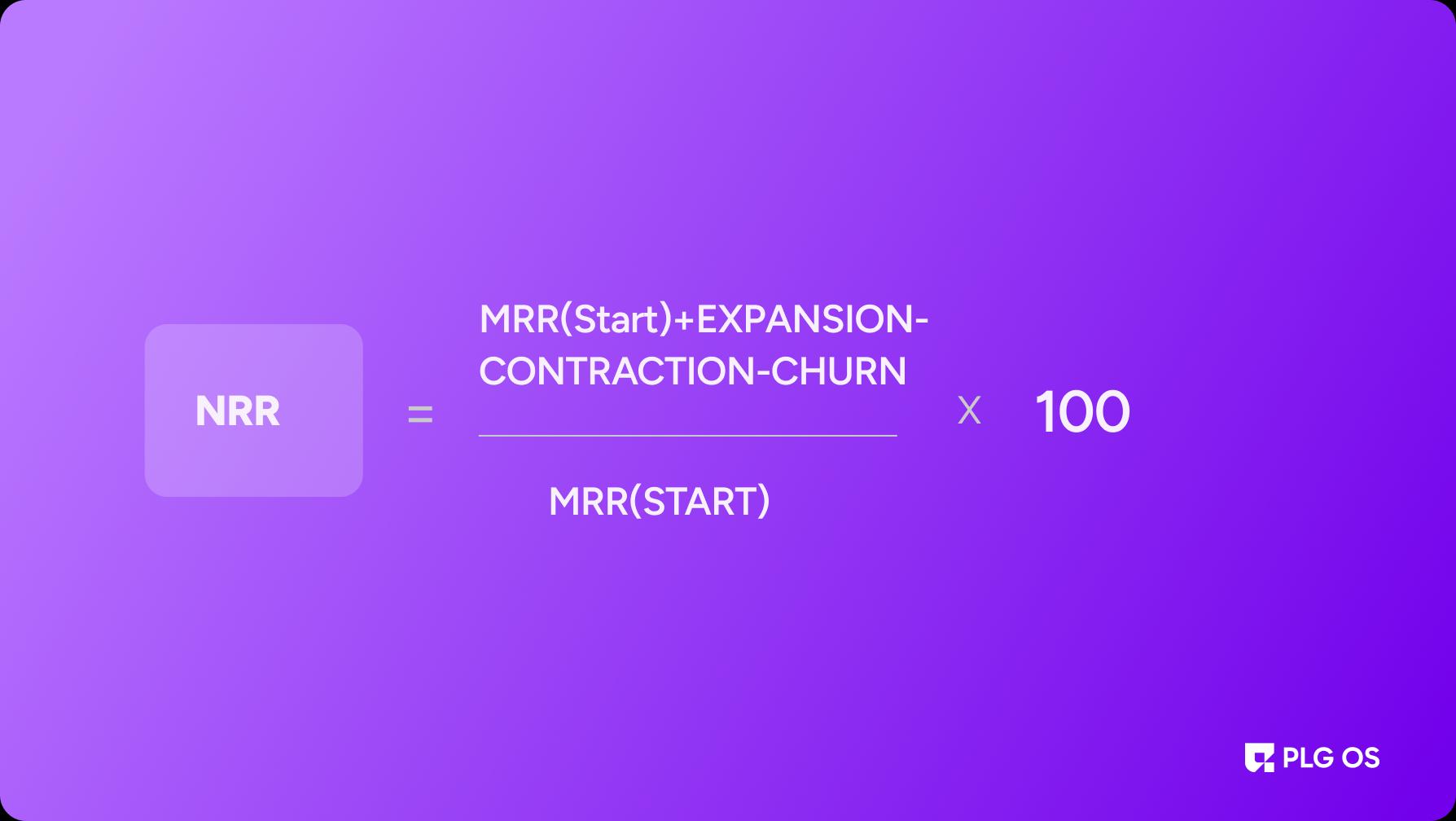
- Expansion = Upsells and cross-sells
- Contraction = Downgrades
- Churn = Canceled subscriptions
- MRR at start: $100,000
- Upsells: $5,000
- Downgrades: $2,000
- Churn: $3,000

6. Time to Payback (CAC Payback Period)
What it measures: How long it takes to recover customer acquisition costs (CAC) through revenue.
Formula:
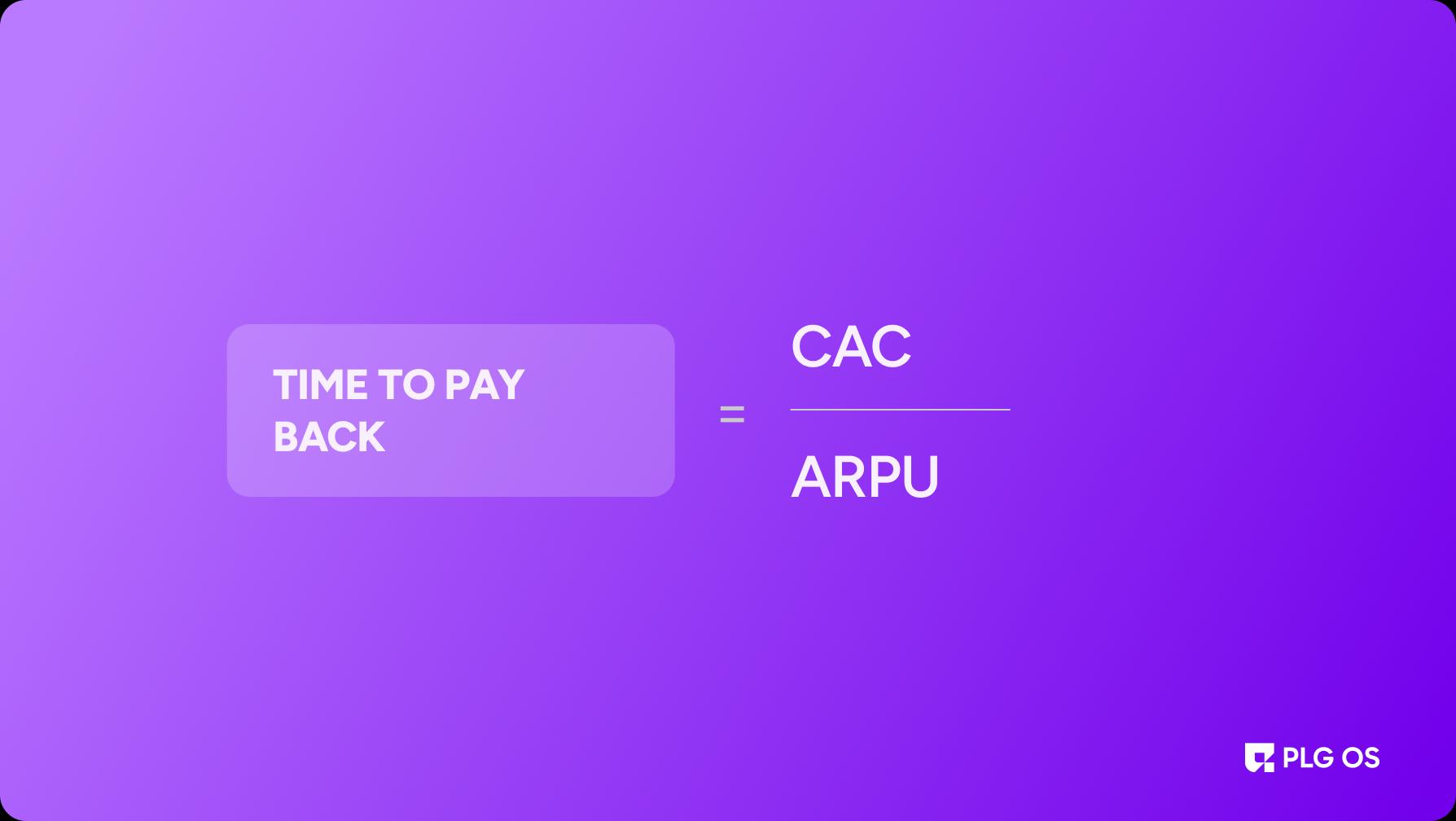
- CAC = Customer acquisition cost
- ARPU = Average revenue per user per month
- CAC = $500
- ARPU = $50 per month

Customer Retention Examples in SaaS
1. Netflix: Personalized Recommendations & Seamless Experience
Netflix excels at customer retention by offering personalized recommendations based on viewing history. Their seamless streaming experience, intuitive UI, and continuous content updates keep users engaged. Even when competitors enter the market, their strong user experience ensures high retention.
2. Slack: High Stickiness Through Workflow Integration
Slack retains customers by integrating deeply into workplace communication. Features like channels, automation, and third-party app integrations make it indispensable for teams. Once embedded into daily workflows, businesses find it difficult to switch to competitors.
3. Dropbox: Referral Program & Collaboration Features
Dropbox initially boosted retention by offering free extra storagethrough referrals. Now, its collaboration features (like Dropbox Paper) keep users engaged, ensuring businesses continue using it for team projects.
4. HubSpot: Freemium Model & Educational Content
HubSpot's freemium model attracts users, and its extensive educational resources such as blogs, webinars, and certifications enable them to optimize their value. This approach builds trust and encourages long-term product adoption.
5. 5. Zoom: Simplicity & Freemium Upsell Strategy
Zoom’s easy-to-use interface and reliable video conferencing keep users engaged. Their freemium model encourages businesses to start small and scale up as needs grow, driving long-term retention.
Conclusion
Customer retention isn’t just a metric, it’s the heartbeat of your SaaS business. Tracking the right metrics, retention rate, churn, CLV, and NRR helps you spot red flags early and turn customers into loyal advocates. But numbers alone won’t save you. Proactive support, seamless onboarding, and personalized engagement will. Keep refining your strategy; soon, retention will fuel your growth effortlessly. Now, what’s your biggest retention challenge? Book a call and let us hear it out.
FAQs
1. What is a good customer retention rate for SaaS?
A retention rate of 85% or higher is considered strong. Top-performing SaaS companies often have retention rates above 90%, especially in B2B markets.
2. How do I reduce customer churn?
Focus on better onboarding, proactive support, personalized engagement, and continuous product improvements to keep users satisfied and engaged.
3. What’s the difference between customer churn and revenue churn?
Customer churn tracks lost users, while revenue churn measures lost revenue from cancellations and downgrades.
4. How is LTV different from NRR?
LTV predicts total revenue per customer, while NRR tracks revenue retention and expansion over time.
5. What’s the best way to improve net revenue retention (NRR)?
Encourage upsells, cross-sells, and renewals while minimizing downgrades and churn.