Top 7 Help Hub Software for Your SaaS Application in 2025
Competing in the SaaS market in 2025 is not all about features. It’s competing on experience. And nowhere is that experience more tested than when your users need help. The solution? A help hub that surpasses a mere FAQ page is the solution. We’re talking about fully integrated, scalable, and intelligent SaaS help center platforms that empower your users to solve problems on their own, without ever submitting a support ticket.
Welcome to the world of SaaS self-service support tools and the top help center platforms you need to know if you're serious about product-led growth. Let’s check out the top 7 help hub software tools revolutionizing SaaS customer support in 2025.
What is SaaS Help Hub Software?
SaaS help hub software is a centralized, in-app support system that empowers users to find answers, tutorials, and troubleshooting resources without contacting support. It combines knowledge bases, interactive guides, and contextual help to offer seamless, self-service assistance. Unlike traditional support, it integrates directly within the product to deliver real-time, relevant information based on user actions.
This improves user experience, reduces ticket volume, and boosts customer satisfaction. According to Zendesk, 69% of customers prefer to solve issues on their own before reaching out to a support agent, making help hub software a must-have for any modern, user-focused SaaS product.
Why Your SaaS Needs Help Hub Software
A help hub isn’t a nice-to-have. It’s your frontline of customer success. Companies with effective self-service support see a 20–30% reduction in support ticket volume.
Here’s what a great customer support hub SaaS tool should do:
- Answer questions before users even ask them.
- Integrate seamlessly inside your app—contextual, dynamic, and helpful.
- Improve onboarding, retention, and NPS scores—automatically.
- Reduce your support load so your team can focus on complex, high-impact problems.
But most SaaS companies fall into the trap of building static, isolated knowledge bases that live outside the product.
Your users don’t want to hunt for help. They want answers right when and where they need them. So, how do you build a truly embedded, scalable, and intelligent help center experience? Start by picking the best knowledge base tools of 2025.
Top 7 Tools for Adding a Help Hub Software
1. PLG OSs
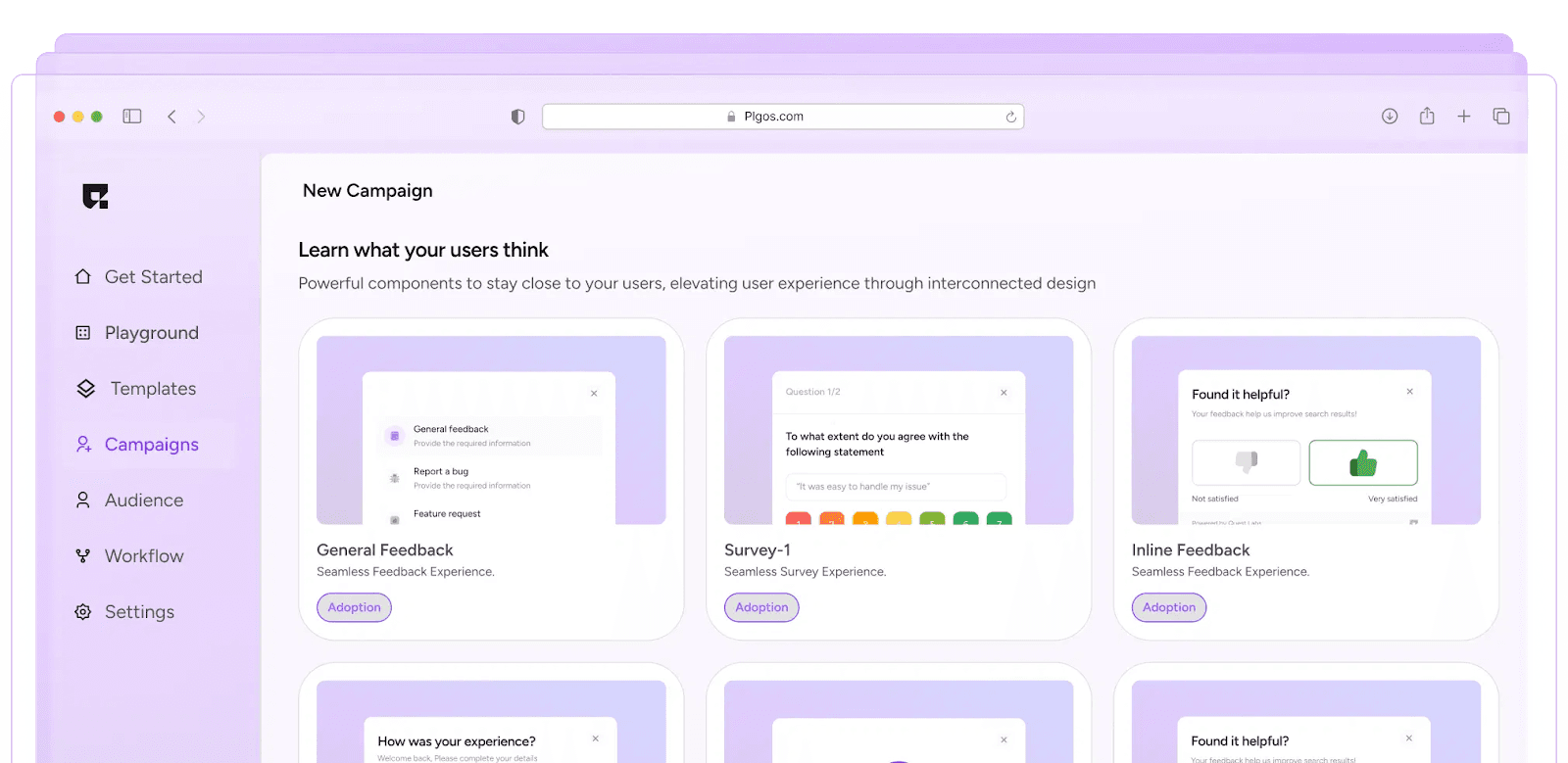
Let’s start with a game-changer. Most blogs won’t even mention PLG OS but that’s a mistake.
If your product is your primary go-to-market motion, you need PLG OS.
Why PLG OS is Different:
PLG OS isn’t just a knowledge base tool. It’s a full-stack product-led growth operating system that integrates learning, support, and documentation inside your product.
Think of it as the ultimate in-product help layer, combining the functions of help hubs, tooltips, onboarding flows, feature announcements, and AI-powered support—all in one seamless platform.
Standout Features:
- Dynamic Help Widgets: Context-aware support that appears when and where needed.
- In-App Tutorials & Knowledge Blocks: Use modular guides to teach features step-by-step.
- AI-Driven Content Suggestions: Reduce ticket volume by predicting user needs.
- Feedback Loop: Real-time analytics show which help content drives activation and retention.
PLG OS blurs the lines between support, onboarding, and product education.
If you’re building a SaaS help center platform in 2025, and you don’t look into PLG OS, you’re flying blind.
2. HelpDocs
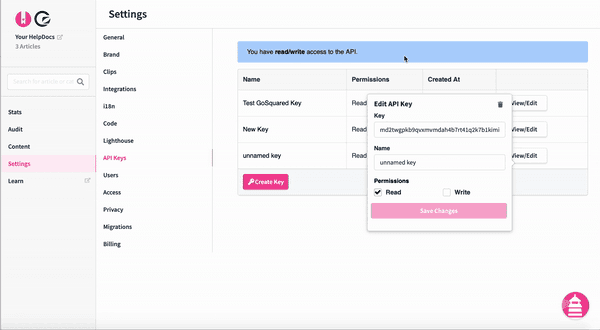
HelpDocs nails one core truth: users want fast answers in a clean UI.
It’s sleek, fast, and loved by startups who want a branded, easy-to-maintain knowledge base tool without a steep learning curve.
Key Benefits:
- Lightning-fast search with instant article previews.
- Built-in analytics for measuring article effectiveness.
- Version history and change logs for collaborative editing.
- Easy integrations with chat tools like Intercom or Drift.
HelpDocs is ideal if you want a help hub software experience that feels native and polished—especially for smaller or mid-sized teams.
3. Document360
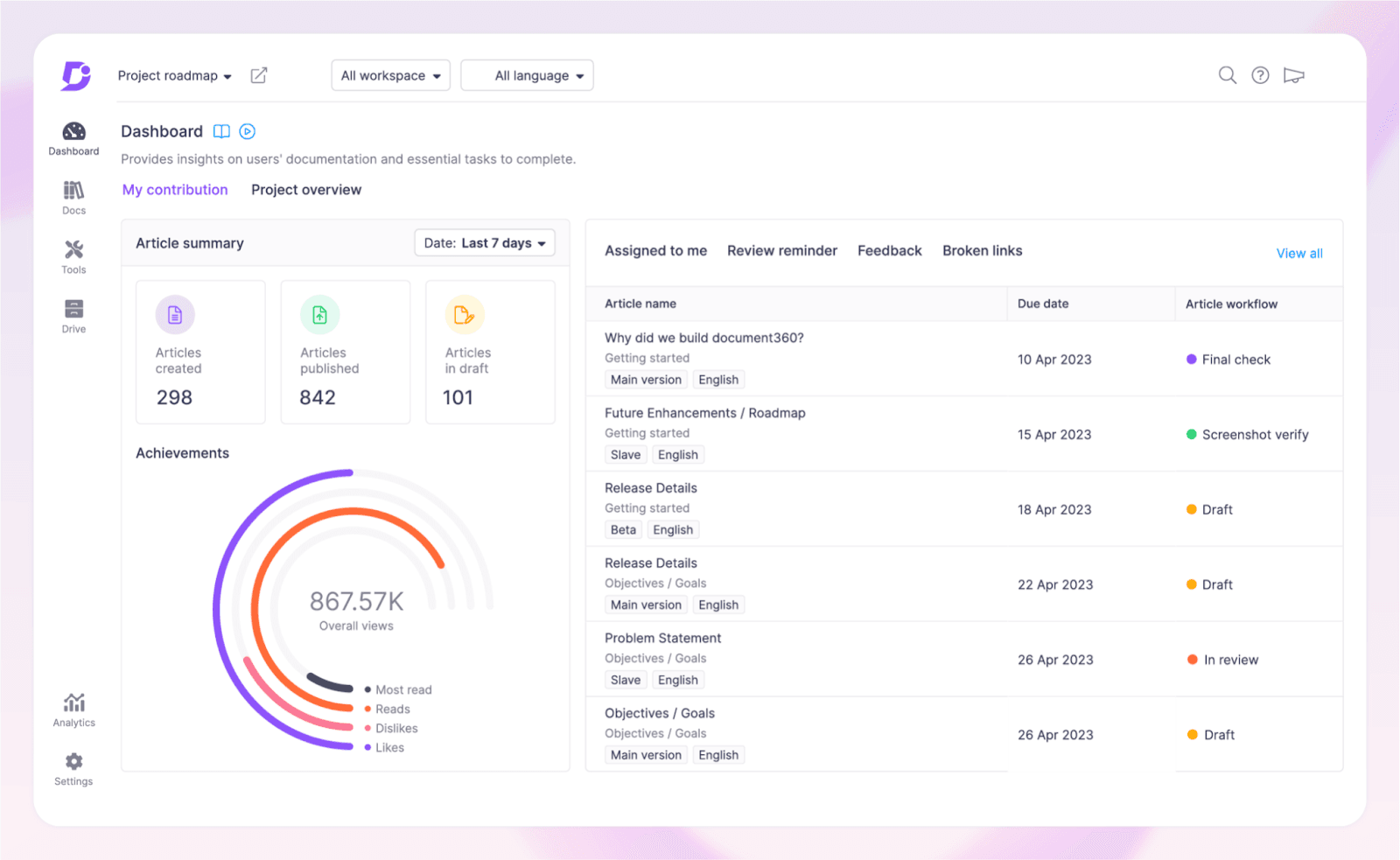
If your SaaS platform serves enterprise clients or developers, Document360 is worth your attention.
It offers robust capabilities for both internal and external knowledge management.
What Makes It Special:
- Markdown + WYSIWYG editing (perfect for technical and non-technical teams).
- AI-powered search that learns from user behavior.
- Private knowledge bases for internal team use.
- Strong role-based access control.
Document360 turns your knowledge base into a smart documentation ecosystem, suitable for APIs, DevOps workflows, and customer-facing FAQs alike.
4. Zendesk
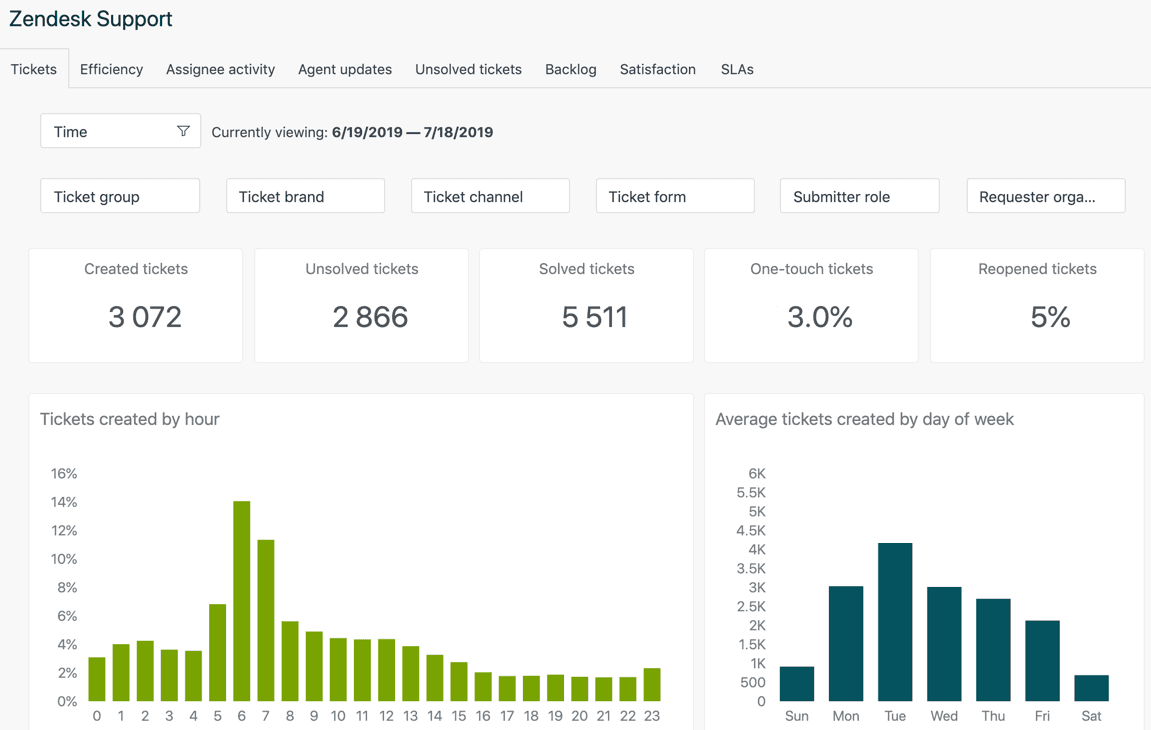
You probably know Zendesk. But you might be underestimating how powerful its Guide product has become.
For teams already using Zendesk for tickets and chat, Guide adds a layer of searchable, connected knowledge right on top.
Ideal Use Case:
- Mid to large SaaS businesses with complex support teams.
- Companies needing full CRM, ticketing, and help hub integration.
- Brands that want multichannel support in a single dashboard.
Pros:
- Excellent search functionality.
- AI answer bots for self-service support.
- Seamless escalation from help article to live agent.
Zendesk Guide isn’t the sleekest or most modern UI, but it’s feature-rich and proven.
5. Intercom
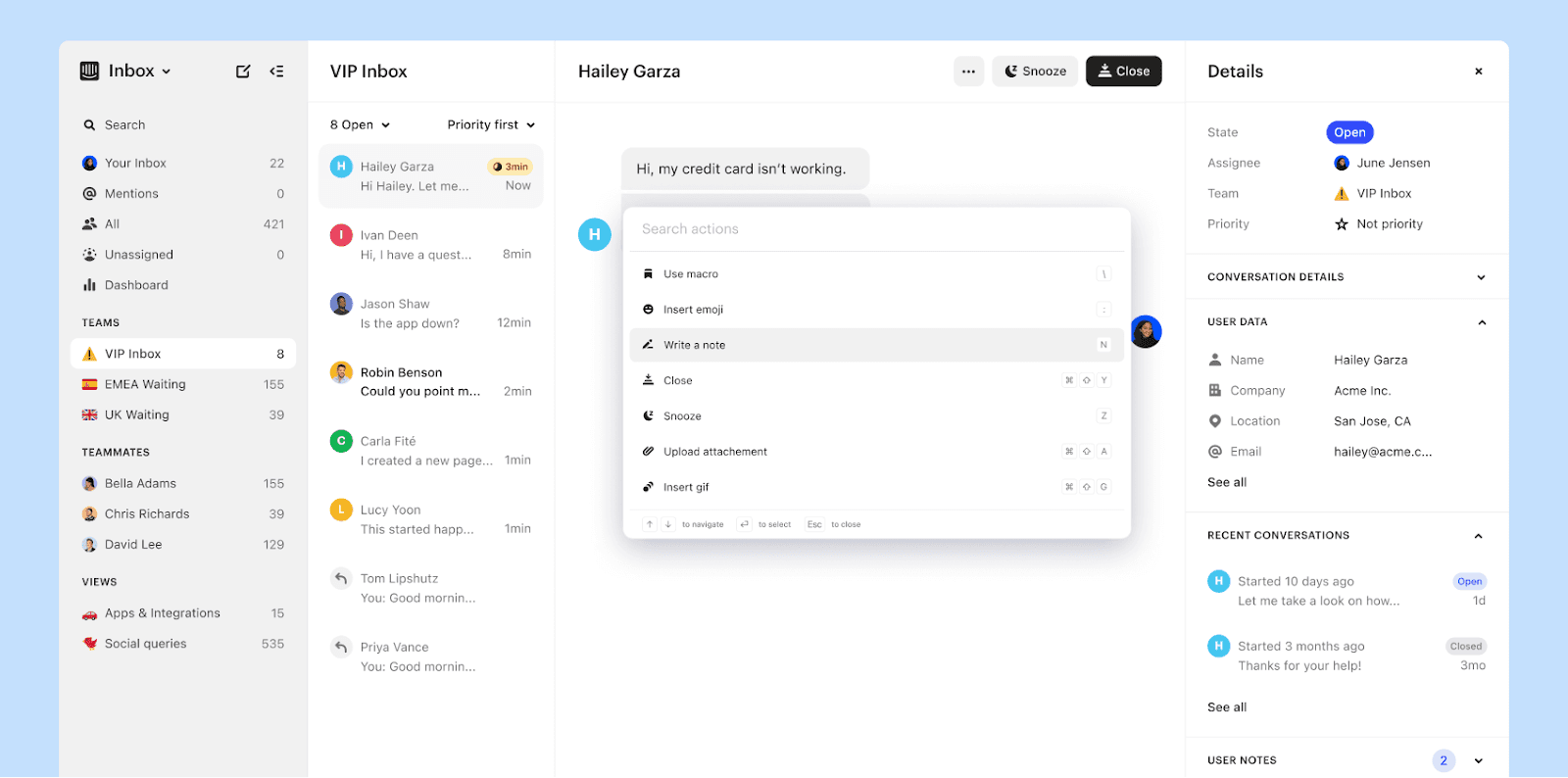
Intercom made its name as a messaging tool, but its Articles feature is one of the best-kept secrets in SaaS self‑service support.
Why? Because of its native integration into Intercom chat.
What That Means:
- Users start a chat. AI suggests help articles before they hit send.
- You can embed helpful articles into onboarding flows.
- Reps can share article links directly in conversations with one click.
You’ll love Intercom Articles if you’re already on Intercom and want to add a context-aware help hub without adding another vendor.
6. Stonly
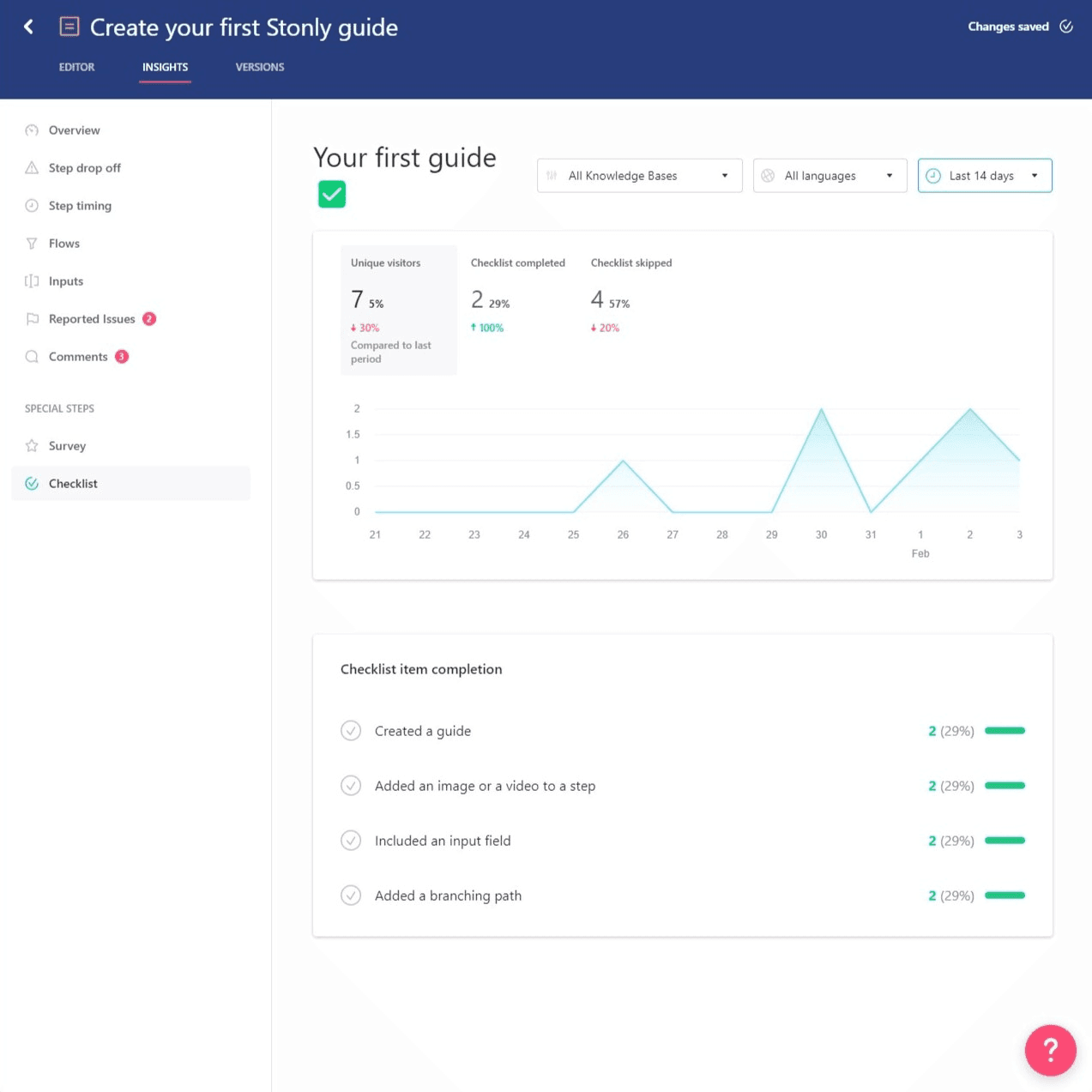
Stonly brings something different to the table: interactive guides.
Instead of static articles, users go through decision-tree flows that adapt based on their answers. Think of it as a “choose your own adventure” for product help.
Why It Works:
- Great for reducing repetitive tickets (“Did you try restarting the app?”).
- Clean UI for creating conditional logic steps.
- Easily embeddable into your product or support widgets
Stonly isn’t your traditional help hub software, but it’s one of the most engaging platforms if you want to turn support into a conversation.
7. Notion
Website: notion.so
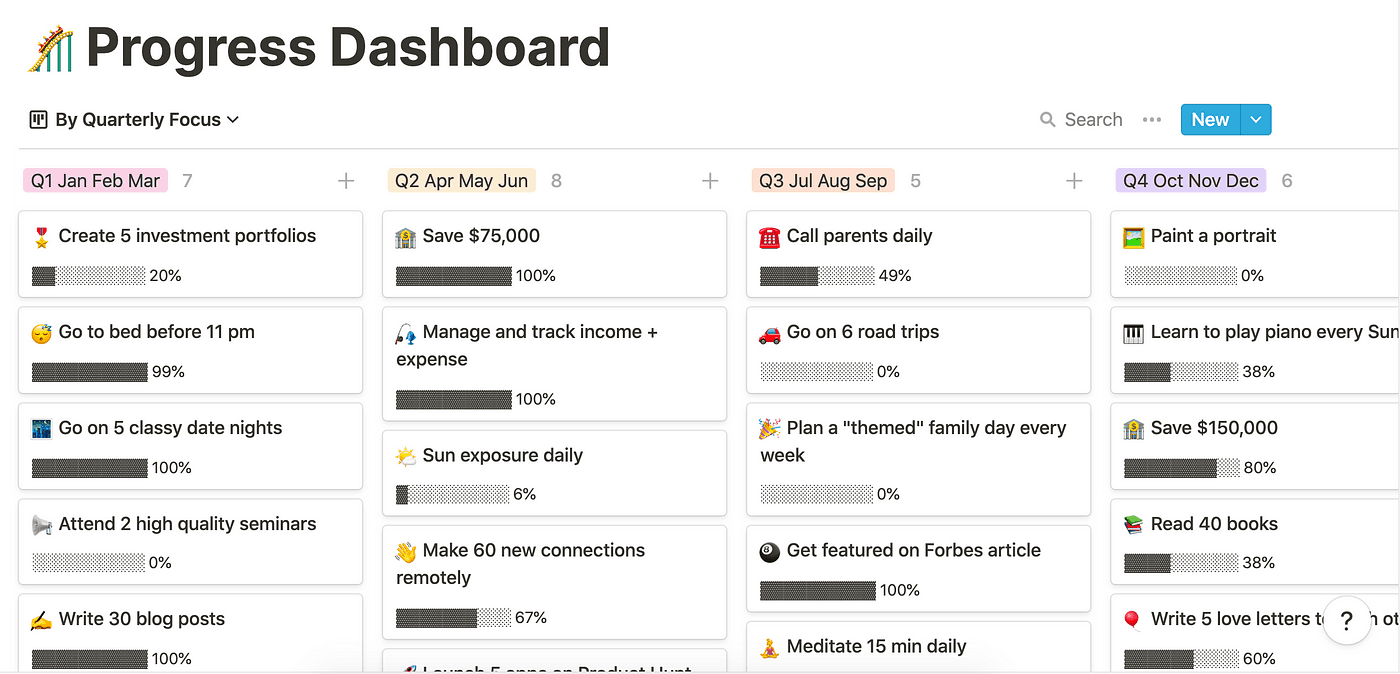
Here’s the curveball: Notion isn't a traditional help center platform—but more teams are using it as one.
Why?
- It’s beautiful, fast, and incredibly easy to update.
- Public pages look clean and professional.
- You can use databases and tags to create structured, discoverable knowledge hubs.
Limitations:
- Not built for advanced analytics or ticket deflection.
- No native chat or AI support features.
Still, if you’re an early-stage startup that wants to launch a simple, elegant help center tomorrow, Notion is a surprisingly effective tool.
| Tool | Best For | Unique Advantage |
|---|---|---|
| PLG OS | Product-led SaaS teams | In-product dynamic help & AI support |
| HelpDocs | Simple, elegant, searchable support | Clean UI, fast setup |
| Document360 | Developer-heavy or enterprise SaaS | Robust editing, internal/external KB |
| Zendesk Guide | Large support teams with existing Zendesk | End-to-end support ecosystem |
| Intercom Articles | Intercom users needing fast support | Chat + articles = smarter self-service |
| Stonly | Interactive, flow-based support | Decision trees & user-driven guides |
| Notion | Early-stage teams wanting fast documentation | Elegant, easy to publish |
Building Your SaaS Help Center Strategy: 4 Key Tips
Choosing a tool is half the battle. 81% of customers say a positive self-service experience increases their likelihood of doing business with a company again. Here’s how to make it stick.
1. Embed Help Inside Your Product
Your users should never have to leave your app to find help. Use tools with widget-based help like PLG OS or Intercom.
2. Map Support to User Journey
Onboarding, feature discovery, and troubleshooting all need different content. Customize your help flows based on where your users are.
3. Measure Content Performance
Track which articles reduce tickets, increase time-on-feature, or improve retention. Every help article should prove its worth.
4. Make Your Help Hub Evolve With Your Product
Your product changes. Your support content must, too. Use modular platforms that allow quick edits, versioning, and updates.
Final Thoughts: The Help Hub Is the New Home Page
In the world of SaaS, where your product is the business, support isn't just a back office function. It's product design. It's growth strategy. It's brand experience.
The tools we’ve shared here—from powerful systems like PLG OS to smart integrations like Stonly and HelpDocs are not just helping users. They’re changing the way companies grow. In 2025, your SaaS help center platform isn't just about solving problems. It's about preventing them, predicting them, and building long-term product love.
The question is no longer whether you need a help hub. It’s how smart you’re willing to make it.
FAQs
1. What is a SaaS Help Hub?
A SaaS Help Hub is an in-app support system that provides users with quick access to tutorials, FAQs, and troubleshooting guides.
2. How is it different from a traditional knowledge base?
Unlike static knowledge bases, help hubs are interactive, contextual, and embedded directly within the SaaS product.
3. Why should I use a help hub in my SaaS app?
It improves user experience, reduces support tickets, and boosts product adoption through self-service.
4. Can help hubs integrate with other tools?
Yes, many help hubs integrate with chat tools, CRMs, and analytics platforms.
5. Is it suitable for early-stage startups?
Absolutely. Many tools offer scalable plans and easy setups ideal for startups.